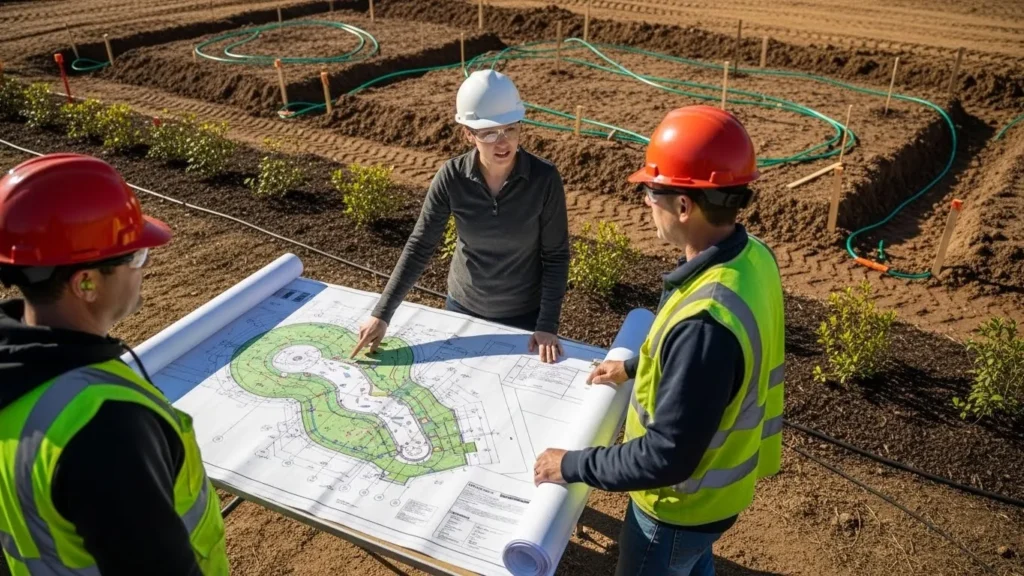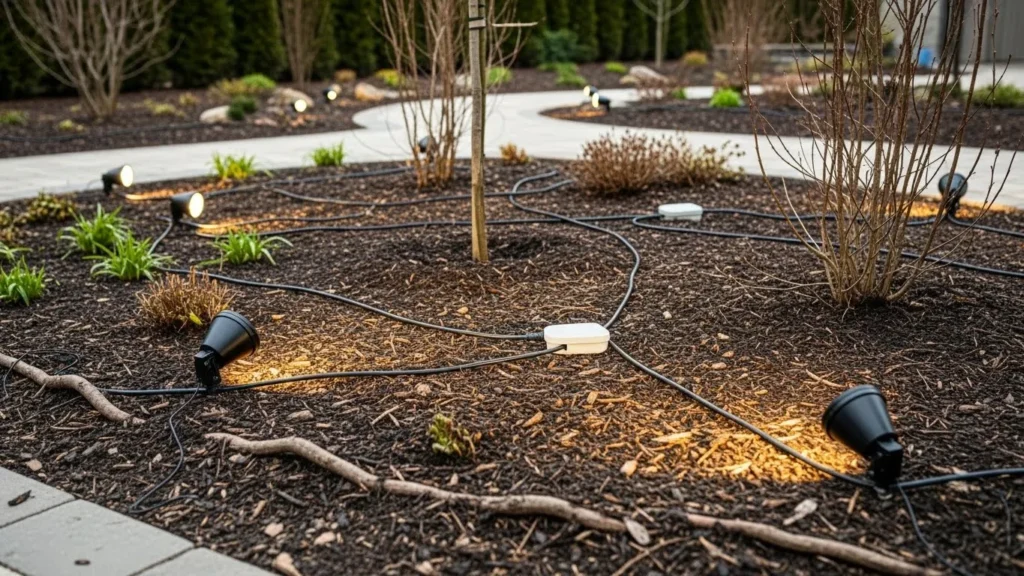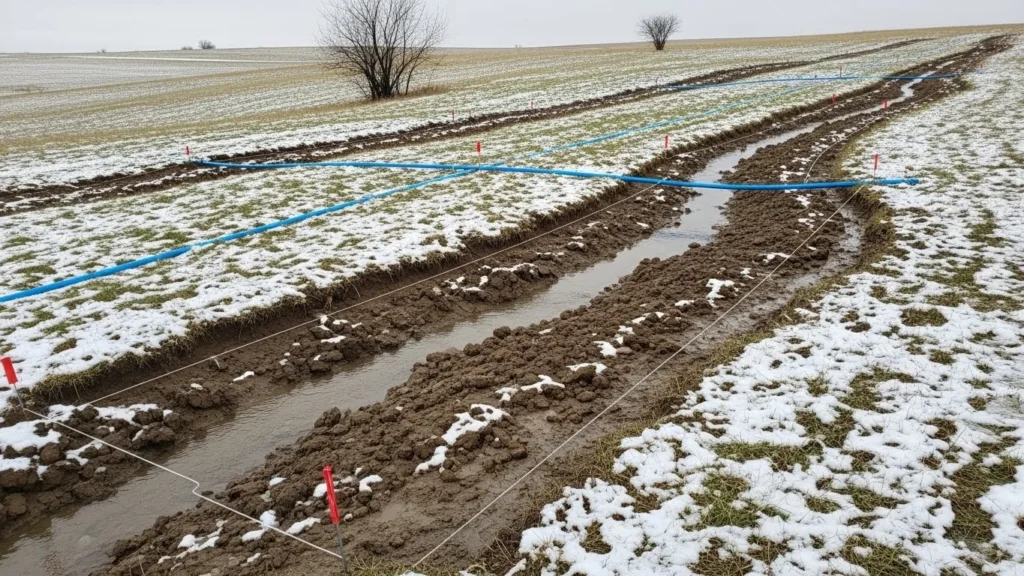
Irrigation systems are often treated as a final step. In reality, they should be planned early—well before summer heat puts landscapes under stress.
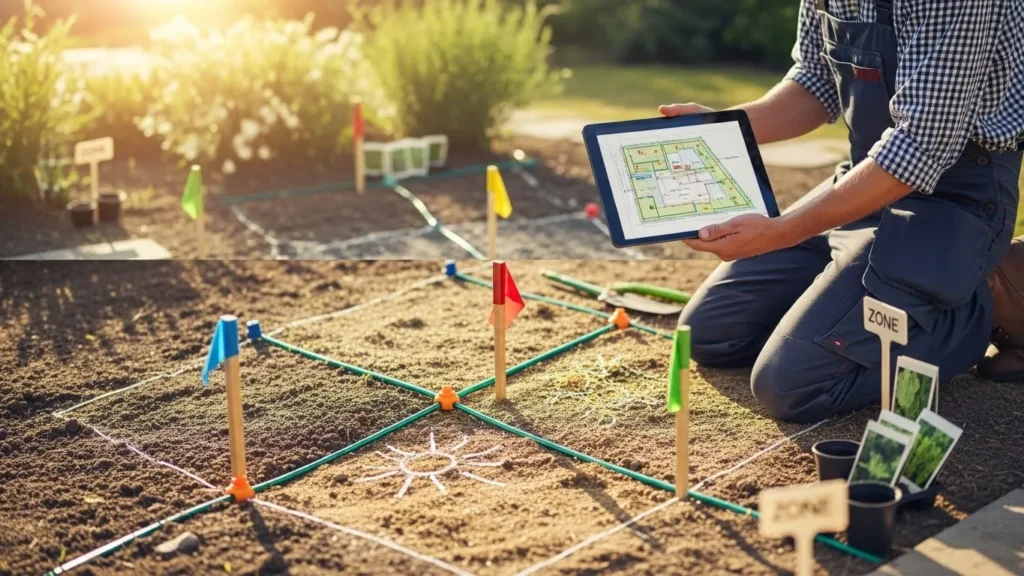
Proper irrigation design depends on layout, plant grouping, soil conditions, and sun exposure. When these factors are addressed early, water can be delivered efficiently and consistently. When they’re ignored, irrigation systems are forced to compensate for design flaws, leading to wasted water and uneven performance.
Table of Contents
ToggleEarly Planning Supports Water Efficiency
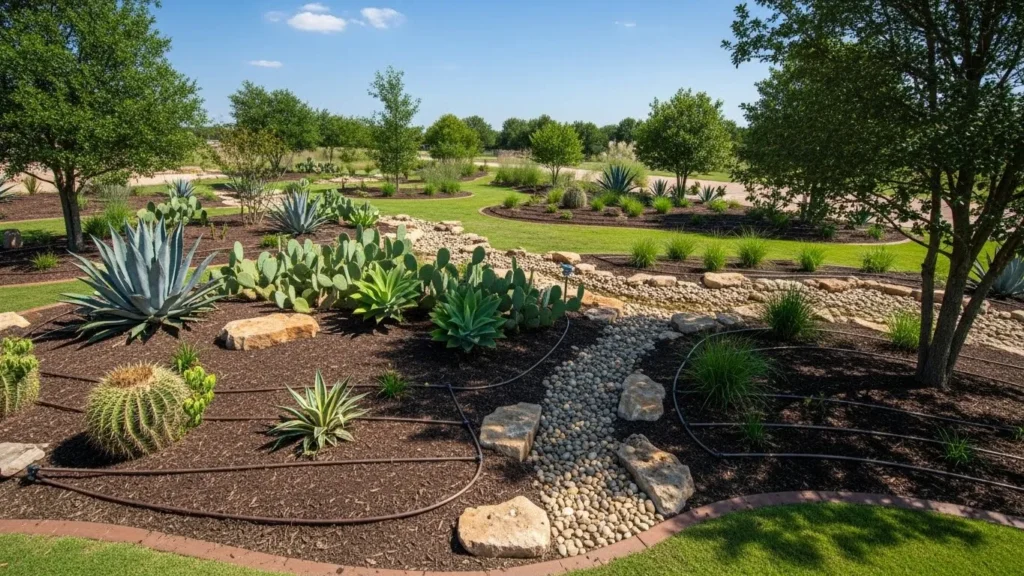
Early irrigation planning also supports water efficiency. Grouping plants with similar water needs allows systems to operate in balanced zones instead of overwatering some areas to keep others alive. This becomes critical during peak summer heat when demand increases and inefficiencies are amplified.
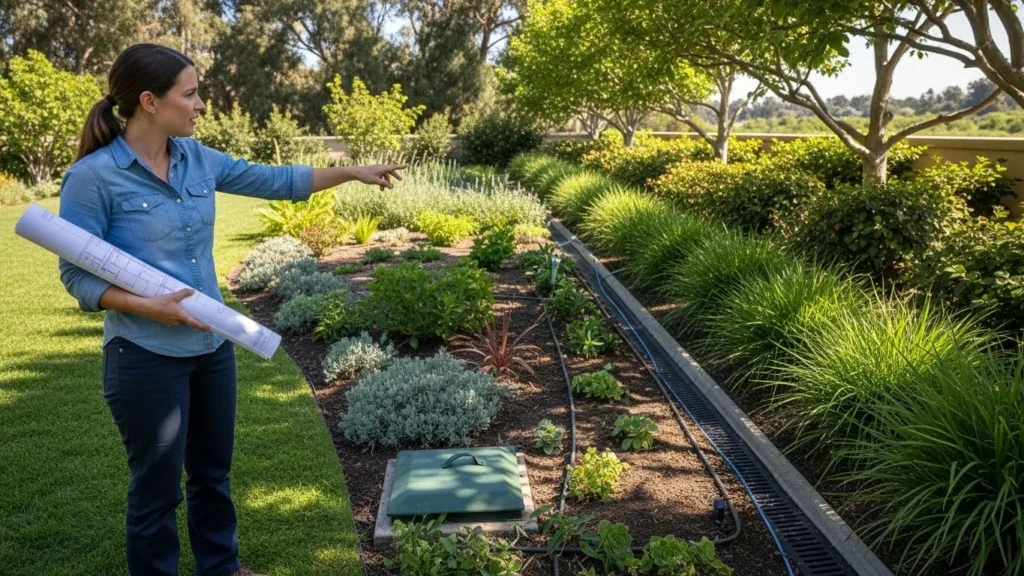
Integration With Drainage Systems
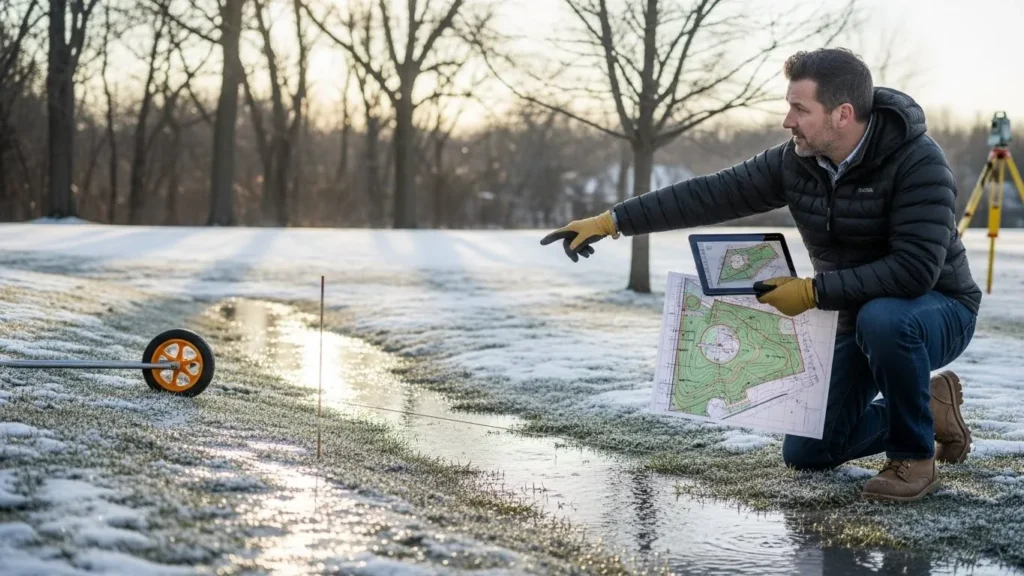
Another advantage of early design is integration. Drainage and irrigation should work together, not compete. When water movement is managed properly, irrigation systems perform better and require fewer adjustments over time.
Landscapes that struggle in summer rarely suffer from a lack of water—they suffer from poor planning. Designing irrigation early shifts the focus from constant correction to consistent performance.
Internal Links
External Reference
EPA WaterSense – Irrigation Efficiency and Smart Water Use
FAQ Block
Q: When should irrigation systems be designed?
A: Irrigation design should happen during the planning phase, months before installation and before summer heat arrives.
Q: Can irrigation fix poor landscape design?
A: No. Irrigation works best when it supports a well-designed layout rather than compensating for design issues.