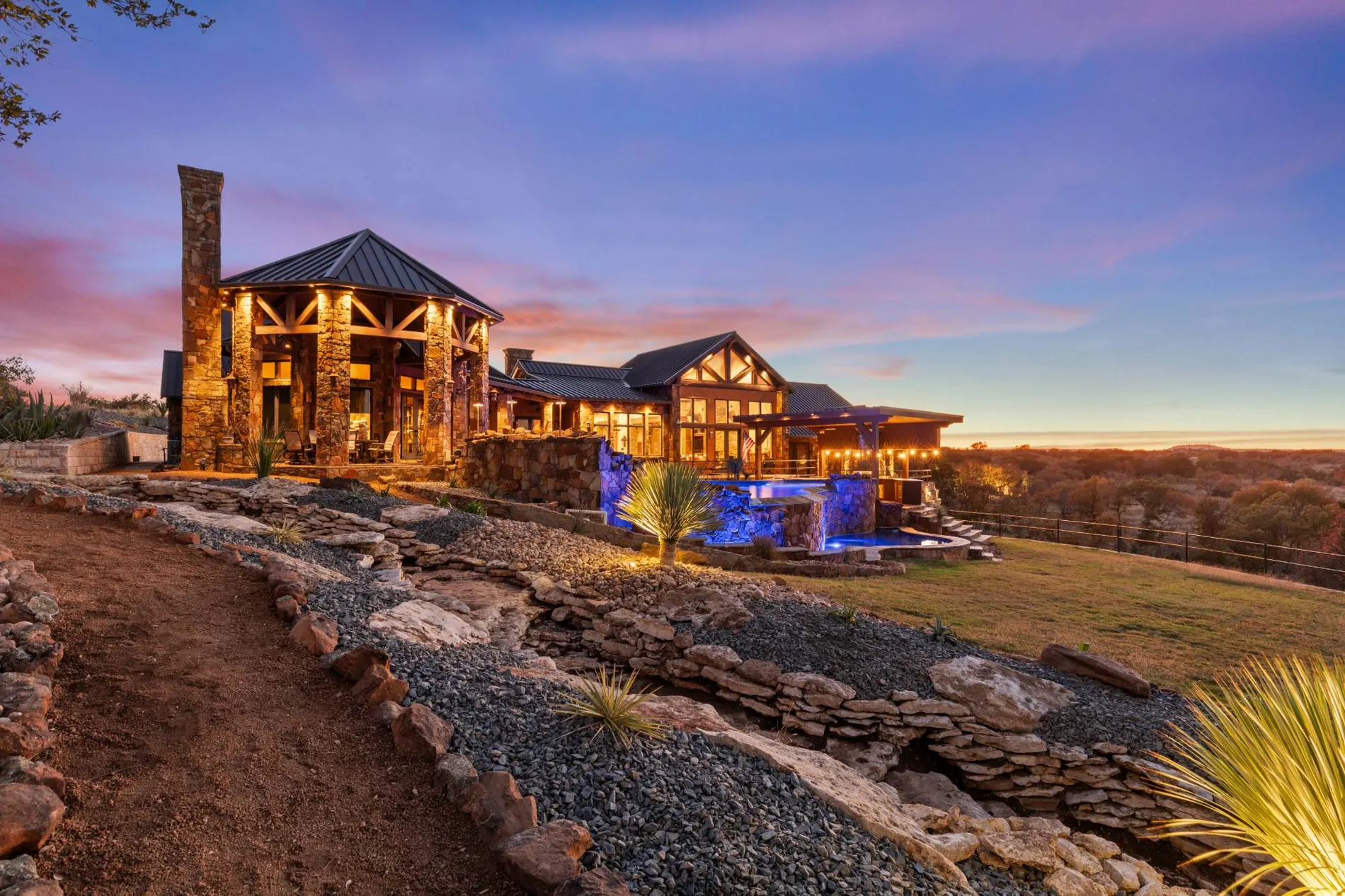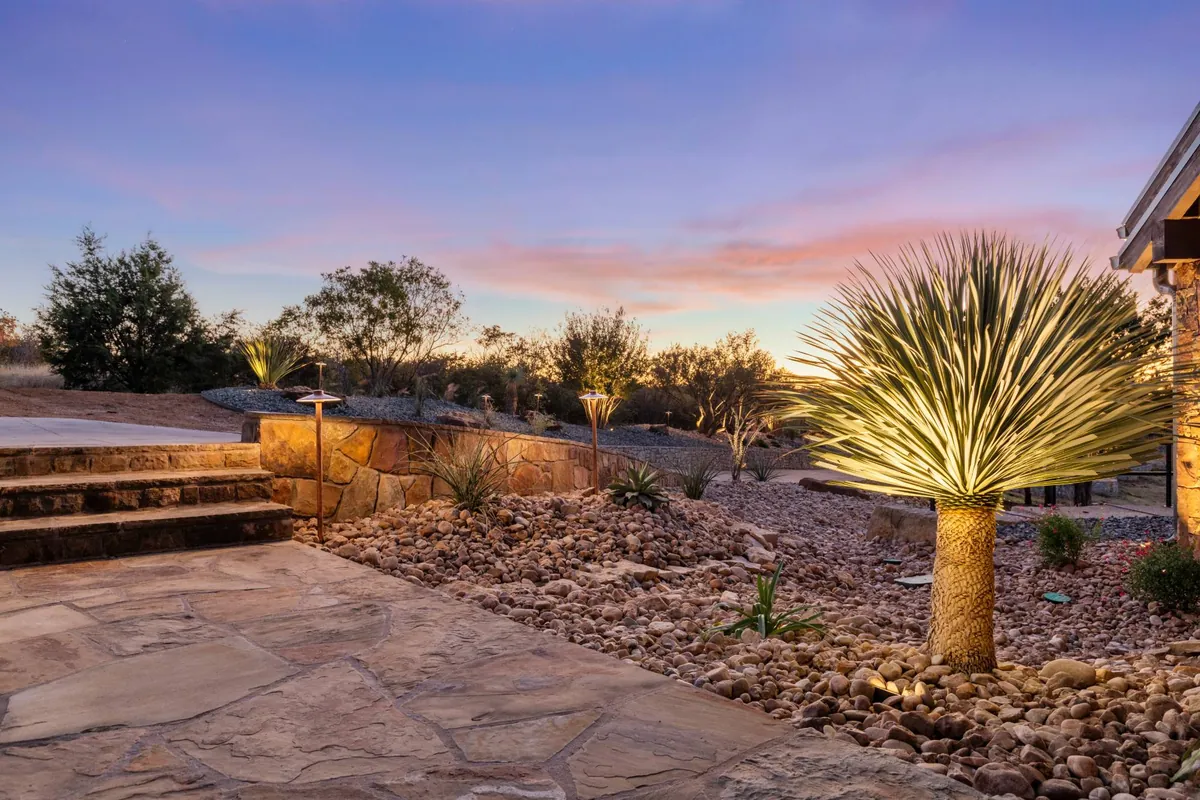
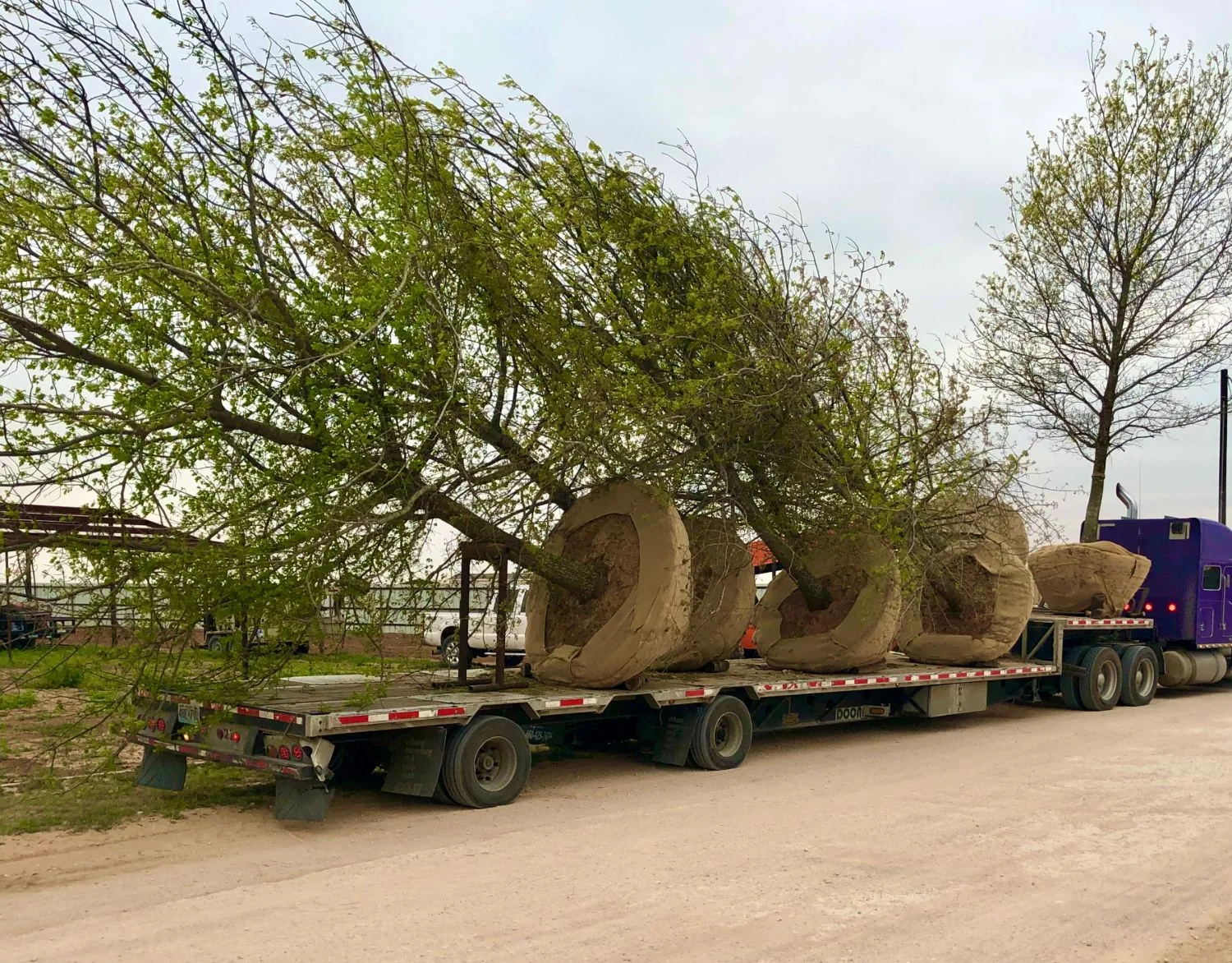
Shade trees, specimen trees and ornamentals — whips through crane-set mature stock — held at Brazos Native Nursery, our own yard in Graford. Walk the rows and it reads like a tree farm; what you tag is the tree that arrives.
Tag your own
Walk the rows, mark the tree, and that specific tree goes in your ground. Not a caliper and a species off a broker’s list.
Every size, whips to mature specimens
A whip is a young, single-stem tree — no branch structure yet, a few years off the graft. They cost less, transplant with almost no shock, and close the gap on a boxed tree faster than most people expect once the roots are down. We stock them alongside container-grown specimens at every size up through the large, crane-set trees a finished entrance needs on day one.
Which size is right is a budget call as much as a design one, and we will say so plainly: a screen of whips that fills in over three summers costs a fraction of the same screen bought mature. On a property with time to let it grow in, that is usually the better spend.
Already acclimated
Our stock has spent a season in this soil and this heat. A tree trucked in from the coast in July is surviving two shocks at once, and often does not.
Trees in stock, and why these
Oak trees carry most of the list, for the same reason they carry most North Texas shade: live oak and red oak both take alkaline soil, real heat, and a dry August without staking. Past the oaks it broadens fast — cedar elm, Chinese pistache, magnolia, cherry laurel, Chitalpa, desert willow, Italian cypress and palm trees — plus ornamental and evergreen varieties that move with the season, so call the yard for what is on the ground this week.
Live oak
Evergreen and alkaline-tolerant — the specimen shade tree behind most of the ranch entrances we build.
Red oak
The best fall colour available here, held for entrances where the site can give it proper drainage.
Cedar elm
A native that takes clay and caliche without staking — the structural tree on the tougher sites.
Chinese pistache
Fall colour off a tree that reads as an oak all summer; built for heat and poor soil.
Magnolia
Broadleaf evergreen scale and shade for a formal entrance or courtyard.
Cherry laurel
Dense, fast evergreen screening for a property line that needs privacy now.
Chitalpa
Months of bloom through the worst of a Texas summer, no supplemental water once established.
Desert willow
A native flowering tree built for heat, at home on a dry, exposed site.
Italian cypress
Tall, narrow evergreen columns for a formal drive or a screened sightline.
Palm trees
A statement piece for a lake or ranch property, planted where the design wants drama.
A note on red oaks
Texas red oak gives the best autumn colour available here, and it is fussier about drainage than the others. On heavy clay it wants a raised bed or a site that sheds, not a hole in a flat lawn.
Built for the heat: Chitalpa and desert willow
Both are bred for extremes rather than a shaded lawn — months of bloom through the worst of the summer, and neither asks for supplemental water once it is established. The right call where a bed runs hot and dry and still needs a flowering tree in it.
Screening and structure: Italian cypress
A narrow, upright evergreen rather than a spreading shade tree — the tool for a formal drive, a property line, or blocking a sightline without eating the yard around it.
Chinese pistache, magnolia and cherry laurel
Three different jobs: pistache for fall colour off a tree that reads as an oak all summer, magnolia for broadleaf evergreen structure and shade, cherry laurel for a dense, fast screen. All three shade or ornamental rather than the ranch-and-range palette the rest of this site leads with.
Palm trees
Not the species you would expect this far from the coast, which is exactly why it reads as a statement piece on a North Texas street. Ask the yard which selections are holding up through winter here before you design a job around one.
And on oak wilt
Oak wilt is present in this part of Texas and it moves through root grafts and through beetles attracted to fresh wounds. The practical rule is simple and widely ignored: do not prune oaks in the vulnerable spring window, and paint every oak wound immediately whatever the season. If a job needs oak pruning we schedule it for the safe part of the year rather than the convenient part.
Commercial and wholesale
Landscape contractors, builders and property managers buy here at trade pricing — the same yard that holds one homeowner’s specimen also fills a subdivision’s street trees on one ticket. Commercial tree installation runs on the same crew and the same crane capability as everything else on this page, scoped to a site plan and a schedule instead of one tree at a time.
Moving a large specimen
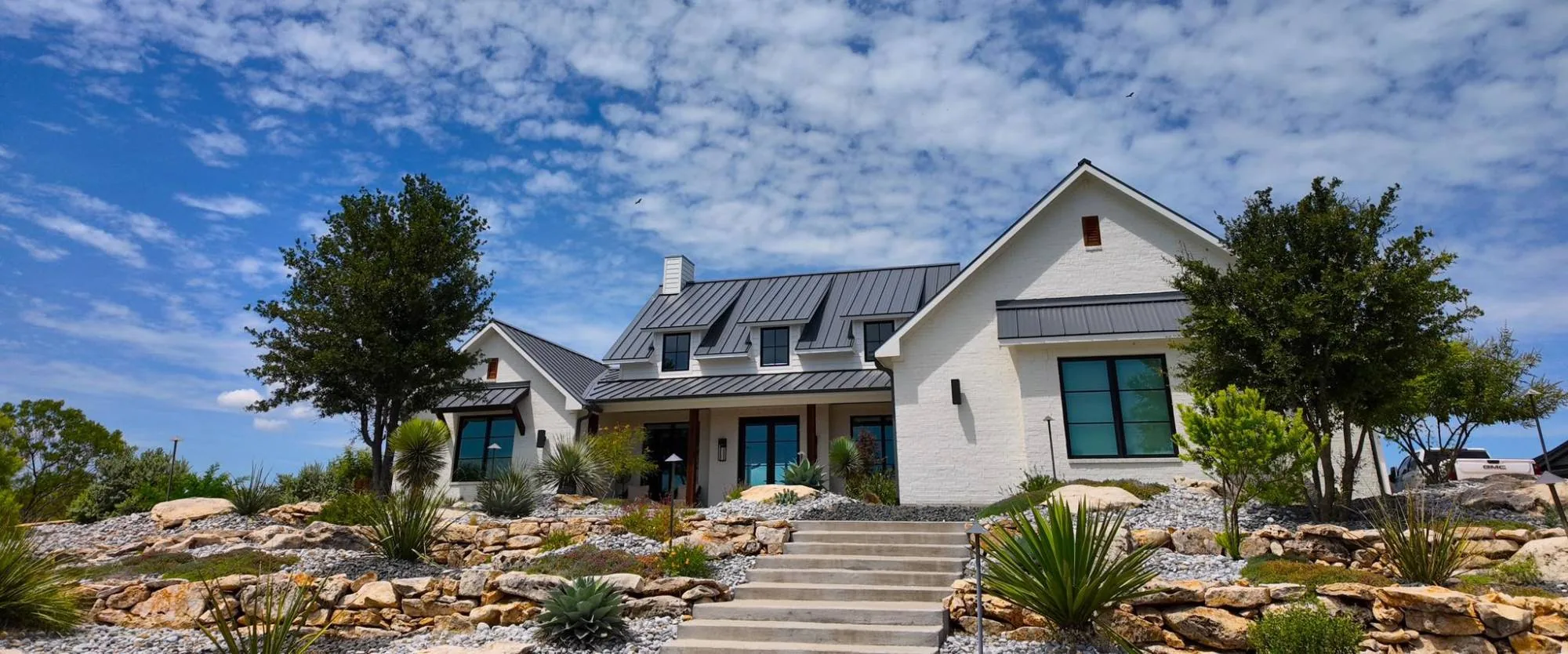
Above a certain size a tree stops being something two people carry. A large container specimen can weigh several tons, and getting it from the yard onto a trailer and into a prepared hole is a crane and a crew who have done it before. That capability is the reason a new ranch entrance can look established the day it is finished rather than in fifteen years.
It also changes what happens underground, and in our favour. A field-dug tree arrives having lost a large share of its root system to the spade, which is why so many big transplants sulk for years. Our specimens are container-grown and have been standing in those containers at the nursery — the root system that leaves the yard is the whole root system. That does not make the first two summers unimportant, and the hole still matters more than the tree, but it removes the single biggest reason a large transplant fails.
Season, and the window that actually matters
Dormant season planting is better here by a wide margin. A tree planted from late autumn through winter spends months growing roots at soil temperatures that still allow it, and meets its first summer with a root system instead of a stump of one. Planted in June it is asked to establish and survive at the same time.
This is also why we are not restricted to the dormant window. Field-dug and balled stock has to go in while the tree is asleep, and no amount of enthusiasm changes that. Container stock can go in year-round if the watering is right — so a job does not have to wait until November because somebody wants a shade tree in it.
Planting is where most trees are lost
Planted too deep is the single most common reason a tree dies three years later. The root flare goes at or slightly above grade, the hole is wide rather than deep, and the backfill is native soil — not amended potting mix that the roots will refuse to leave. We mulch wide and shallow, keep it off the trunk, and stake only when the site genuinely needs it.