Summer exposes every shortcut taken during landscape design.
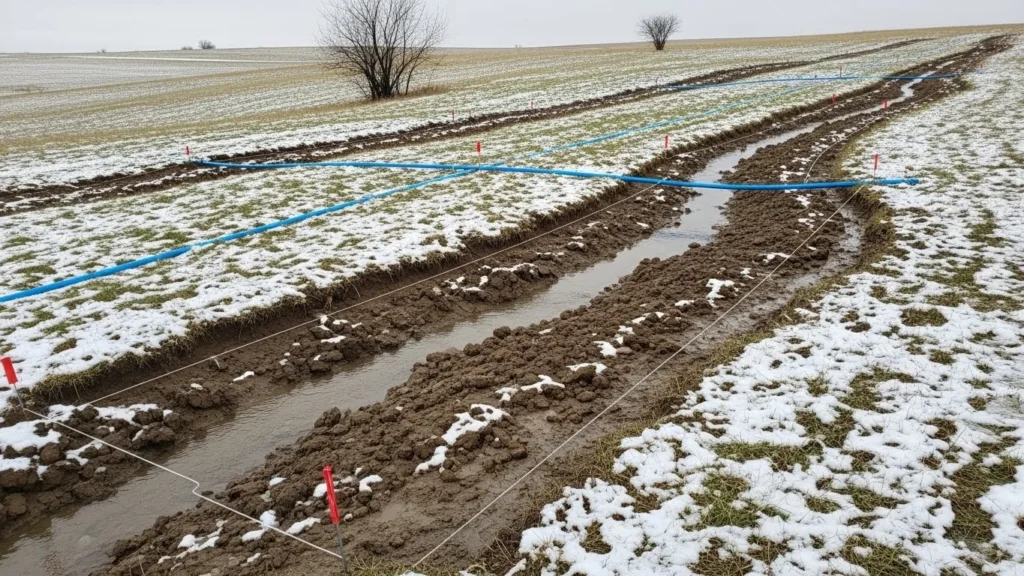
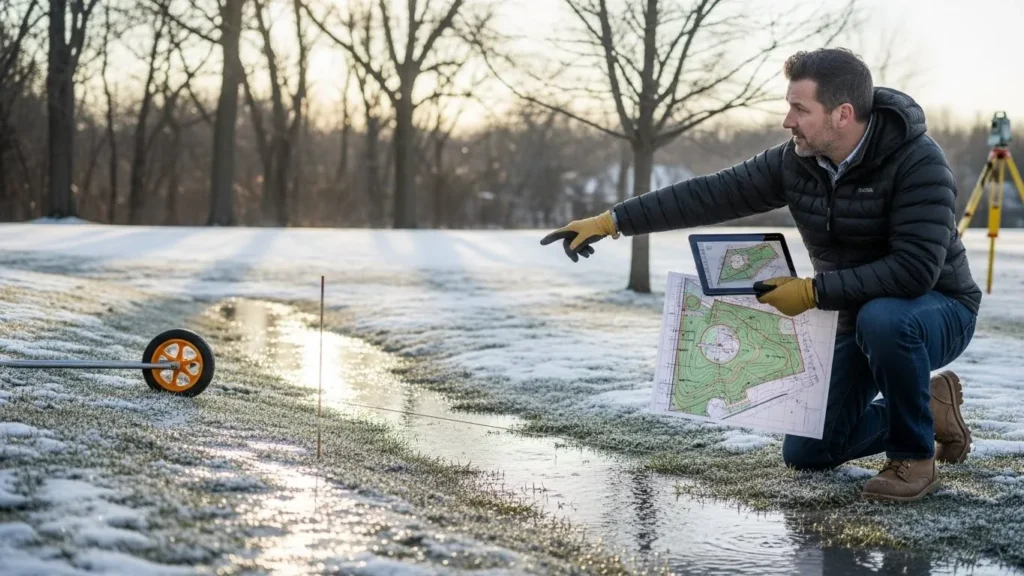
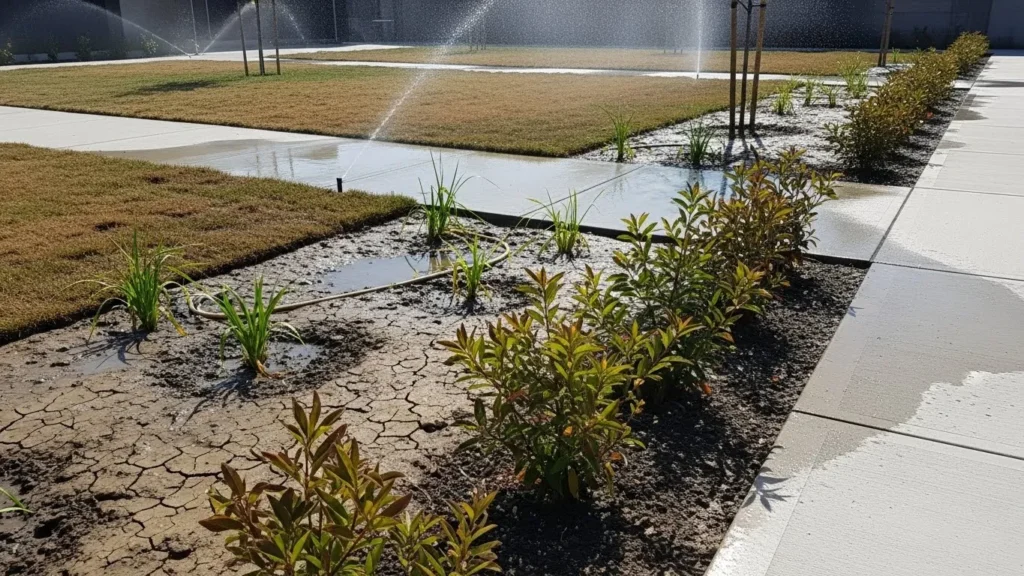
When drainage is overlooked, erosion follows. When irrigation is forced into a layout it wasn’t designed for, plants struggle under heat stress. When plant placement is rushed, water efficiency drops. These failures don’t happen randomly—they start with design decisions made too late.
Table of Contents
ToggleIntegrated Systems Work Better Together
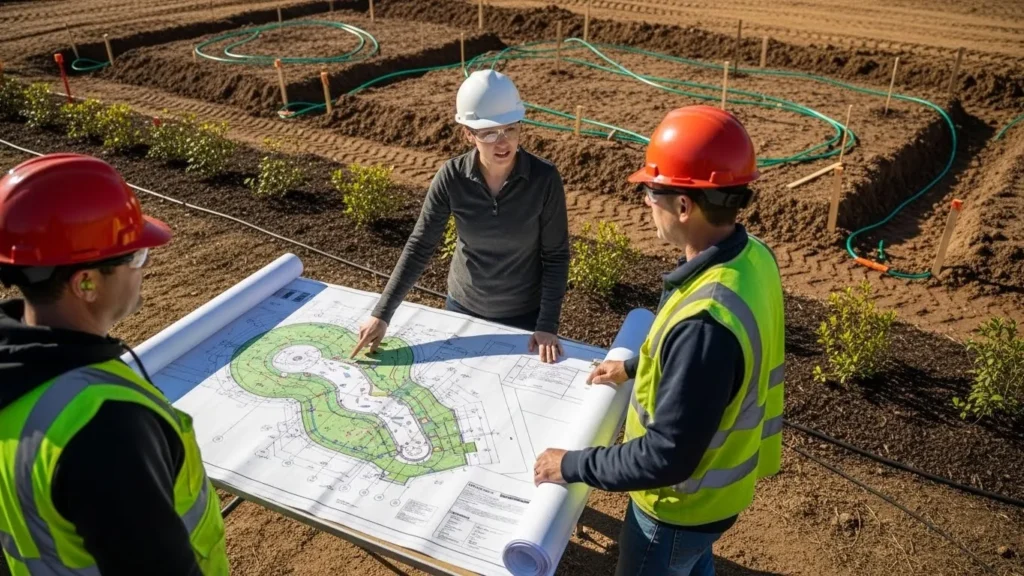
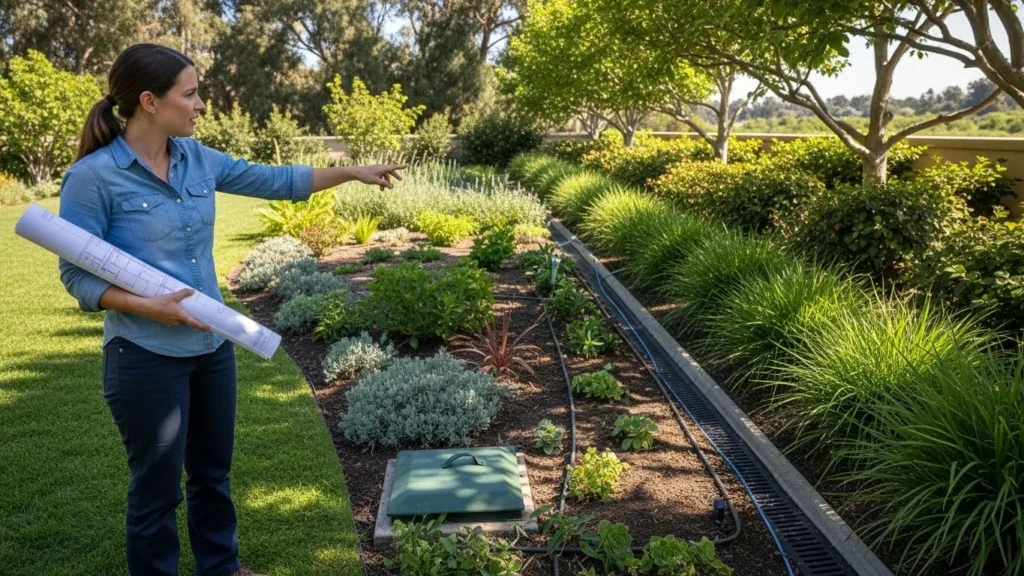
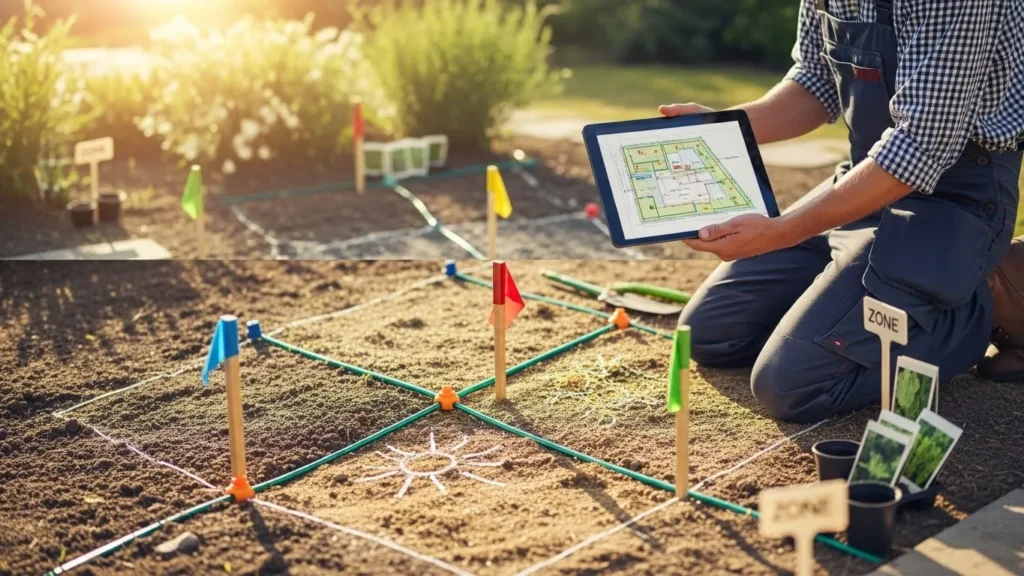
Early landscape design allows every system to work together instead of fighting each other. Layout and structure are established first, followed by irrigation planning that supports plant groupings rather than compensating for poor placement. Drainage strategies are addressed before installation begins, reducing the risk of runoff and long-term damage.
Smarter Water Use Starts With Design
Designing early also creates space for smarter water use. Water-efficient layouts reduce demand during peak summer heat and improve plant longevity. This approach results in landscapes that are easier to maintain and more resilient under stress.
Most summer landscaping problems are preventable. They don’t require more water or more maintenance—they require better planning. Early design shifts the focus from fixing problems to avoiding them altogether.
Internal Links
External Reference
EPA WaterSense – Efficient Landscape Design and Water Use
FAQ Block
Q: Why do many landscapes fail during summer?
A: Most failures stem from rushed design, inefficient irrigation layouts, and overlooked drainage issues.
Q: Can early landscape design really prevent these problems?
A: Yes. Early planning allows systems to be integrated properly, reducing stress and failure during extreme heat.