Extreme summer conditions don’t create landscape problems—they reveal them.
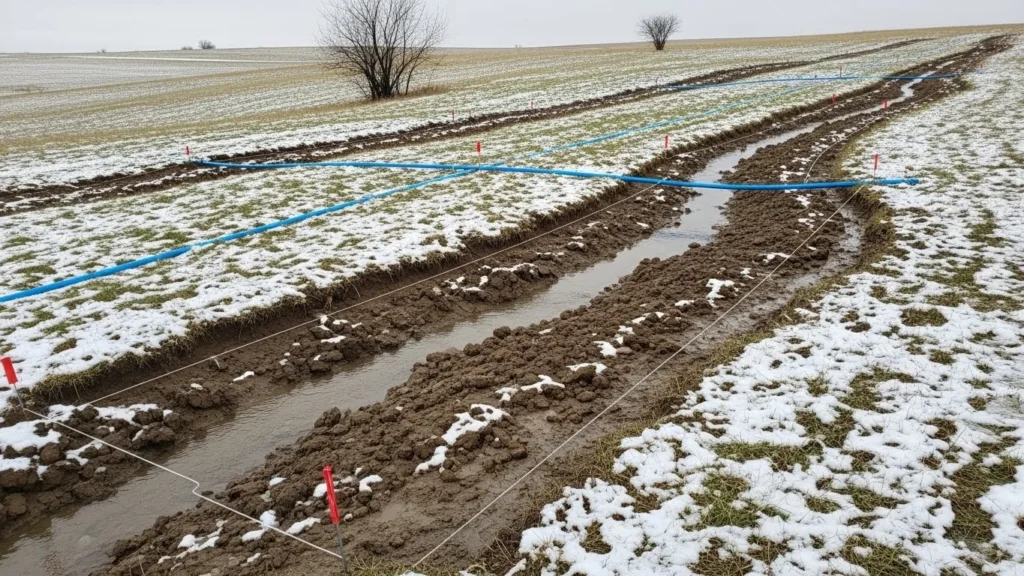
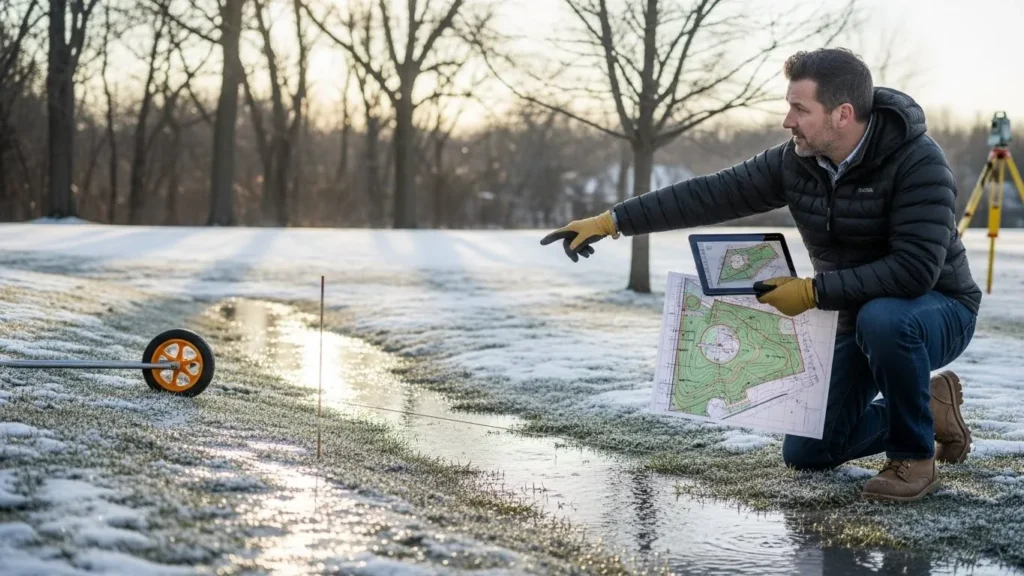
When temperatures rise, poorly planned landscapes begin to struggle. Plants show stress, irrigation systems fall behind demand, and drainage issues become more apparent. These challenges are rarely caused by weather alone; they are the result of design decisions made without long-term performance in mind.
Table of Contents
ToggleHolistic Planning for Heat Performance
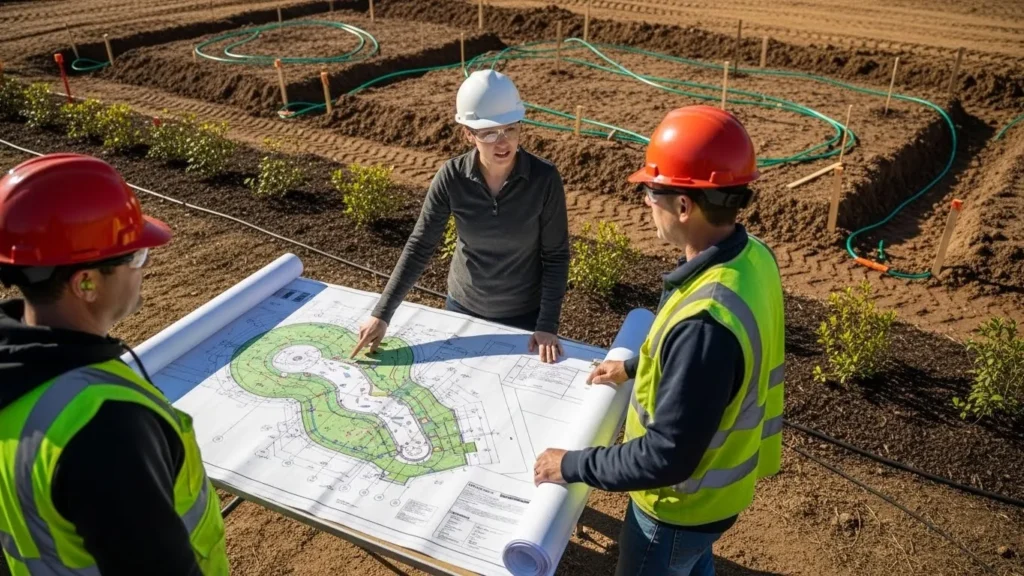
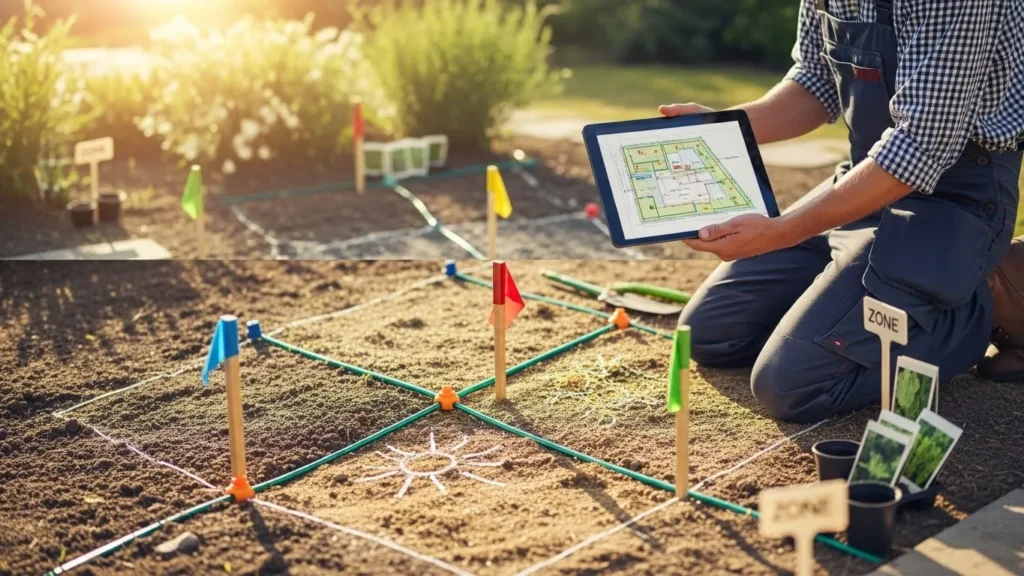
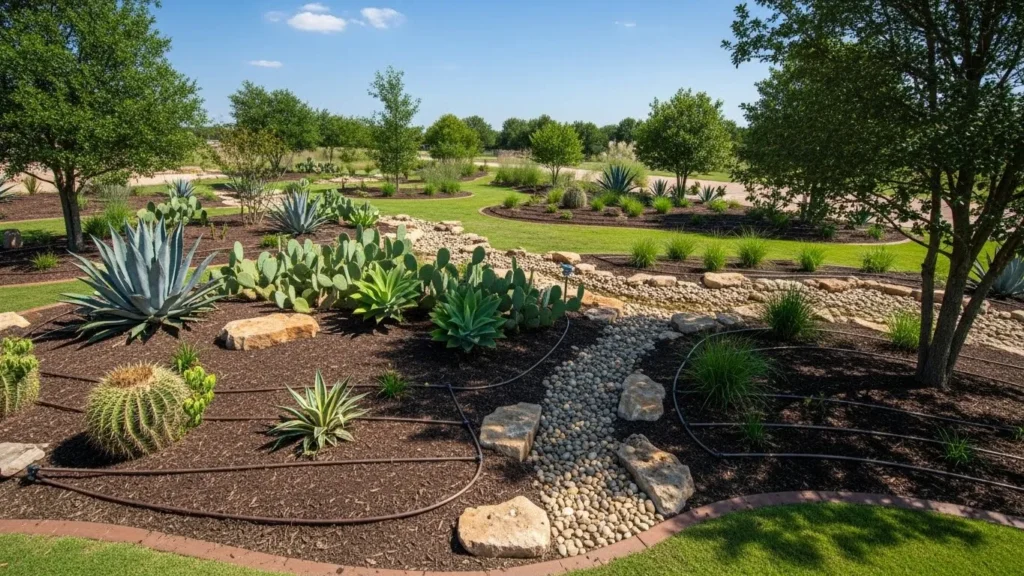
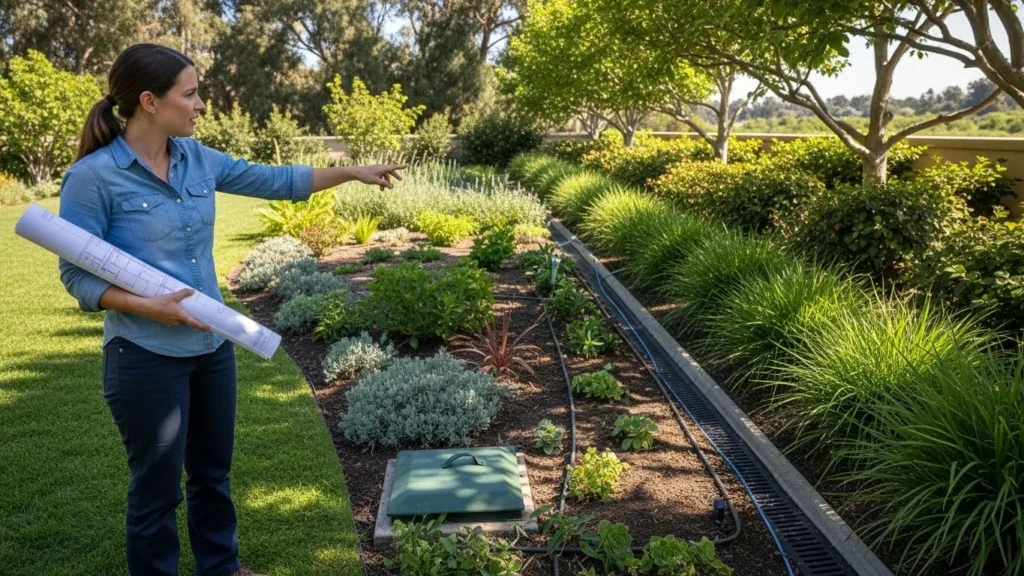
Landscapes that perform well in extreme heat are planned holistically. Layout, plant selection, irrigation design, and drainage strategy are aligned from the start. This ensures water is delivered efficiently, runoff is managed correctly, and plants are placed where they can thrive rather than simply survive.
Performance Planning Reduces Maintenance Demands
Performance-focused planning also reduces maintenance demands. Systems that work together require fewer adjustments and less intervention during peak stress periods. Over time, this translates into lower operating costs and more consistent results.
Designing for performance doesn’t limit aesthetics—it protects them. Landscapes built to handle extreme conditions maintain their appearance longer and recover faster when stressed.
Internal Links
External Reference
National Integrated Heat Health Information System (NOAA/CDC)
FAQ Block
Q: What does it mean to design a landscape for performance?
A: It means planning layouts and systems that function reliably under heat, rain, and water demand—not just ideal conditions.
Q: Do performance-based landscapes cost more?
A: Not long-term. They typically reduce maintenance, repairs, and system failures over time.