A landscape that looks good in spring but struggles in summer was never designed for performance.
In North Texas, heat and water demand place constant pressure on outdoor environments. Landscapes that rely on excess watering or constant adjustments rarely hold up long-term. True efficiency starts with design—not equipment.
Table of Contents
ToggleDesign for Heat Exposure and Plant Groupings
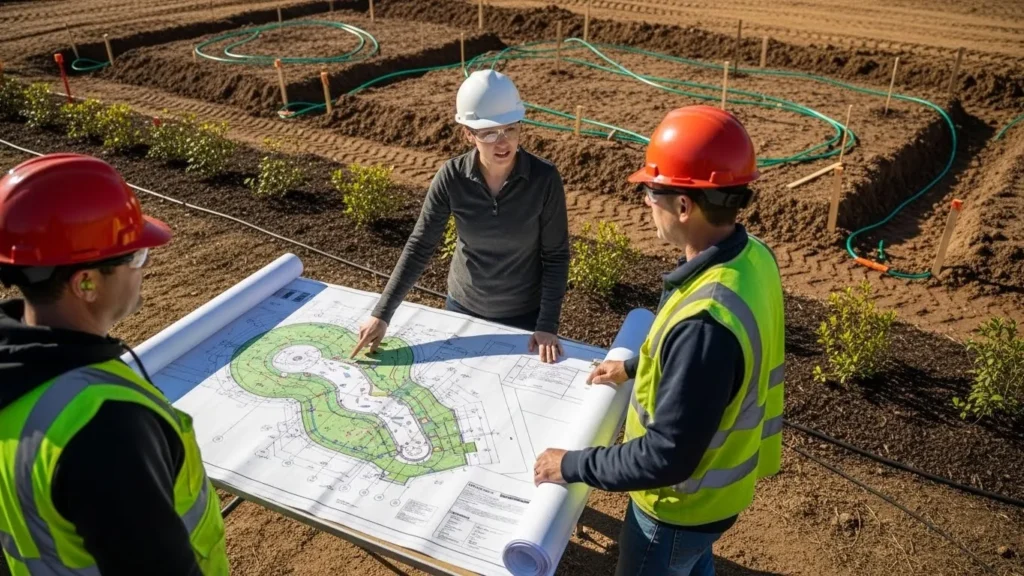
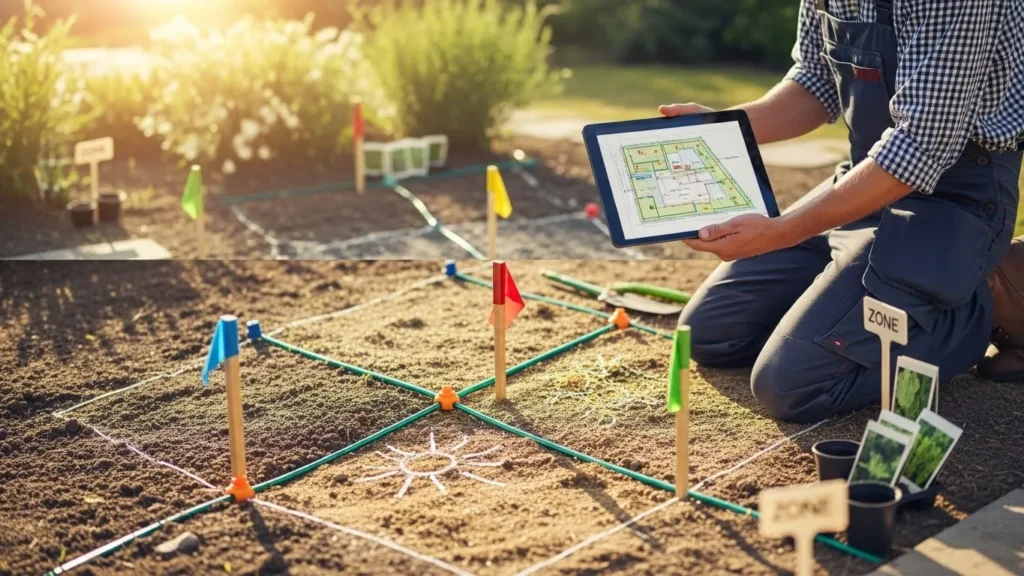
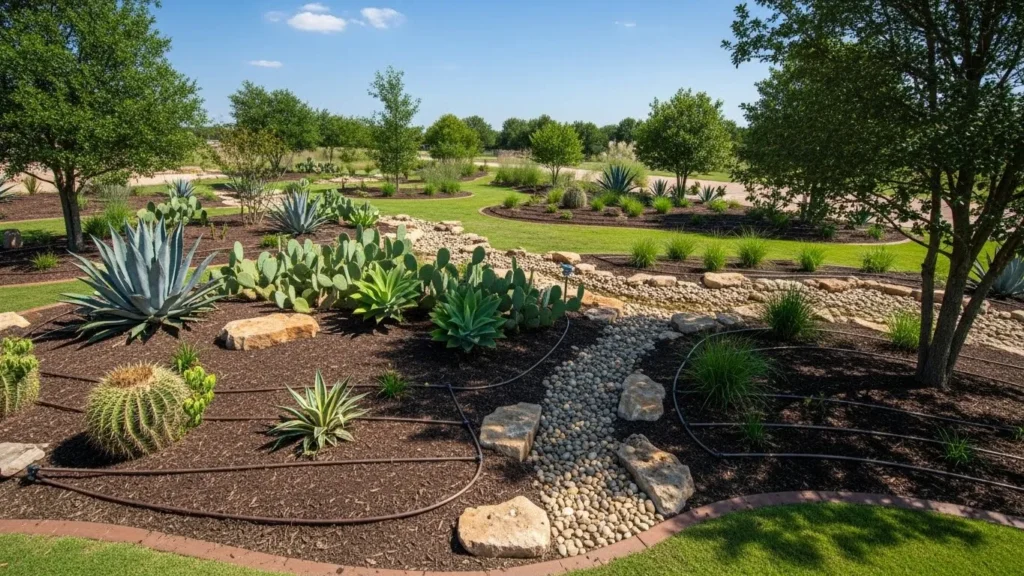
Effective landscape design accounts for heat exposure, soil conditions, and plant groupings from the beginning. When plants with similar water needs are grouped together and placed according to sun exposure, irrigation systems can operate efficiently instead of overcompensating. This reduces water waste and plant stress during peak summer conditions.
Layout Determines Water Efficiency
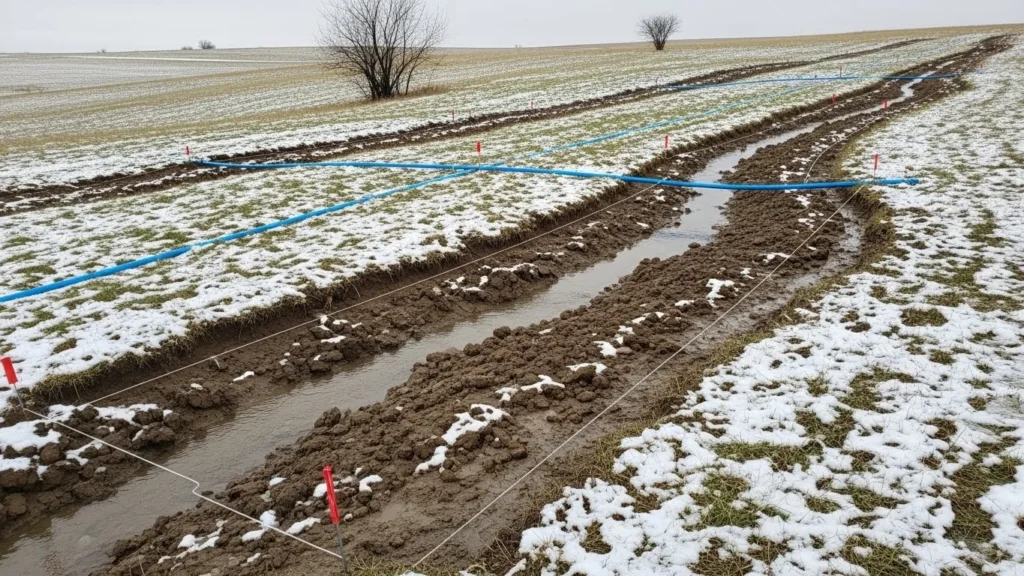
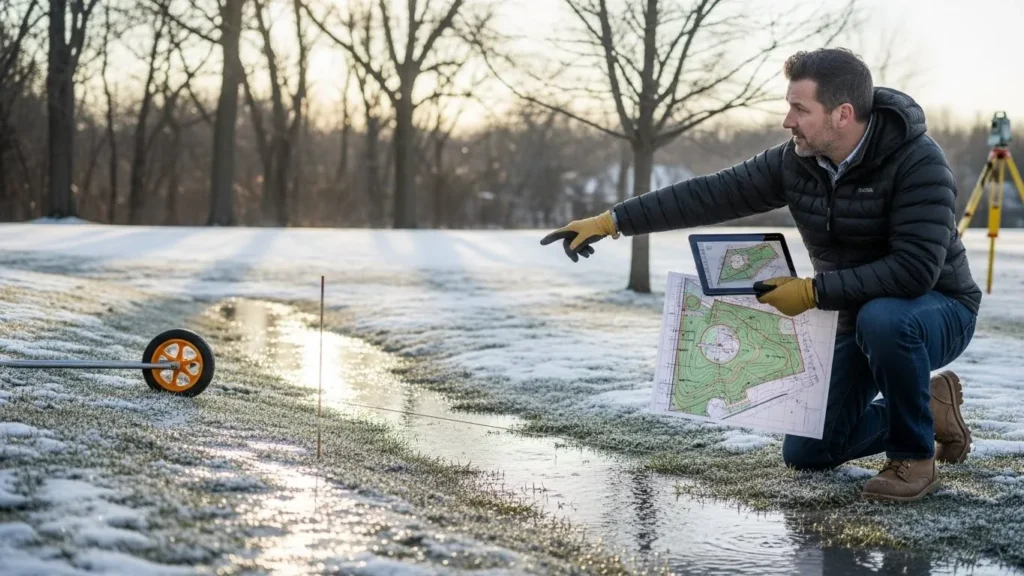
Water efficiency also depends on layout. Poor spacing and improper grading increase runoff and evaporation, forcing systems to work harder. Early design allows drainage and irrigation to support each other instead of operating independently.
Longevity Comes From System Alignment
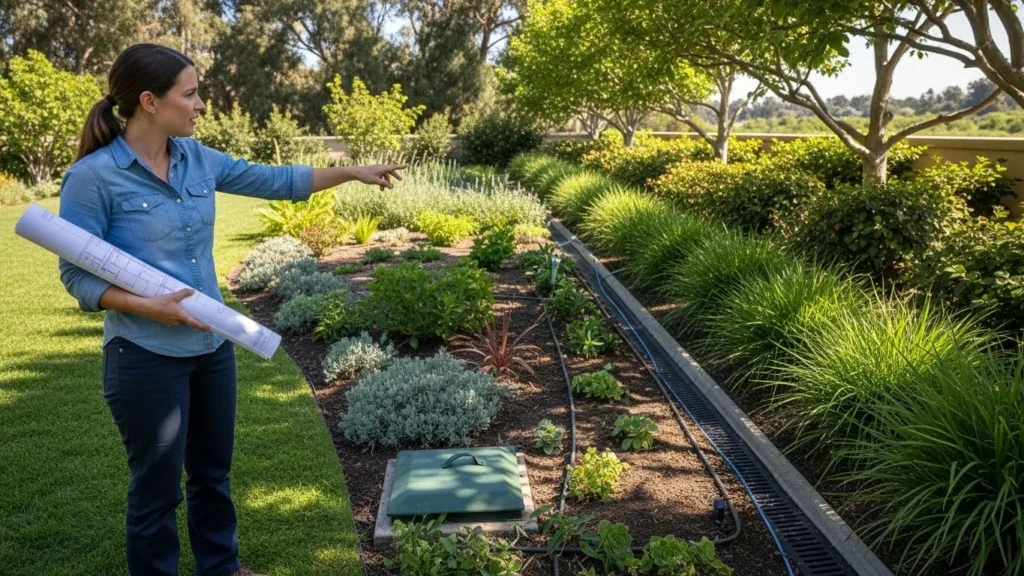
Longevity comes from alignment. When layout, irrigation, and drainage are planned as one system, landscapes require less intervention and perform more consistently year after year. This approach reduces long-term costs and prevents seasonal failures.
Designing for heat and efficiency isn’t about limiting creativity—it’s about building landscapes that work with the environment instead of against it.
Internal Links
External Reference
Texas A&M AgriLife Extension – Water-Efficient Landscape Design
FAQ Block
Q: What makes a landscape water-efficient?
A: Water efficiency comes from smart layout, plant grouping, and irrigation design—not just reduced watering.
Q: Can efficient landscapes still look high-end?
A: Yes. Properly designed landscapes balance performance and aesthetics without sacrificing either.