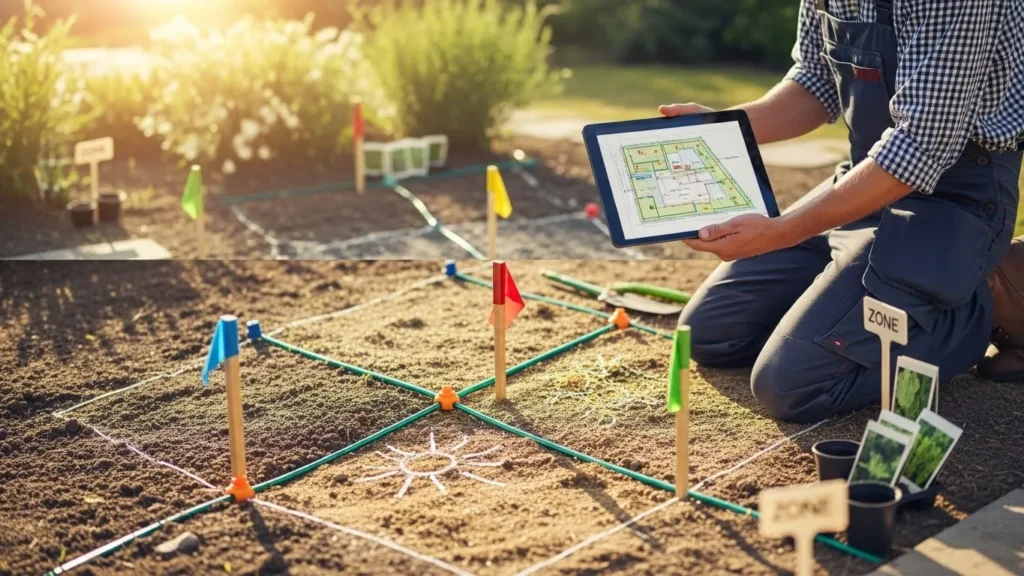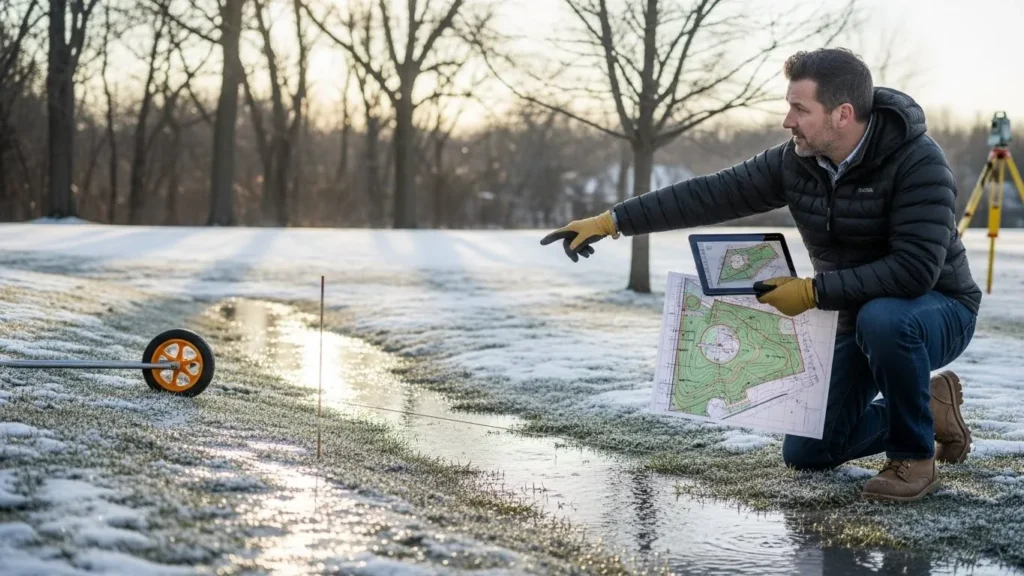
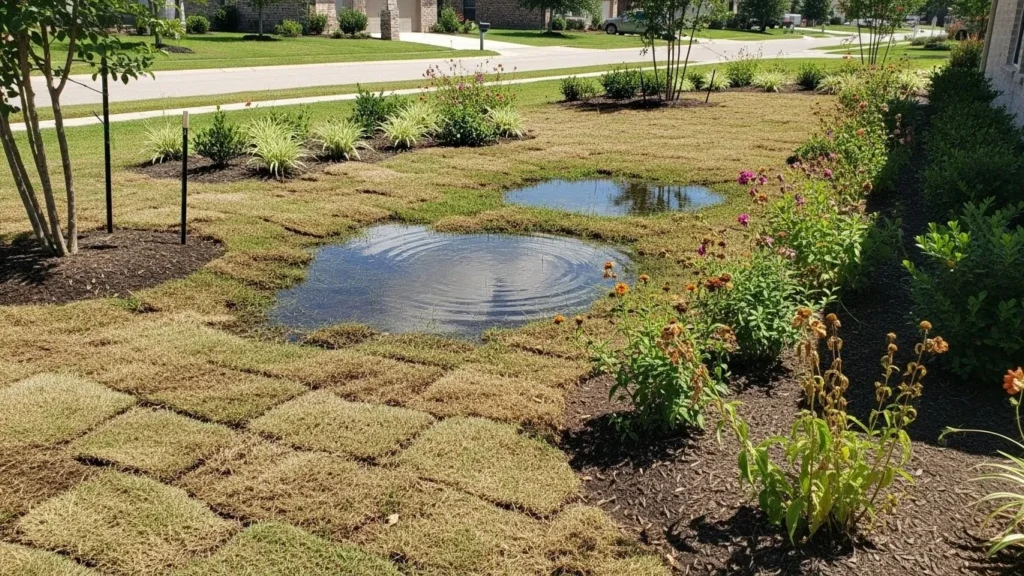
Waiting until spring to plan a landscaping project often feels logical. In practice, it’s one of the most expensive decisions a property owner can make.
When planning is delayed, design decisions are made under pressure. Drainage considerations are pushed aside, irrigation systems are forced into layouts they weren’t designed for, and plant selections are driven by availability instead of performance. These shortcuts rarely show immediate problems—but they surface quickly once heat, rain, and usage stress the landscape.
Table of Contents
ToggleSpring Demand Compresses Timelines
Spring also compresses timelines. Designers, installers, and suppliers are in high demand, which reduces flexibility. What could have been resolved calmly during winter planning becomes a series of reactive decisions during installation. This is where costs escalate—change orders, rework, and compromised design choices.
Large Projects Require System Coordination
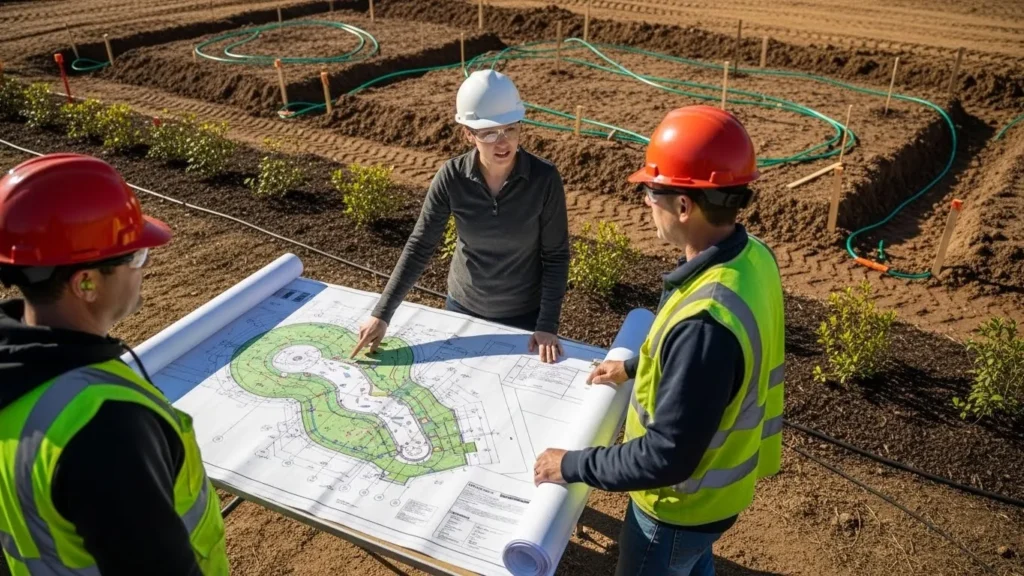
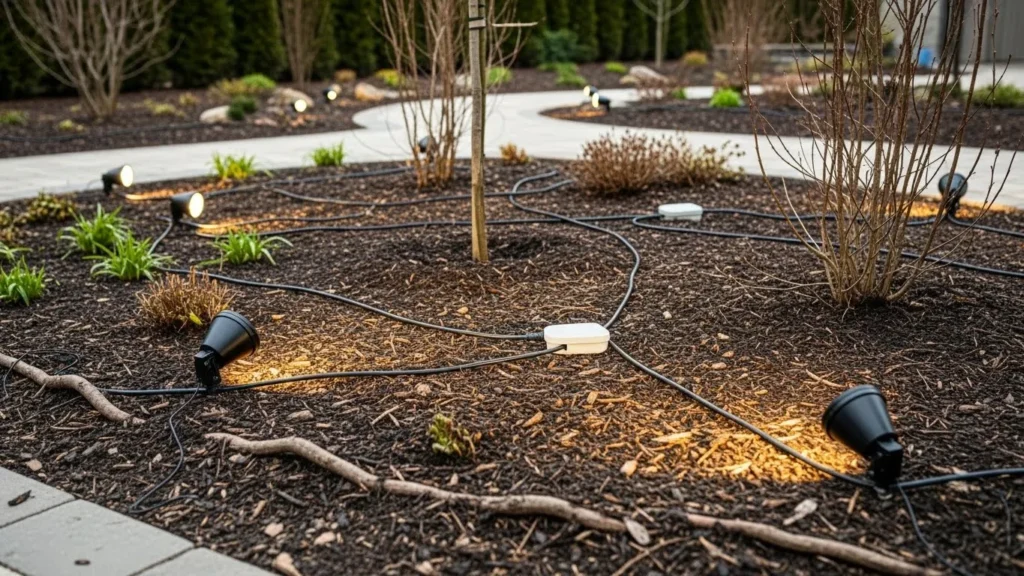
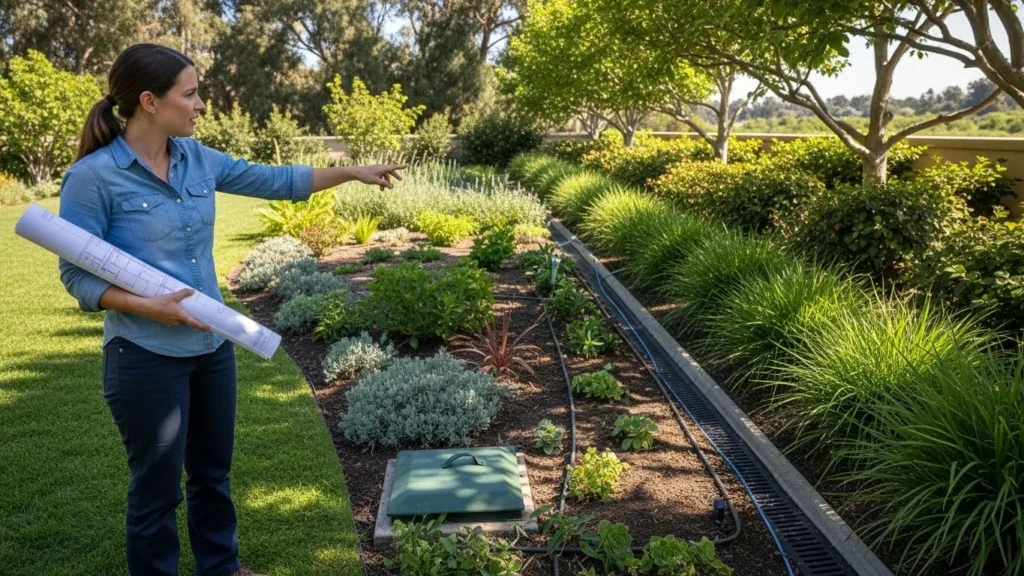
Large landscaping projects require coordination. Layout, grading, drainage, irrigation, and lighting must work together as a system. When any one of these is rushed, the entire project suffers. Many summer landscape failures trace directly back to spring planning decisions made too late.
Winter Planning Provides Leverage
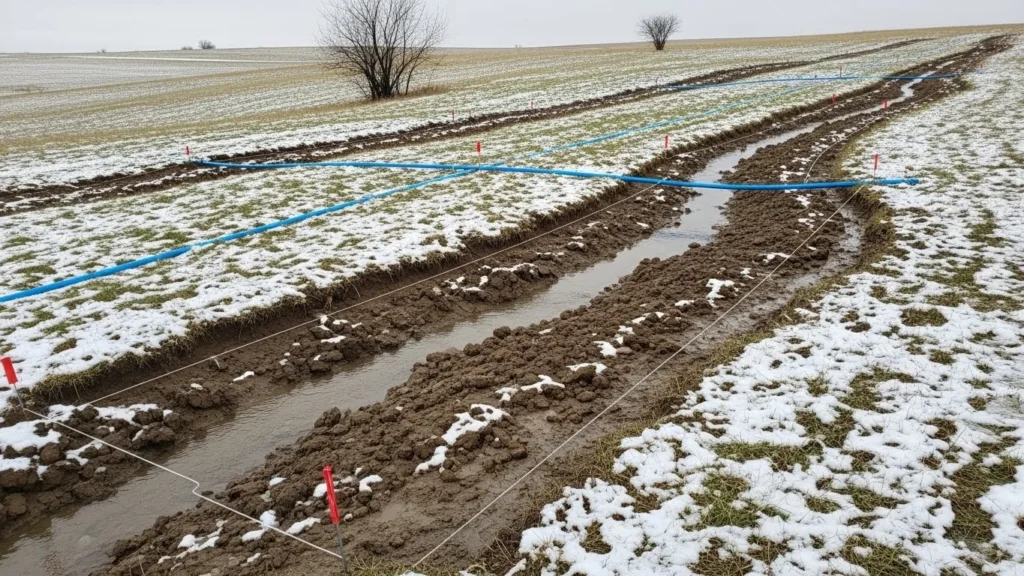
Starting earlier provides leverage. Winter planning allows property owners to define scope clearly, align systems properly, and secure timelines before demand peaks. Waiting until spring removes options and increases risk.
For those considering professional Landscaping Services, timing isn’t a minor detail—it’s a cost driver.
Internal Links
External Reference
MIT OpenCourseWare – Fundamentals of Project Planning and Sequencing
FAQ Block
Q: Why does landscaping cost more when planned in spring?
A: Spring demand limits availability and forces rushed decisions, which often leads to rework and higher costs.
Q: Can planning earlier really reduce landscaping expenses?
A: Yes. Early planning improves coordination, reduces mistakes, and prevents costly corrections later.