Drainage issues rarely appear overnight. They develop gradually and become obvious only when spring rains increase volume and intensity.
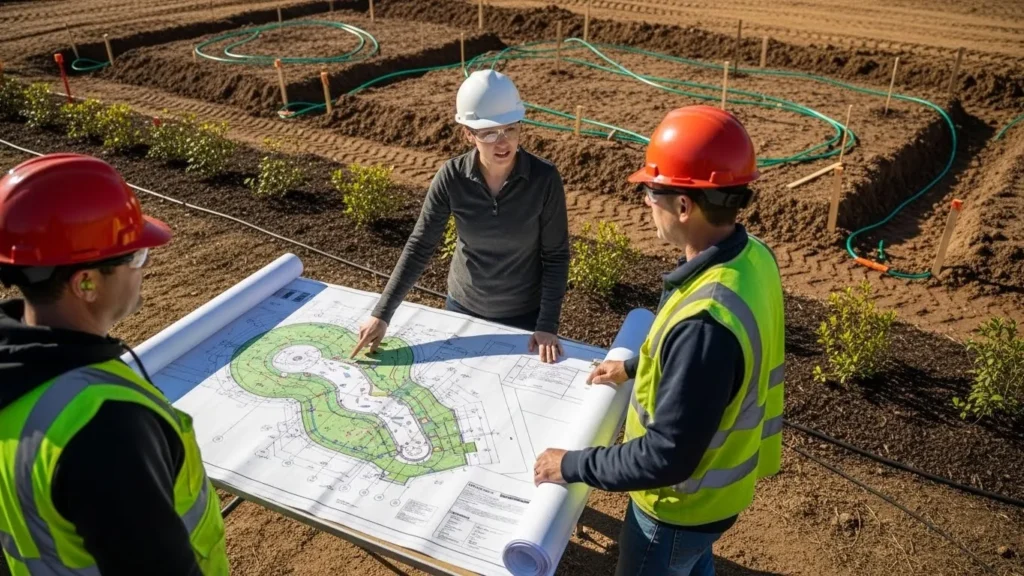
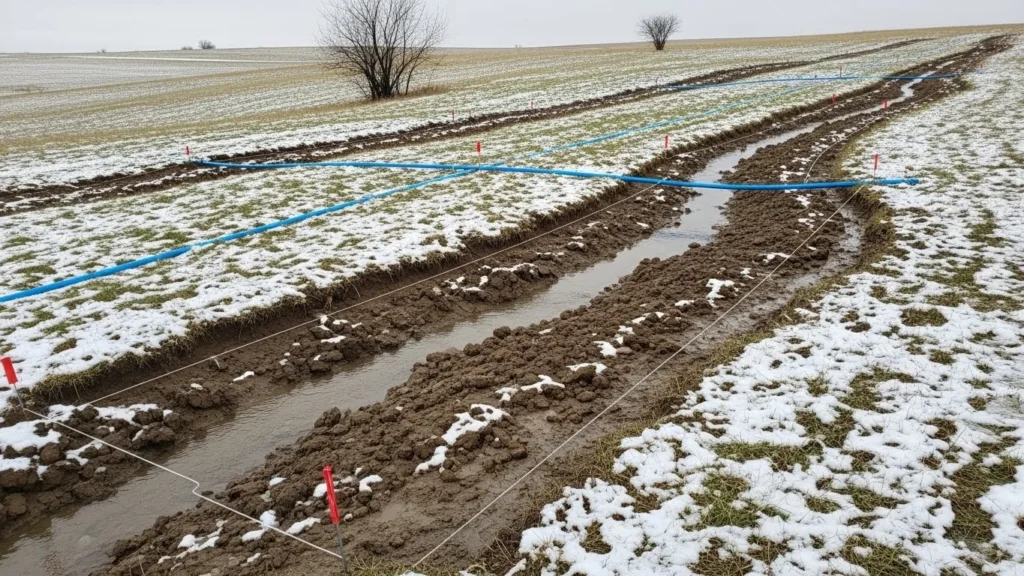
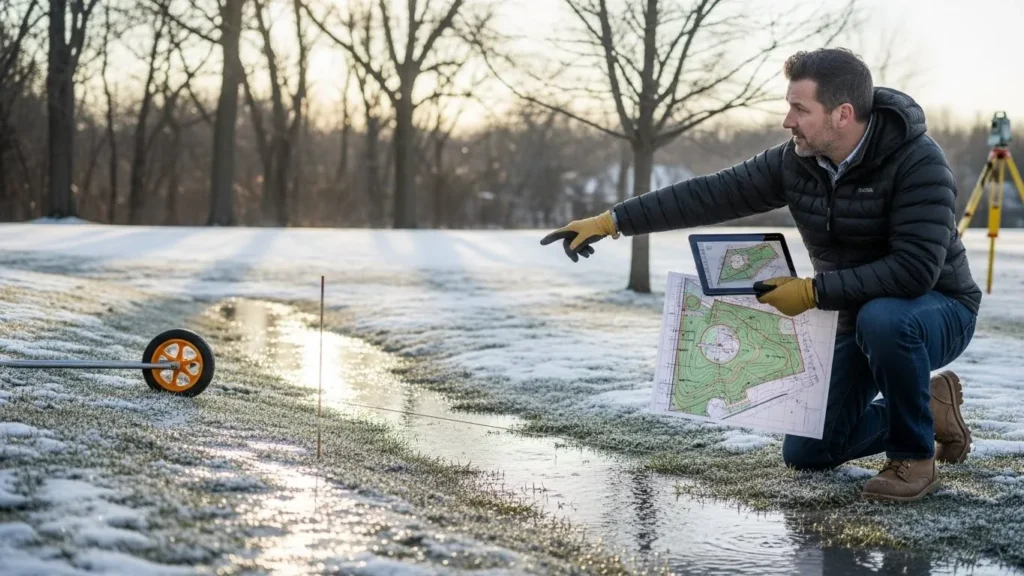
Winter is the most effective time to identify drainage problems. Without heavy vegetation, it’s easier to see low areas, runoff paths, and erosion points. These indicators provide critical insight into how water behaves across a property.
Table of Contents
ToggleAddressing Drainage Early Prevents Larger Problems
Addressing drainage early prevents larger problems later. Pooling water weakens soil structure, damages plant roots, and creates ongoing maintenance challenges. Once planting begins, correcting these issues becomes more invasive and expensive.
Drainage Planning Supports Irrigation Efficiency
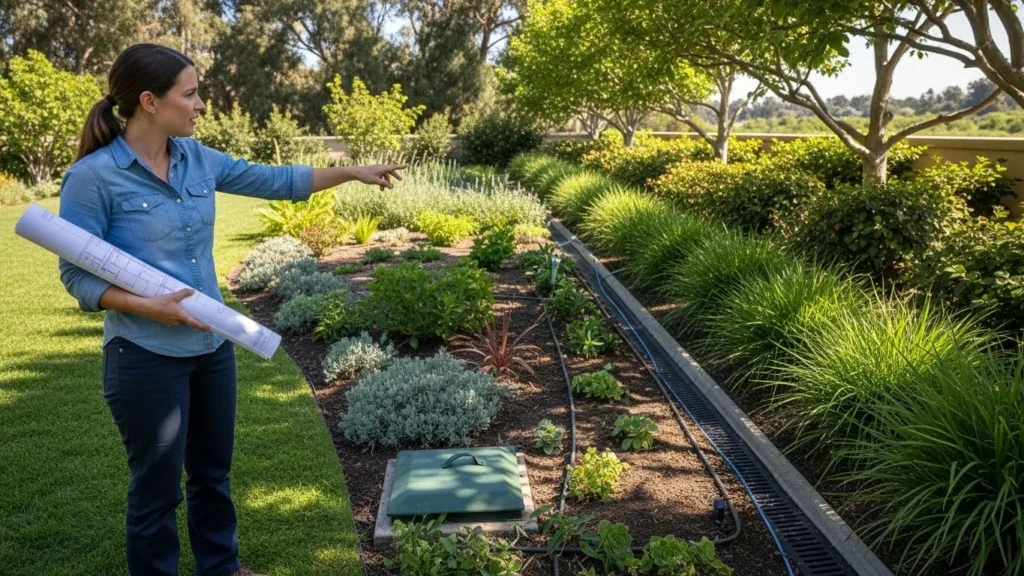
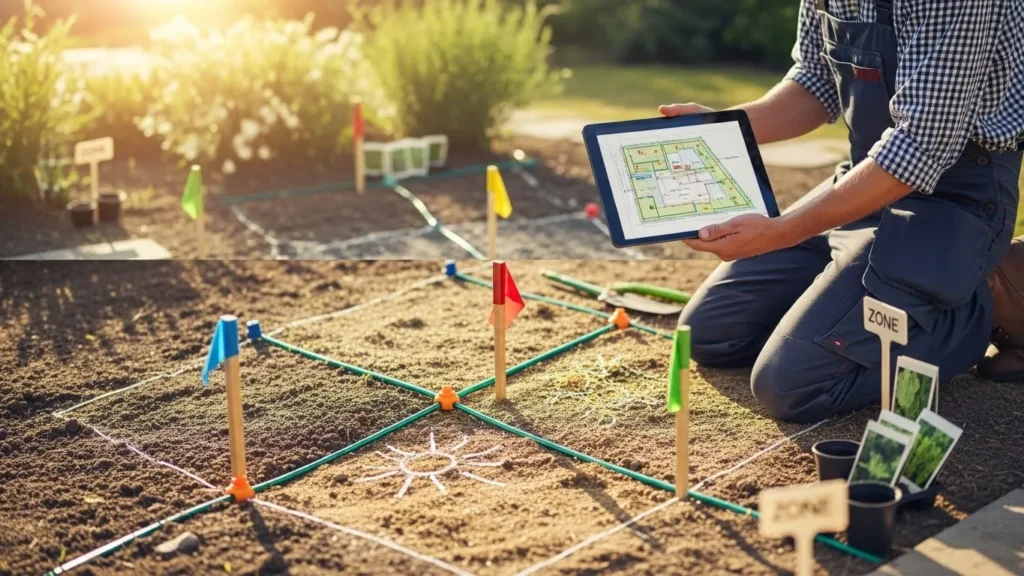
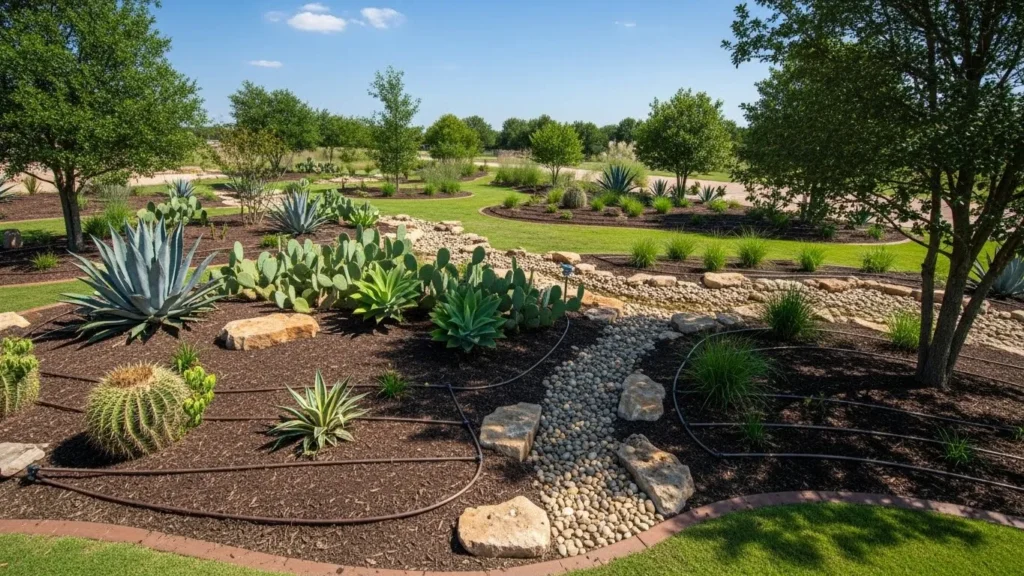
Early drainage planning also supports irrigation efficiency. When water is managed properly, irrigation systems don’t have to compensate for poor runoff control. This leads to healthier plants and more consistent performance throughout the growing season.
Fixing drainage before spring rains arrive protects both the landscape and the investment behind it. Waiting until problems surface often means dealing with damage instead of prevention.
Internal Links
External Reference
U.S. Environmental Protection Agency – Stormwater Runoff Basics
FAQ Block
Q: When is the best time to fix drainage problems?
A: Before spring rains—winter planning allows issues to be addressed proactively.
Q: Can drainage issues be fixed after installation?
A: Yes, but it typically requires more disruption and higher costs than fixing them early.