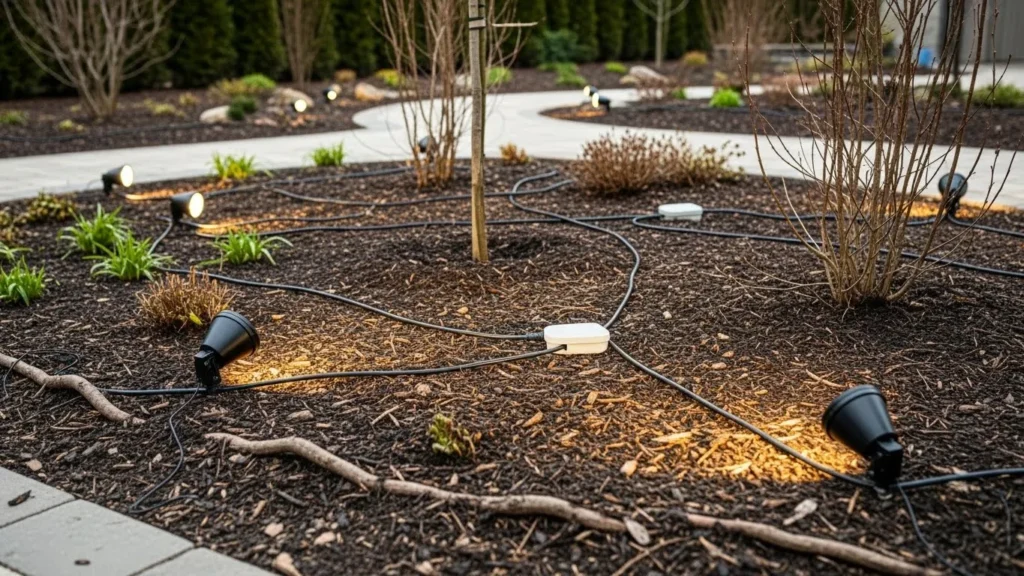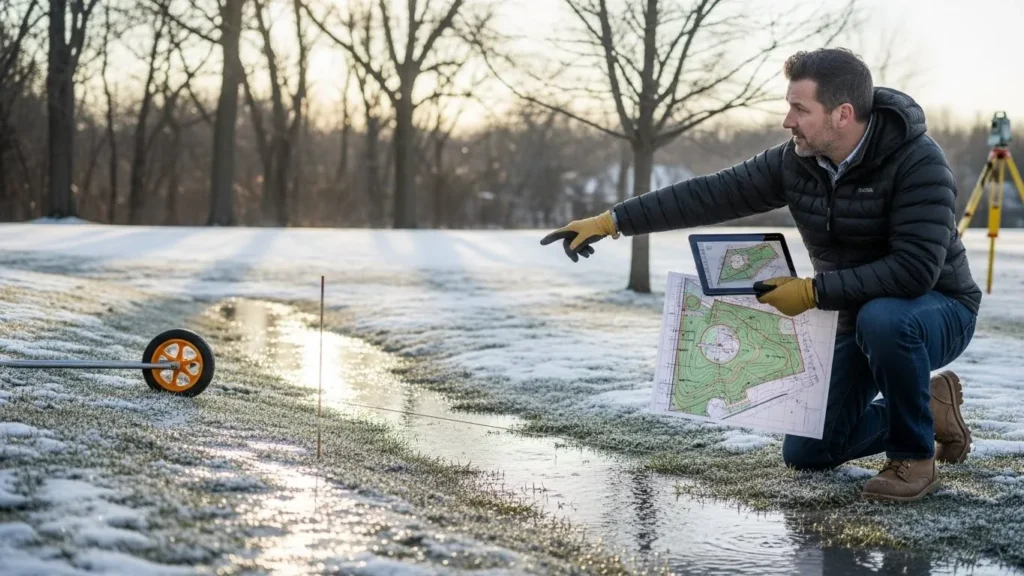
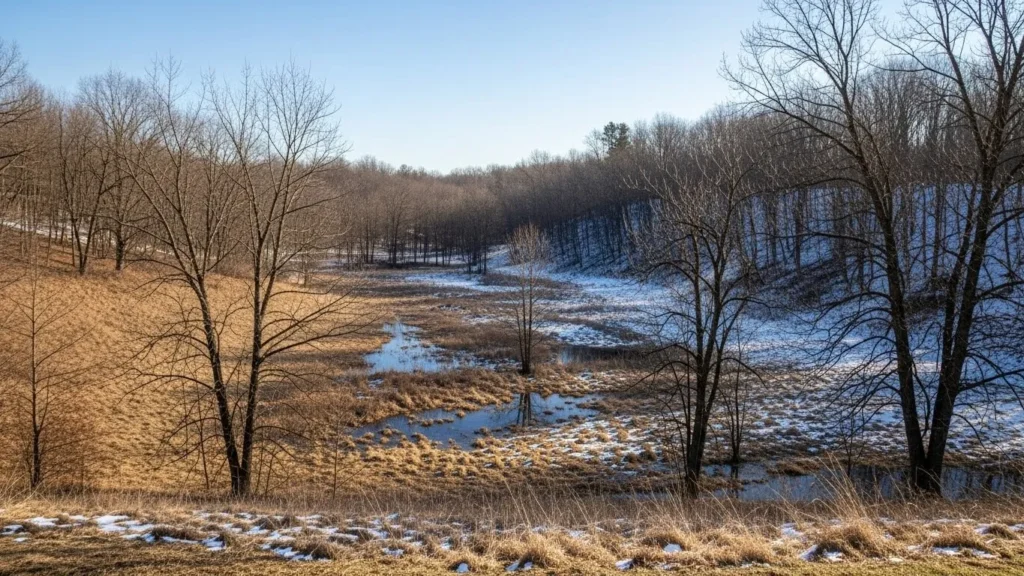
inter strips a landscape down to its essentials—and that’s exactly why it’s such a valuable planning season.
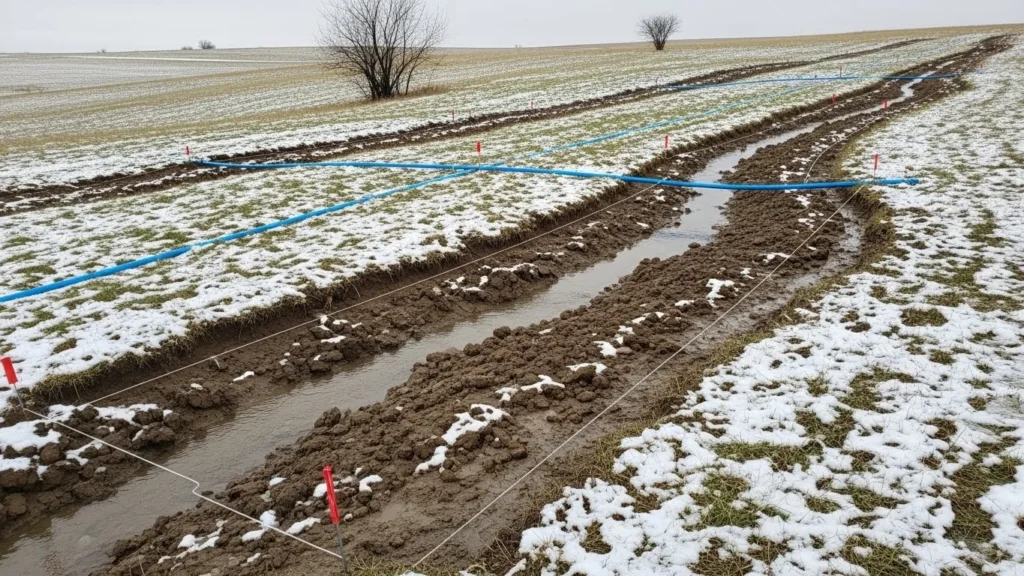
Without dense growth, it becomes easier to see how water moves across a property. Low areas reveal pooling issues. Slopes show runoff paths. These observations are critical for long-term performance and are far easier to address before installation begins.
Table of Contents
ToggleSun Exposure Patterns Become Clear
Winter also provides a clear view of sunlight patterns. Understanding where shade and exposure occur throughout the day helps prevent poor plant placement and reduces stress on irrigation systems later. When this step is skipped, landscapes often struggle during summer heat.
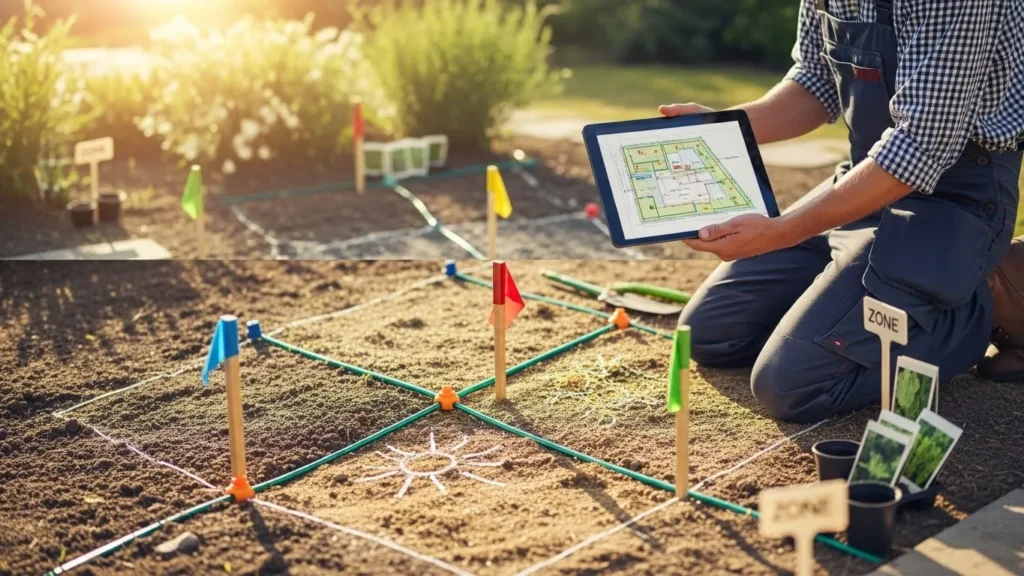
Translate Observations Into System Design
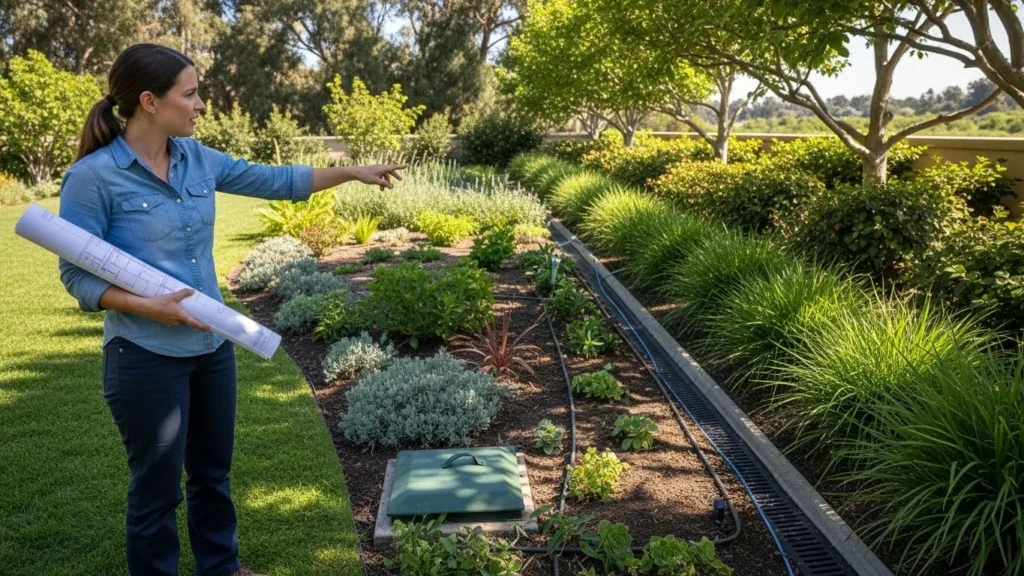
These insights are most effective when translated into early system design. Drainage Solutions can be engineered to manage runoff properly, while Irrigation Services can be designed to deliver water efficiently based on actual site conditions—not guesswork.
Ignoring what winter reveals often leads to fixes after installation, which are more invasive and more expensive. Addressing these issues early results in landscapes that perform consistently, not just seasonally.
Internal Links
External Reference
U.S. Environmental Protection Agency – Stormwater and Runoff Guidance
FAQ Block
Q: Why is winter useful for evaluating a landscape?
A: Drainage patterns, grading issues, and sun exposure are easier to see without active growth.
Q: Can winter observations prevent future landscape problems?
A: Yes. Identifying and addressing issues early reduces long-term damage and costly corrections.