Benefits of Drip Irrigation for Water-Efficient Landscaping in North Texas: Save Water and Enhance Plant Health
Drip irrigation is a highly efficient method that optimizes water usage in landscaping, particularly in arid and semi-arid regions like North Texas. This article delves into the numerous benefits of drip irrigation, focusing on its efficiency in conserving water and promoting plant health. As water scarcity becomes a pressing issue, understanding the advantages of drip irrigation is essential for homeowners and landscapers alike. By implementing this system, you can significantly reduce water waste while ensuring your plants receive the precise amount of moisture they need to thrive. We will explore how drip irrigation maximizes water savings, improves plant health, compares costs with traditional sprinkler systems, integrates with xeriscaping, utilizes smart technology, and offers maintenance tips.
How Does Drip Irrigation Maximize Water Savings in Landscaping?
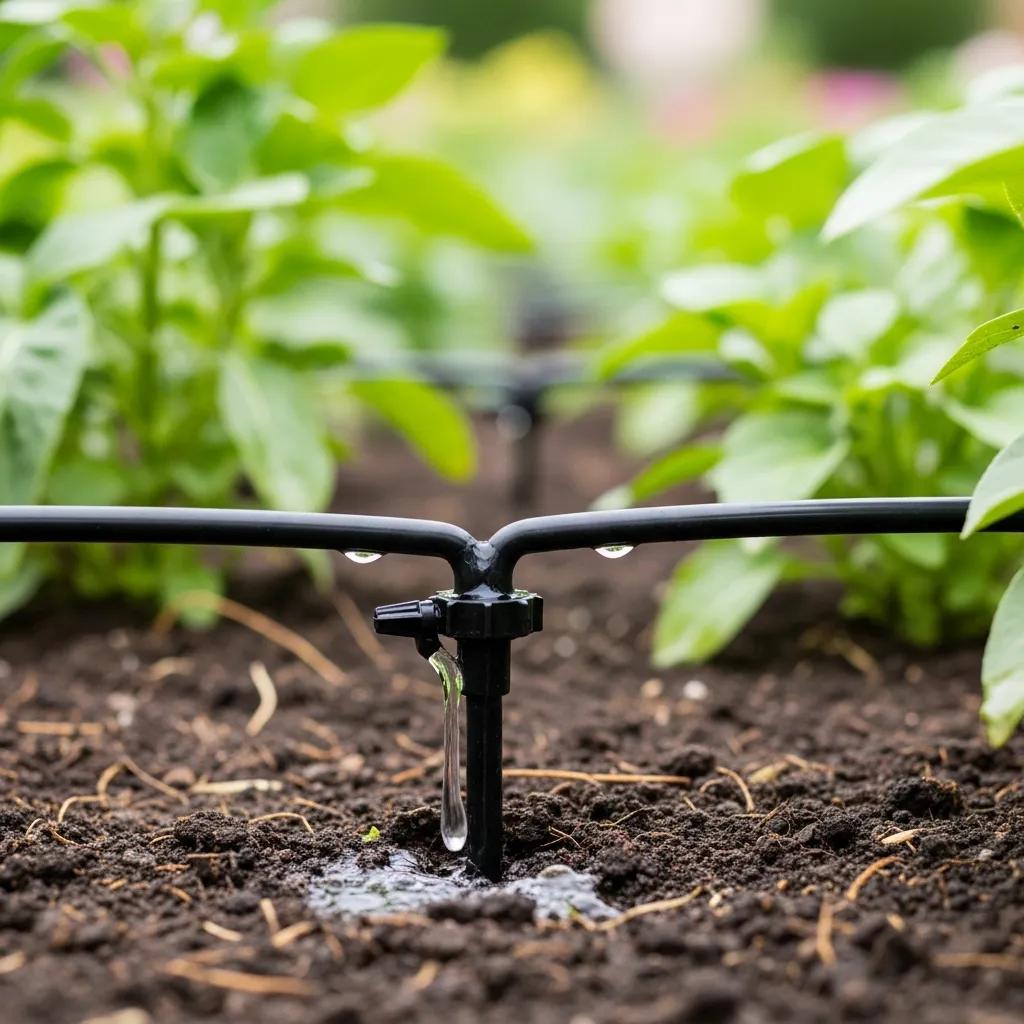
Drip irrigation maximizes water savings by delivering water directly to the root zone of plants, minimizing evaporation and runoff. This targeted approach ensures that plants receive the moisture they need without excess water being wasted. Unlike traditional irrigation methods, which often result in significant water loss, drip systems provide a more efficient solution for maintaining healthy landscapes. The precision of drip irrigation not only conserves water but also promotes healthier plant growth by preventing overwatering.
What Makes Drip Irrigation More Water-Efficient Than Traditional Methods?
Drip irrigation is more water-efficient than traditional methods due to its direct watering technique. By using emitters that release water slowly and directly to the roots, this system reduces evaporation and runoff significantly. Traditional sprinkler systems often spray water over a wide area, leading to substantial losses through evaporation and wind drift. In contrast, drip irrigation ensures that water penetrates the soil where it is needed most, resulting in a more effective use of water resources.
How Much Water Can You Save Using Drip Irrigation Systems?
Using drip irrigation systems can lead to water savings of 30% to 50% compared to conventional irrigation methods, depending on the specific landscape and system design. Studies have shown that homeowners can reduce their water bills significantly by switching to drip irrigation. For instance, a typical household may save thousands of gallons of water annually, translating to lower utility costs and a more sustainable approach to landscaping. This not only benefits the environment but also enhances the overall health of your garden.
In What Ways Does Drip Irrigation Improve Plant Health and Growth?
Drip irrigation plays a crucial role in improving plant health and growth by providing consistent moisture levels directly to the roots. This method encourages deeper root development, which is essential for plant stability and nutrient uptake. By maintaining optimal soil moisture, drip irrigation helps prevent stress on plants, leading to healthier and more vibrant landscapes.
How Does Targeted Root Zone Watering Benefit Plants?
Targeted root zone watering benefits plants by promoting deeper root systems. When water is delivered directly to the roots, plants are encouraged to grow deeper into the soil, where they can access more nutrients and moisture. This not only enhances their resilience to drought conditions but also improves their overall health and growth rates. As a result, plants become more robust and better equipped to withstand environmental stressors.
Can Drip Irrigation Reduce Plant Diseases and Pest Issues?
Yes, drip irrigation can significantly reduce plant diseases and pest issues. By keeping foliage dry and minimizing water on the leaves, this method helps prevent fungal growth and other moisture-related diseases. Additionally, healthier plants are less susceptible to pests, as they are better able to withstand infestations. This creates a more sustainable and low-maintenance landscape, reducing the need for chemical treatments.
What Are the Cost and Efficiency Advantages of Drip Irrigation Compared to Sprinkler Systems?
Drip irrigation offers several cost and efficiency advantages over traditional sprinkler systems. While the initial installation costs may be comparable or slightly higher depending on system complexity, the long-term savings on water bills and maintenance make it a more economical choice. Drip systems require less frequent maintenance and are less prone to damage, resulting in lower overall costs for homeowners.
How Does Drip Irrigation Lower Water Bills and Maintenance Costs?
Drip irrigation lowers water bills by significantly reducing water usage. Homeowners can expect to see a decrease in their monthly utility costs as they conserve water through this efficient system. Additionally, the maintenance costs associated with drip irrigation are generally lower than those for sprinkler systems, as they are less likely to require repairs or replacements due to wear and tear.
What Are the Installation Considerations for Drip Versus Sprinkler Systems?
When considering installation, drip irrigation systems require careful planning to ensure proper layout and emitter placement. While sprinkler systems can be easier to install for large turf areas, they often lead to uneven water distribution. Drip irrigation, on the other hand, necessitates a more thoughtful approach to ensure that each plant receives adequate moisture. Homeowners should consult with professionals to determine the best design for their specific landscaping needs.
How Does Integrating Drip Irrigation with Xeriscaping Enhance Sustainable Landscaping?
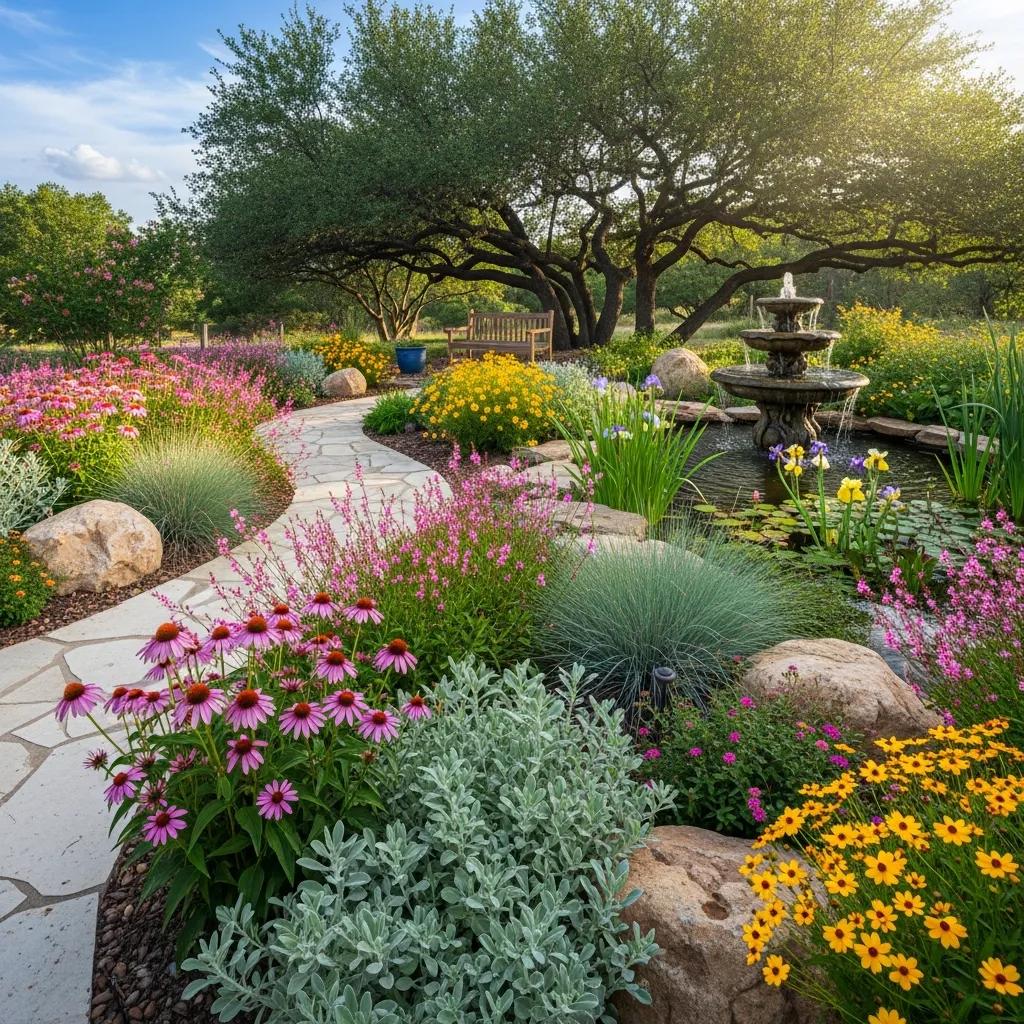
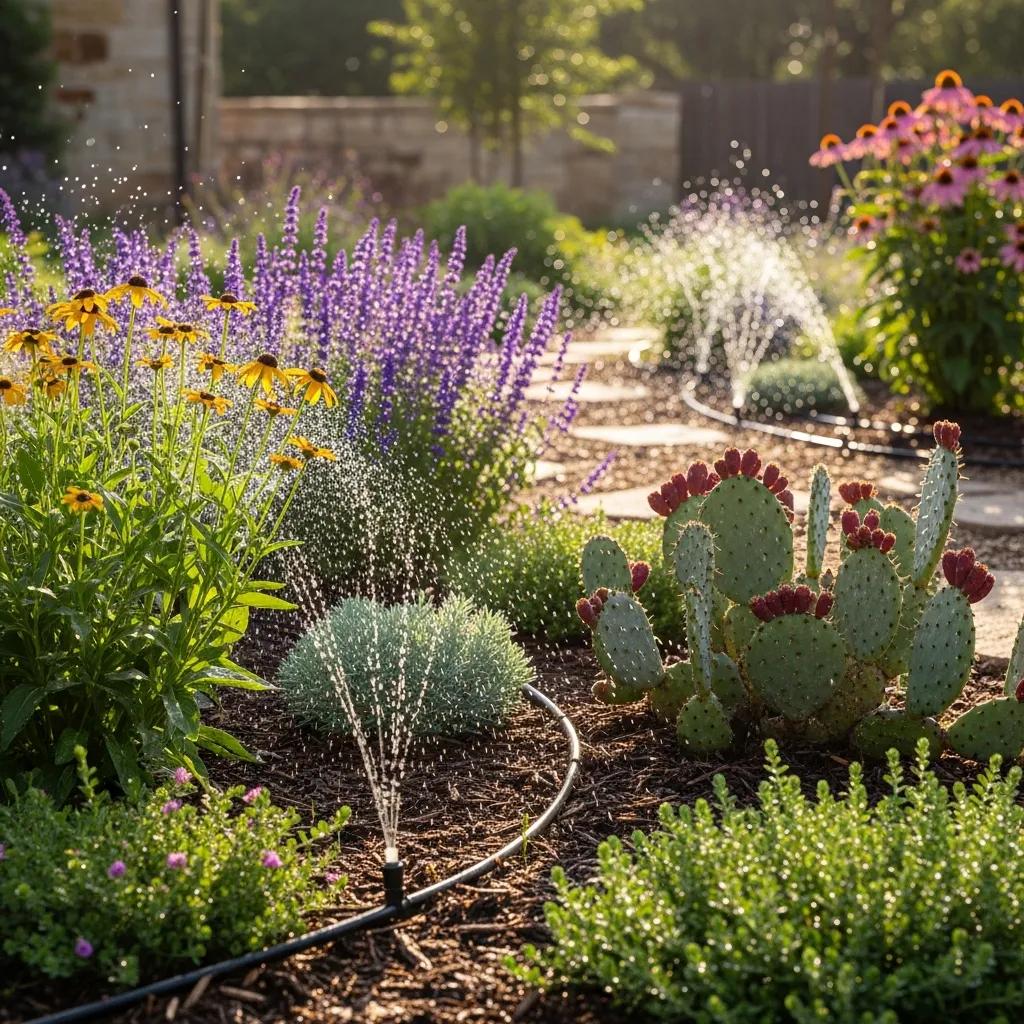
Integrating drip irrigation with xeriscaping creates a highly efficient and sustainable landscaping approach. Xeriscaping focuses on using drought-tolerant plants and minimizing water usage, making it an ideal companion for drip irrigation systems. This combination not only conserves water but also enhances the aesthetic appeal of landscapes in arid regions.
The Texas Agricultural Extension Service further emphasizes the importance of combining these methods for water conservation.
Texas Xeriscape: Drip Irrigation for Landscape Water Conservation
the Texas Agricultural Extension Service encourages Texans to adopt Xeriscape landscaping. Sprinkler and drip irrigation can be used together to conserve water in the landscape.
Xeriscape… Landscape Water Conservation, 2007
Why Is Drip Irrigation Ideal for Drought-Tolerant Xeriscape Gardens?
Drip irrigation is ideal for drought-tolerant xeriscape gardens because it delivers water directly to the roots of plants that thrive in low-water conditions. This method ensures that these plants receive the moisture they need without excess water being wasted. As a result, homeowners can create beautiful, sustainable landscapes that require minimal maintenance and resources.
Experts highlight how these practices, including minimizing turf and employing drip irrigation, align with effective xeriscaping design.
Drip Irrigation for Water-Efficient Xeriscaping in Arid Regions
gardens, employing drip irrigation, and minimizing the use of turf areas (Table 1). These principles closely align with the principles of xeriscaping design (Ismaeil and Sobaih, 2022). Maximizing water use efficiency through xeriscaping.
HOT-ARID LANDSCAPING: MAXIMIZING WATER USE EFFICIENCY THROUGH XERISCAPING, 2022
What Are Local Examples of Successful Xeriscape Drip Irrigation Projects?
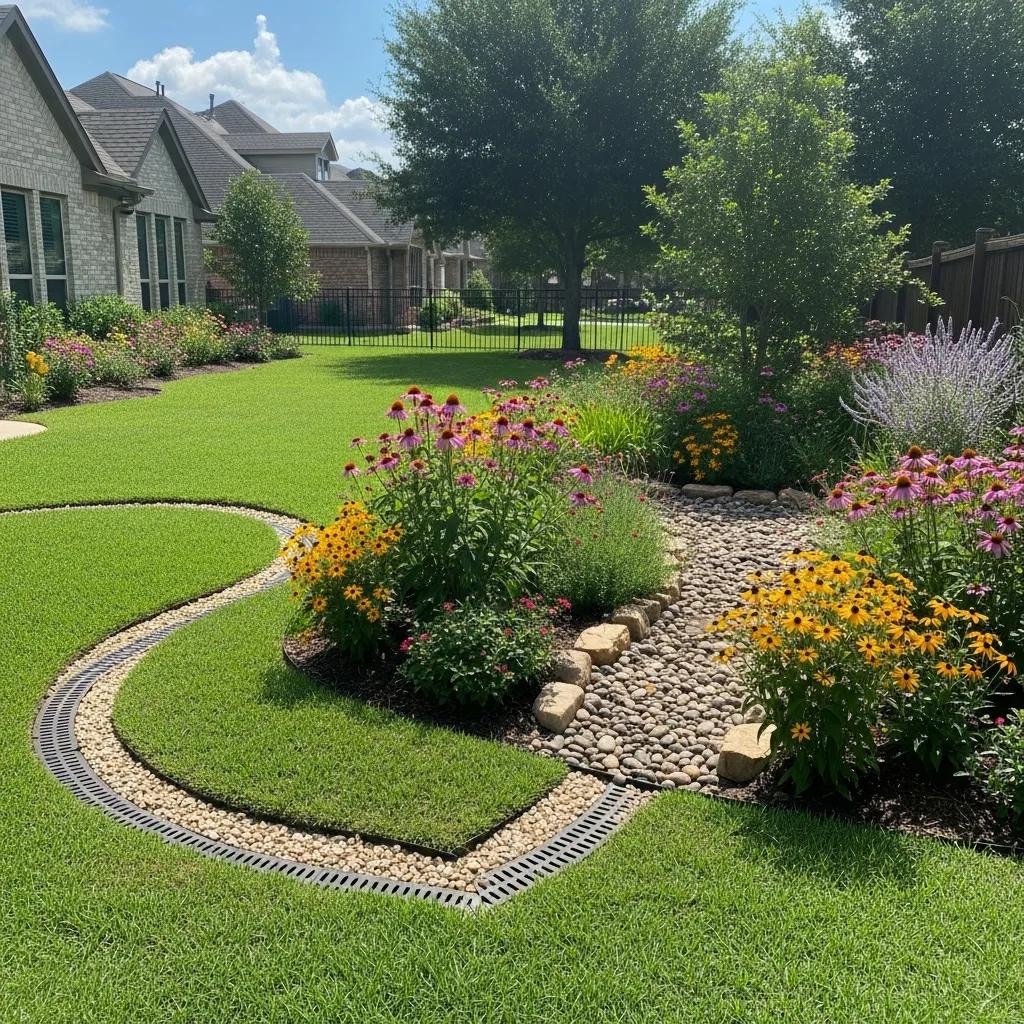
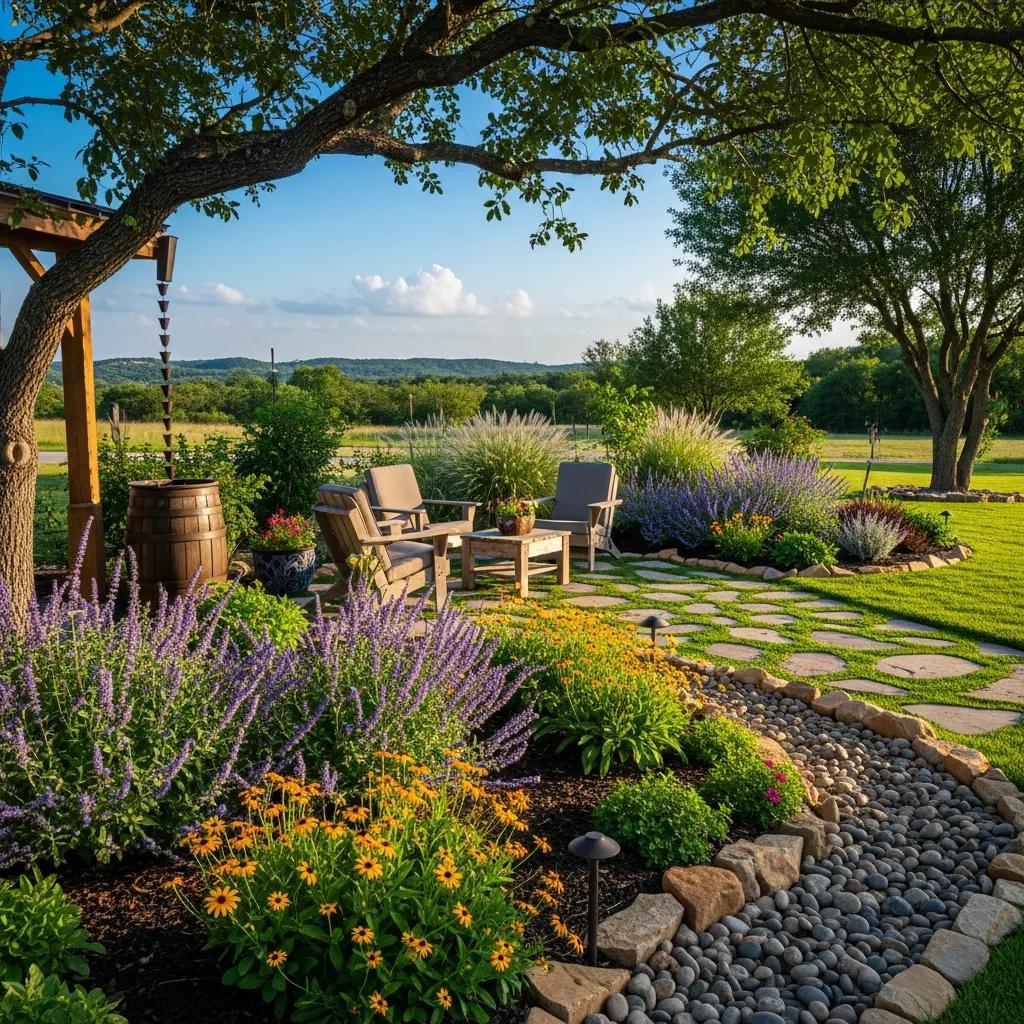
Local examples of successful xeriscape drip irrigation projects can be found throughout North Texas, showcasing the effectiveness of this approach. Many homeowners have transformed their yards into vibrant, water-efficient landscapes by combining drought-tolerant plants with drip irrigation systems. These projects not only demonstrate the aesthetic benefits of xeriscaping but also highlight the significant water savings achieved through this method.
How Can Smart Irrigation Technology Optimize Drip Irrigation Systems for Homes?
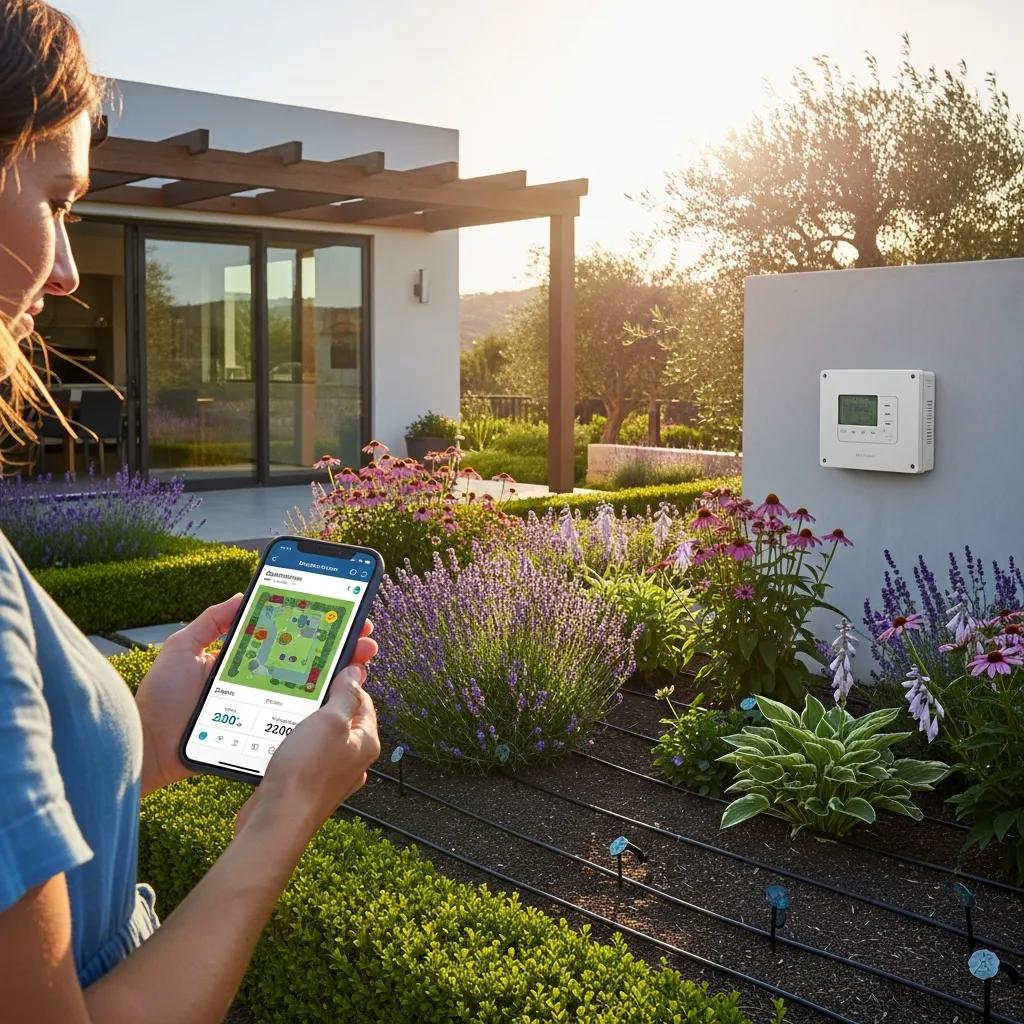
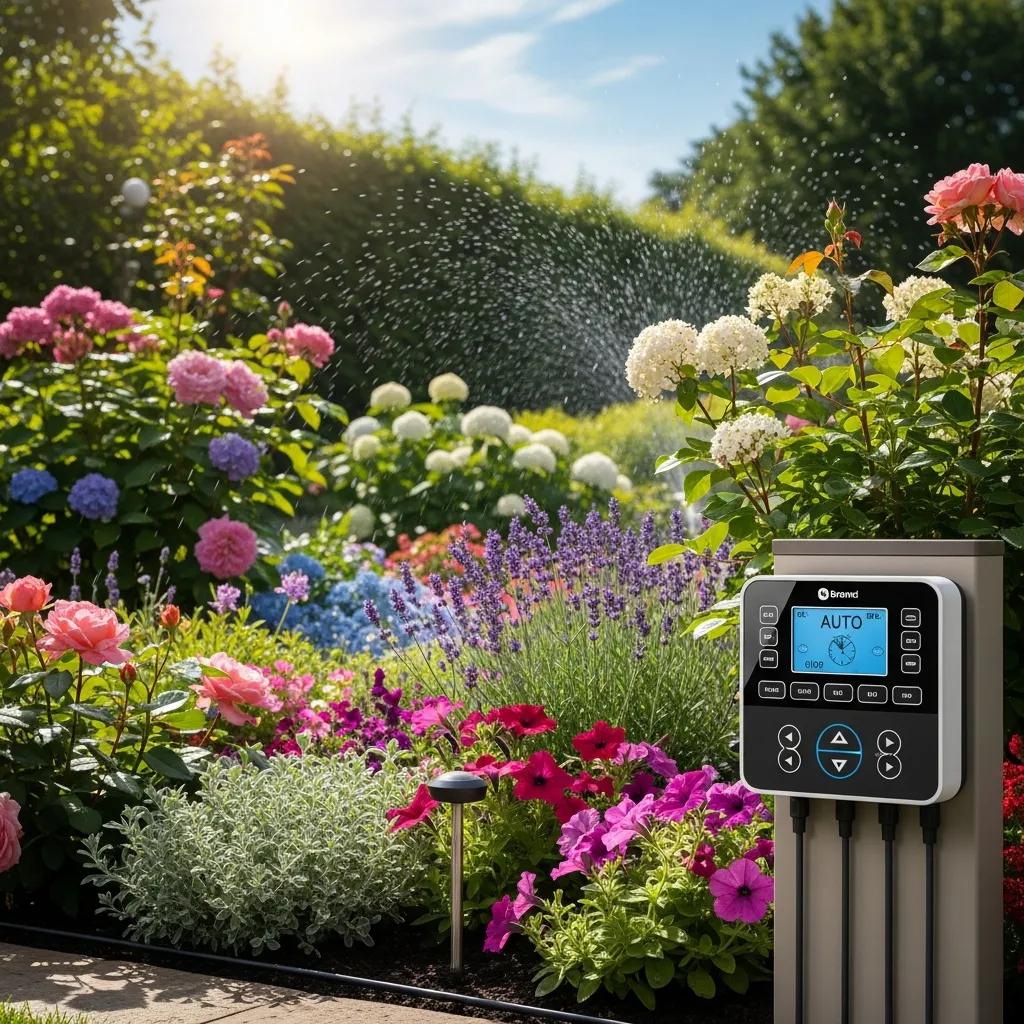
Smart irrigation technology can optimize drip irrigation systems by automating watering schedules and adjusting water delivery based on real-time weather data. This technology enhances the efficiency of drip systems, ensuring that plants receive the right amount of water at the right time.
What Smart Features Improve Water Efficiency and Automation?
Smart features such as soil moisture sensors and weather-based controllers improve water efficiency by monitoring soil moisture levels and adjusting irrigation schedules accordingly. These technologies help prevent overwatering and ensure that plants receive consistent moisture, leading to healthier landscapes and reduced water waste.
How Does Smart Drip Irrigation Adapt to North Texas Climate Conditions?
Smart drip irrigation systems can adapt to North Texas climate conditions by utilizing local weather data to optimize watering schedules. By adjusting irrigation based on rainfall and temperature, these systems ensure that plants receive adequate moisture without wasting water. This adaptability is crucial for maintaining healthy landscapes in a region characterized by fluctuating weather patterns.
What Are Essential Maintenance Tips to Ensure Longevity of Drip Irrigation Systems?
To ensure the longevity of drip irrigation systems, regular maintenance is essential. Homeowners should inspect their systems periodically to check for clogs, leaks, and other issues that may arise over time. Proper care will help maintain the efficiency and effectiveness of the system.
How Should You Clean and Maintain Drip Irrigation Components?
Cleaning and maintaining drip irrigation components involves regularly flushing the system to remove debris and checking emitters for clogs. Homeowners should also inspect tubing for leaks and replace any damaged parts promptly. This proactive approach will help ensure that the system operates efficiently and effectively.
What Seasonal Practices Help Prevent System Damage?
Seasonal practices such as winterization and summer checks can help prevent system damage. In colder months, homeowners should drain or blow out the system to prevent freezing damage, while in warmer months, regular inspections can identify potential issues before they escalate. By following these seasonal maintenance tips, homeowners can extend the life of their drip irrigation systems.
Drip irrigation is a powerful tool for achieving water-efficient landscaping in North Texas. By understanding its benefits and implementing best practices, homeowners can create sustainable landscapes that thrive in the region’s unique climate. With the integration of smart technology and proper maintenance, drip irrigation systems can provide lasting advantages for both the environment and your garden.