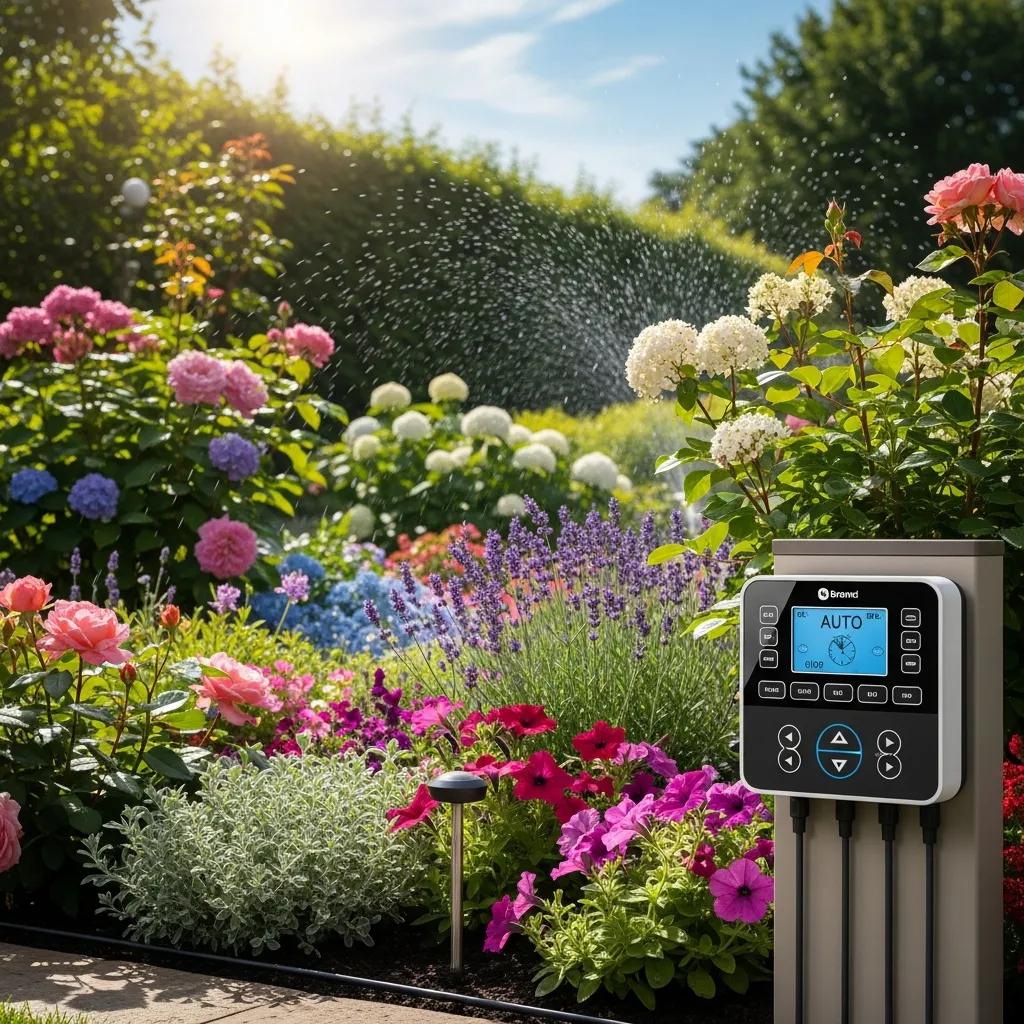
Smart Irrigation Controllers for Automated Water Management: Benefits, Installation, and Water-Efficient Solutions
Smart irrigation controllers are revolutionizing the way we manage water resources in landscaping. These advanced systems utilize technology to optimize watering schedules, ensuring that plants receive the right amount of water at the right time. In this article, we will explore the benefits of smart irrigation controllers, how they work, and the installation process. Additionally, we will discuss how Let Us Do It Landscaping LLC can assist you in implementing these innovative solutions for your outdoor spaces. By understanding the advantages of smart irrigation, homeowners can significantly reduce water waste, lower utility bills, and enhance the health of their landscapes.
The following sections will cover the functionality of smart irrigation controllers, their benefits, the installation services provided by Let Us Do It Landscaping, and the best brands available in the market. We will also delve into how smart irrigation supports water-efficient landscape design, particularly in the unique climate of North Texas, and the available water conservation programs in Texas.
What Are Smart Irrigation Controllers and How Do They Work?
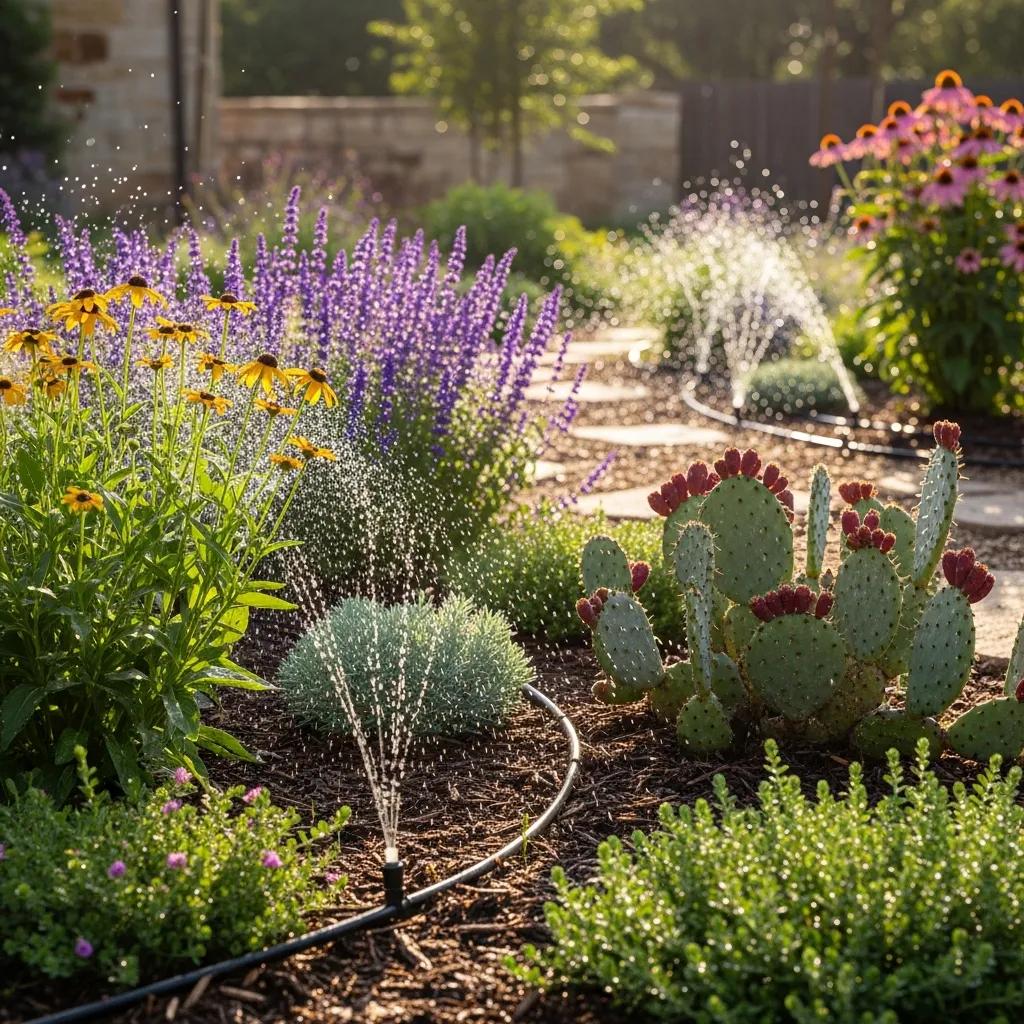
Smart irrigation controllers are devices designed to automate the watering of landscapes based on real-time data. They utilize various technologies, including weather-based adjustments and soil moisture sensors, to optimize irrigation schedules. This ensures that plants receive adequate water without overwatering, which can lead to waste and plant stress.
What is a smart irrigation controller and its key features?
A smart irrigation controller is an advanced system that adjusts watering schedules based on environmental conditions. Key features include weather-based adjustments, which use local weather data to determine when and how much to water, and soil moisture sensors that measure the moisture level in the soil. These features work together to create a more efficient watering system that conserves water and promotes healthier plants.
Indeed, the strategic use of soil moisture sensors has been shown to yield substantial reductions in both water and energy consumption.
Optimize Irrigation: 32% Water & Energy Savings with Sensors
In this study, the initial installation costs and energy consumption of photovoltaic irrigation systems were decreased by obtaining the soil moisture level as a reference for optimizing energy and water consumption in a solar-powered drip irrigation system. The data from 15 moisture sensors placed in the area covered by the system were collected by a central unit using radio transmission. Thus, daily energy and water consumption were decreased by 32 %, while the moisture rate in the soil was maintained within the desired range.
Optimization of soil moisture sensor placement for a PV-powered drip irrigation system using a genetic algorithm and artificial neural network, M Dursun, 2017
How do weather-based and soil moisture sensors optimize watering schedules?
Weather-based sensors collect data on rainfall, temperature, and humidity to adjust watering schedules accordingly. For instance, if rain is forecasted, the system can delay watering to prevent over-saturation. Soil moisture sensors, on the other hand, monitor the moisture levels in the soil, ensuring that watering only occurs when necessary. This combination of technologies leads to significant water savings and healthier landscapes.
Further research highlights the comprehensive benefits and components of weather-based irrigation scheduling.
Weather-Based Smart Irrigation: Benefits, Components, and Water Conservation
Weather-based irrigation scheduling (WBIS) represents a significant advancement in agricultural water management practices. This innovative approach utilizes local weather data, particularly evapotranspiration rates, to optimize irrigation schedules and thus facilitate efficient irrigation management based on crop water needs. Weather-based systems’ key components include collecting the weather data influencing water needs of crops, instruments, sources of weather data collection, a processing model, and automated controllers that adjust watering based on real-time conditions. By integrating these elements, weather-based irrigation not only conserves water and environment but also enhances crop yield and sustainability in agricultural practices.
Smart Weather-Based Irrigation Scheduling Technologies, 2025
Further studies emphasize the advanced capabilities of these systems, particularly the integration of soil moisture sensors and machine learning for optimal water management.
Advanced Smart Irrigation: Sensors, ML, & Water Conservation
This review book chapter delves into the transformative landscape of soil-based irrigation scheduling, with a focus on integrating cutting-edge technologies. It further explores the benefits of soil moisture sensors in irrigation management, including improved water-use efficiency, water conservation, and data-driven decision-making. Subsequently, the narrative shifts to machine learning (ML) in irrigation scheduling, delineating fundamental ML concepts, and their applications in optimizing water usage and crop yield. The abstract highlights how ML supports real-time decision-making, risk mitigation, precision irrigation, and optimization under uncertainty. The chapter concludes by underscoring the transformative potential of integrated irrigation management systems, offering a greener and more productive future for agriculture.
Optimization of soil-based irrigation scheduling through the integration of machine learning, remote sensing, and soil moisture sensor technology, T Ahamed, 2024
Another study further details how optimizing soil moisture sensor placement with AI can significantly reduce water and energy consumption.
Optimizing Drip Irrigation with Soil Moisture Sensors and AI for Water Savings
The initial installation costs and energy consumption of photovoltaic irrigation systems were decreased by obtaining the soil moisture level as a reference for optimizing energy and water consumption in a solar-powered drip irrigation system. The soil moisture was estimated via an artificial neural network. The locations of the moisture sensors were optimized using a genetic algorithm to provide optimum energy and water consumption. Daily energy and water consumption were decreased by 32 %, while the moisture rate in the soil was maintained within the desired range.
Optimization of soil moisture sensor placement for a PV-powered drip irrigation system using a genetic algorithm and artificial neural network, M Dursun, 2017
Building on these advancements, deep reinforcement learning offers an even more sophisticated approach to automated irrigation scheduling.
Deep Reinforcement Learning for Automated Irrigation Scheduling
Machine learning has been widely applied in many areas, with promising results and large potential. In this article, deep reinforcement learning-based irrigation scheduling is proposed. This approach can automate the irrigation process and can achieve highly precise water application that results in higher simulated net return. Using this approach, the irrigation controller can automatically determine the optimal or near-optimal water application amount. Traditional reinforcement learning can be superior to traditional periodic and threshold-based irrigation scheduling. However, traditional reinforcement learning fails to accurately represent a real-world irrigation environment due to its limited state space. Compared with traditional reinforcement learning, the deep reinforcement learning method can better model a real-world environment based on multi-dimensional observations. Simulations for various weather conditions and crop types show that the proposed deep reinforcement learning irrigation scheduling can increase net return.
Deep reinforcement learning-based irrigation scheduling, J Hu, 2020
What Are the Benefits of Using Smart Irrigation Systems?
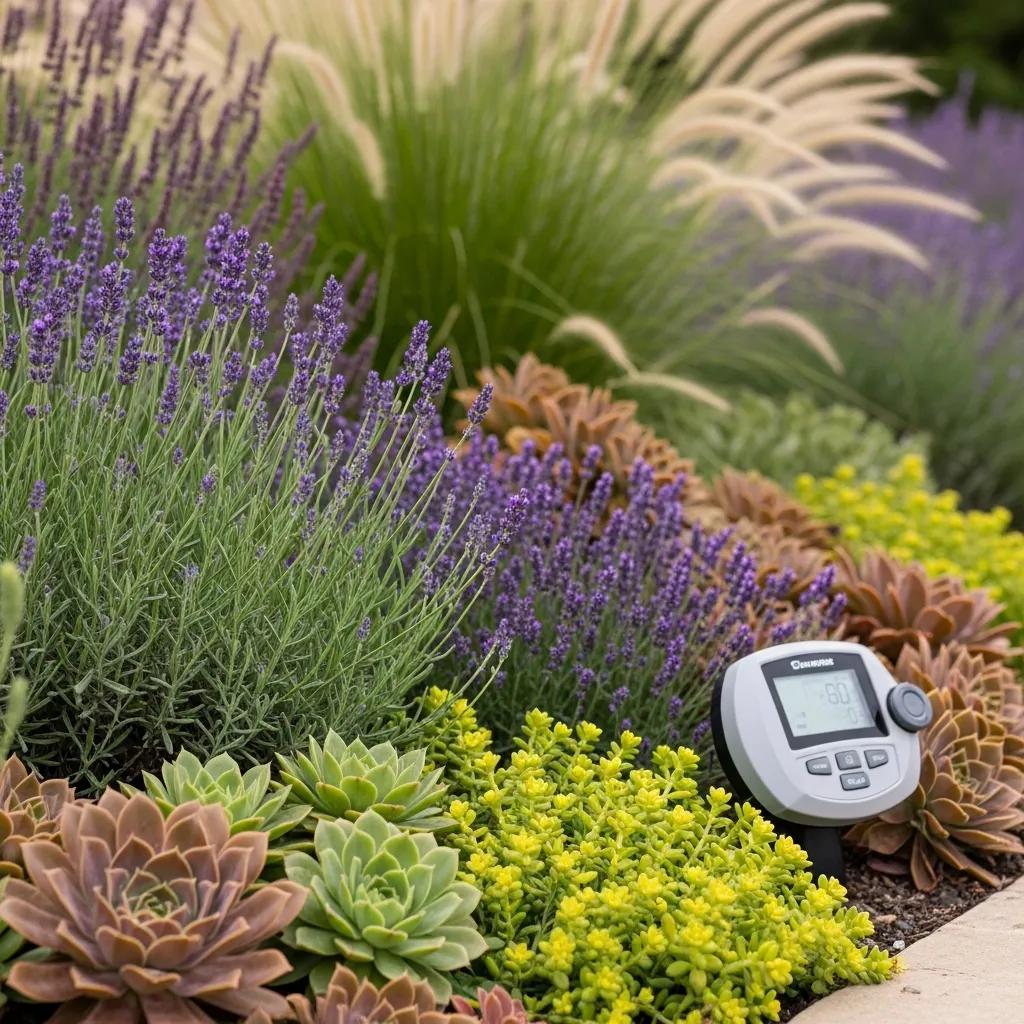
Smart irrigation systems offer numerous benefits that extend beyond just water conservation. They can lead to cost savings, improved landscape health, and increased convenience for homeowners.
How do smart controllers contribute to water conservation and cost savings?
By optimizing watering schedules, smart controllers can reduce water usage by 20% to 50%, depending on the system and local conditions. This not only conserves a vital resource but also translates to lower water bills for homeowners. Additionally, many municipalities offer rebates for installing smart irrigation systems, further enhancing the financial benefits.
Research further supports the significant impact of smart irrigation on water conservation and financial benefits.
Smart Irrigation: 51-63% Water Savings & Quick Payback
All tested smart irrigation technologies regulated irrigation based on real-time soil moisture and weather conditions.Treatments based on SMS, ET, or smartphone app applied less water than the comparison treatment by 51% to 63%, 28% to 66%, and 51% to 63%, respectively.The payback period for the different technologies ranged between 0 and 12 months.
Irrigation savings from smart irrigation technologies and a smartphone app on turfgrass, KW Migliaccio, 2020
In what ways do automated watering systems improve landscape health and convenience?
Automated watering systems ensure that plants receive consistent moisture, which is crucial for their health. This consistency helps prevent issues such as overwatering or underwatering, which can lead to plant stress or disease. Furthermore, the convenience of automated systems allows homeowners to spend less time managing their irrigation, freeing them to enjoy their outdoor spaces.
How Does Let Us Do It Landscaping Provide Expert Smart Irrigation Installation Services?
Let Us Do It Landscaping LLC specializes in the professional installation of smart irrigation systems. Our team is dedicated to ensuring that your irrigation system is set up correctly for optimal performance.
What is the professional installation process for smart sprinkler systems?
The installation process begins with a thorough assessment of your landscape and water needs. Our experts will design a customized irrigation plan that includes the placement of smart controllers, sensors, and sprinkler heads. Once the plan is approved, we will proceed with the installation, ensuring that all components are properly configured for maximum efficiency.
How does ongoing maintenance ensure optimal system performance?
Regular maintenance is essential for the longevity and effectiveness of your smart irrigation system. Our team offers ongoing support, including seasonal adjustments, system checks, and repairs as needed. This proactive approach ensures that your system continues to operate at peak performance, providing the best care for your landscape.
Which Smart Irrigation Controller Brands and Features Should You Consider?
When selecting a smart irrigation controller, it’s important to consider the features and brands that best meet your needs. Several leading brands offer unique functionalities that cater to different landscaping requirements.
What are the leading smart irrigation controller brands and their unique features?
Some of the top brands in the market include Rachio, RainMachine, and Orbit. Rachio is known for its user-friendly app and weather intelligence features, while RainMachine offers advanced scheduling options and integration with smart home systems. Orbit provides budget-friendly options with essential features for efficient watering.
How to choose the best controller for your property and smart home integration?
When choosing a smart irrigation controller, consider factors such as the size of your landscape, the types of plants you have, and your budget. Additionally, look for controllers that offer compatibility with smart home systems, allowing for seamless integration and control through your existing devices.
How Does Smart Irrigation Support Water-Efficient Landscape Design in North Texas?
In North Texas, where water conservation is crucial due to periodic droughts, smart irrigation plays a vital role in sustainable landscape design.
What is xeriscaping and how does it integrate with smart irrigation?

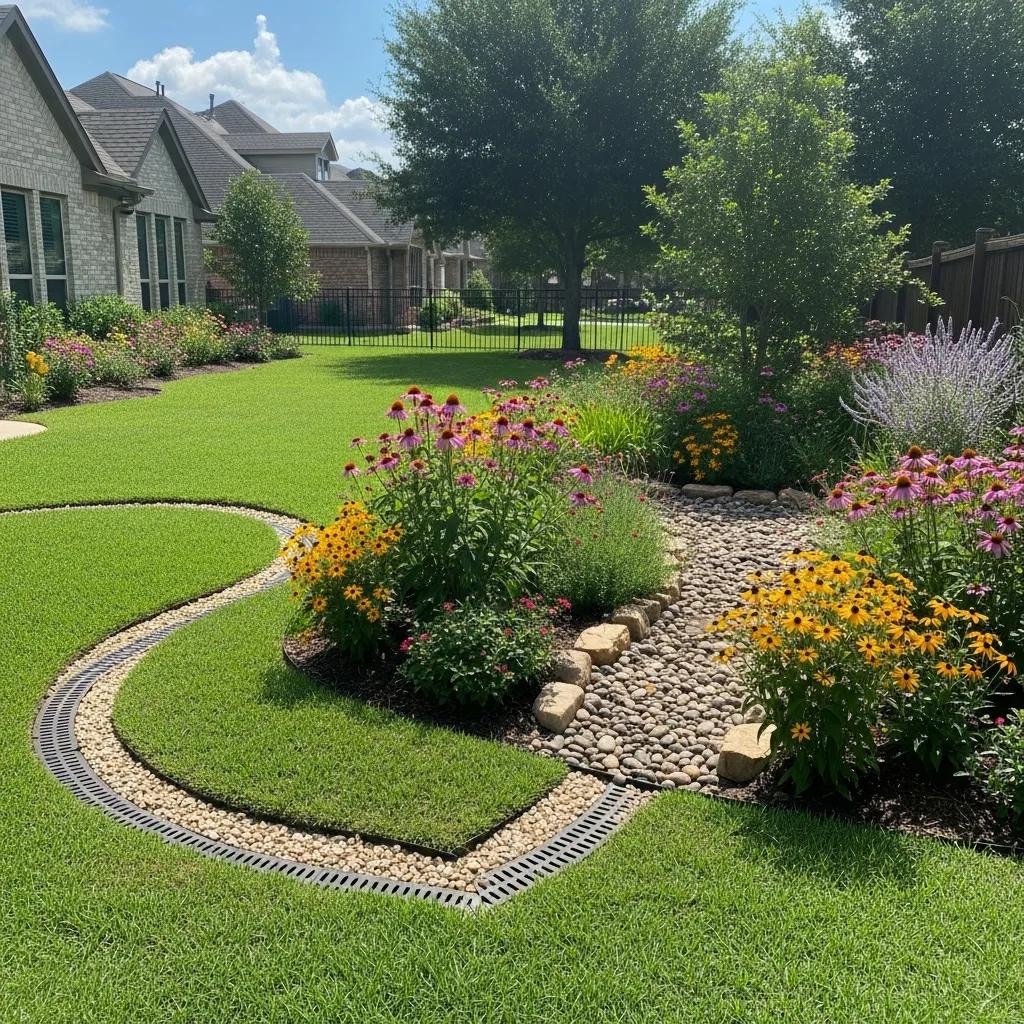
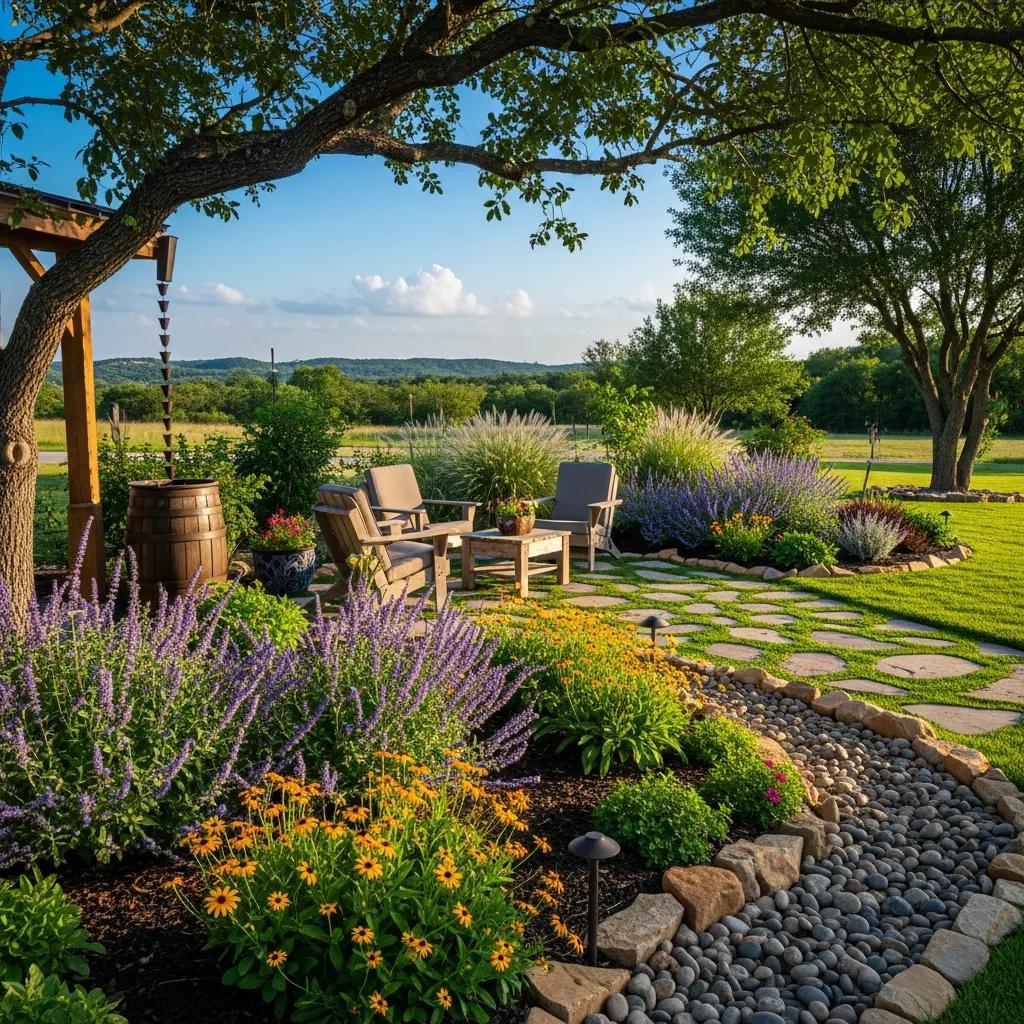
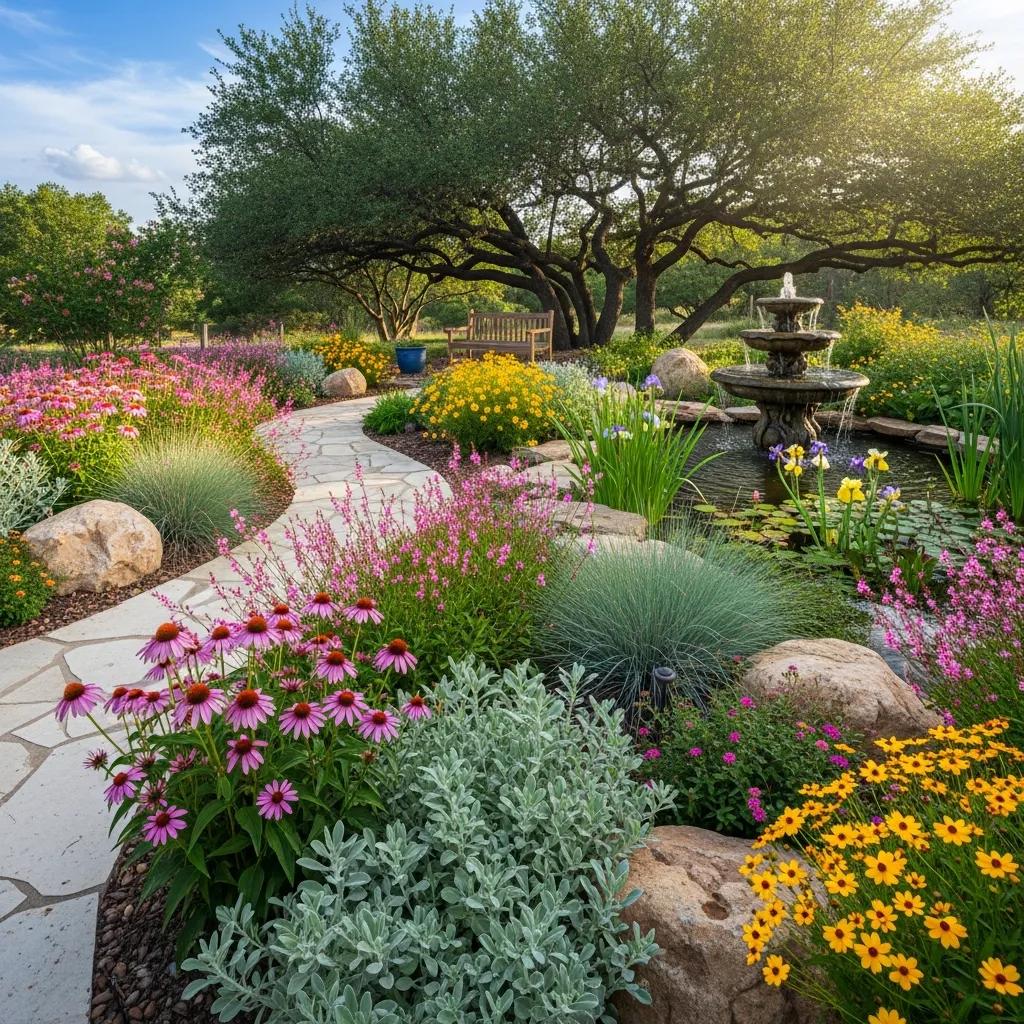
Xeriscaping is a landscaping approach that emphasizes water conservation through the use of drought-tolerant plants and efficient irrigation practices. Smart irrigation systems complement xeriscaping by ensuring that these plants receive the appropriate amount of water without waste, promoting a healthy and sustainable landscape.
How do smart systems address North Texas climate challenges for sustainable watering?
Smart irrigation systems are particularly effective in addressing the unique climate challenges of North Texas, such as high temperatures and variable rainfall. By utilizing real-time data, these systems can adjust watering schedules to meet the specific needs of your landscape, ensuring that plants thrive even in challenging conditions.
What Water Conservation Programs and Rebates Are Available for Smart Irrigation in Texas?
Texas offers various water conservation programs and rebates to encourage the adoption of smart irrigation systems.
Which local rebate programs support smart irrigation system installation?
Many municipalities in Texas provide rebate programs for homeowners who install smart irrigation systems. These programs often cover a portion of the installation costs, making it more affordable to upgrade to a water-efficient system. Check with your local water authority or city government for specific details on available rebates.
How do smart irrigation systems align with Texas water conservation initiatives?
Smart irrigation systems align with Texas’s broader water conservation initiatives by promoting efficient water use and reducing overall consumption. By adopting these technologies, homeowners contribute to state efforts to preserve water resources and protect the environment.
This table highlights some of the leading smart irrigation controller brands, their key features, and price ranges, helping homeowners make informed decisions when selecting a system.
Smart irrigation controllers are an essential investment for any homeowner looking to enhance their landscape while conserving water. By understanding the benefits, installation processes, and available options, you can make informed choices that lead to a healthier, more sustainable outdoor space. Let Us Do It Landscaping LLC is here to assist you in implementing these innovative solutions, ensuring your landscape thrives while minimizing water waste.