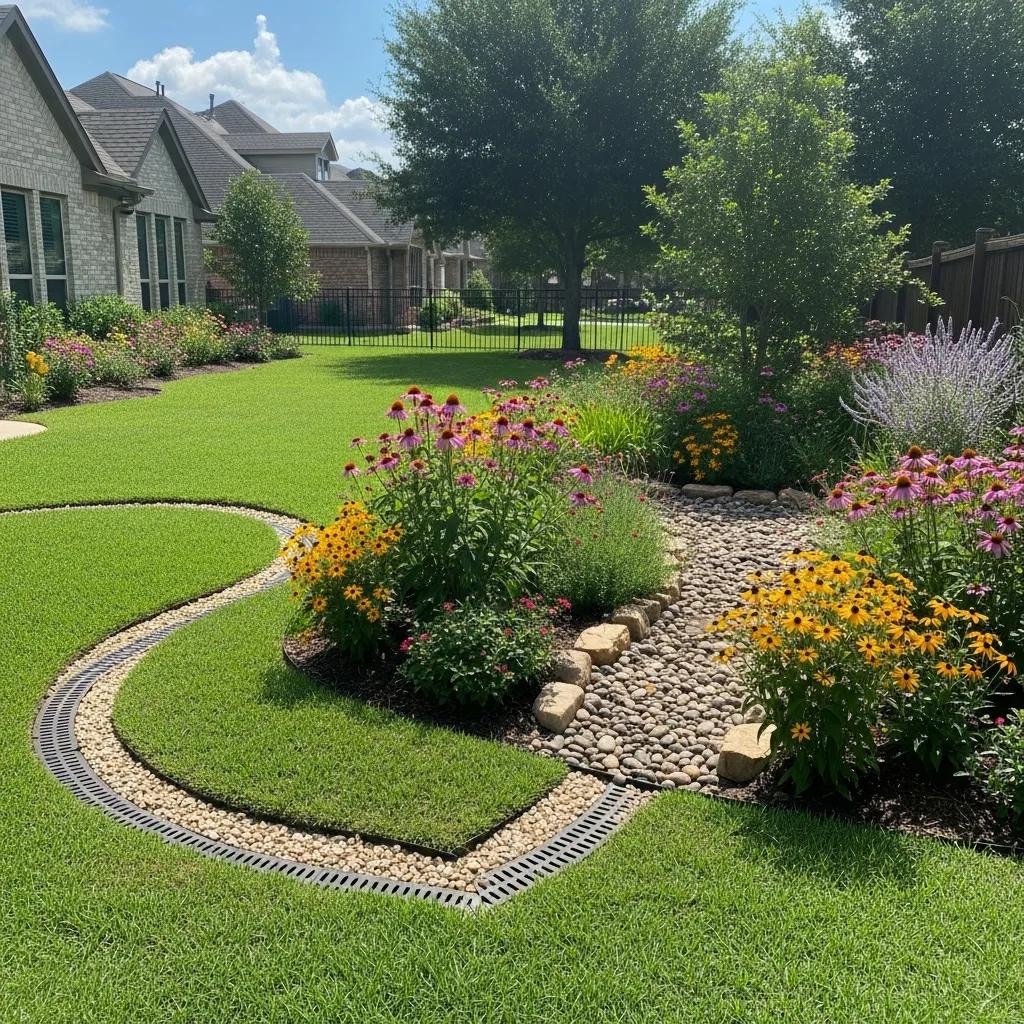
Yard Drainage Solutions: Identifying and Solving Common Yard Drainage Problems in North Texas
Yard drainage issues can lead to significant problems for homeowners, including waterlogged lawns, foundation damage, and even pest infestations. This article will explore how to identify and solve common yard drainage problems, particularly in the unique climate of North Texas. Understanding these issues is crucial for maintaining a healthy landscape and protecting your property. We will cover the signs of poor drainage, the causes behind these issues, effective solutions, and when to seek professional help. Additionally, we will discuss the costs associated with yard drainage installation and maintenance tips to prevent future problems.
What Are the Common Signs of Poor Yard Drainage?
Identifying poor yard drainage is essential for preventing further damage to your property. Common signs include standing water, soggy lawn spots, and erosion patterns. Recognizing these indicators early can help you address the issues before they escalate.
How to Recognize Standing Water and Soggy Lawn Spots
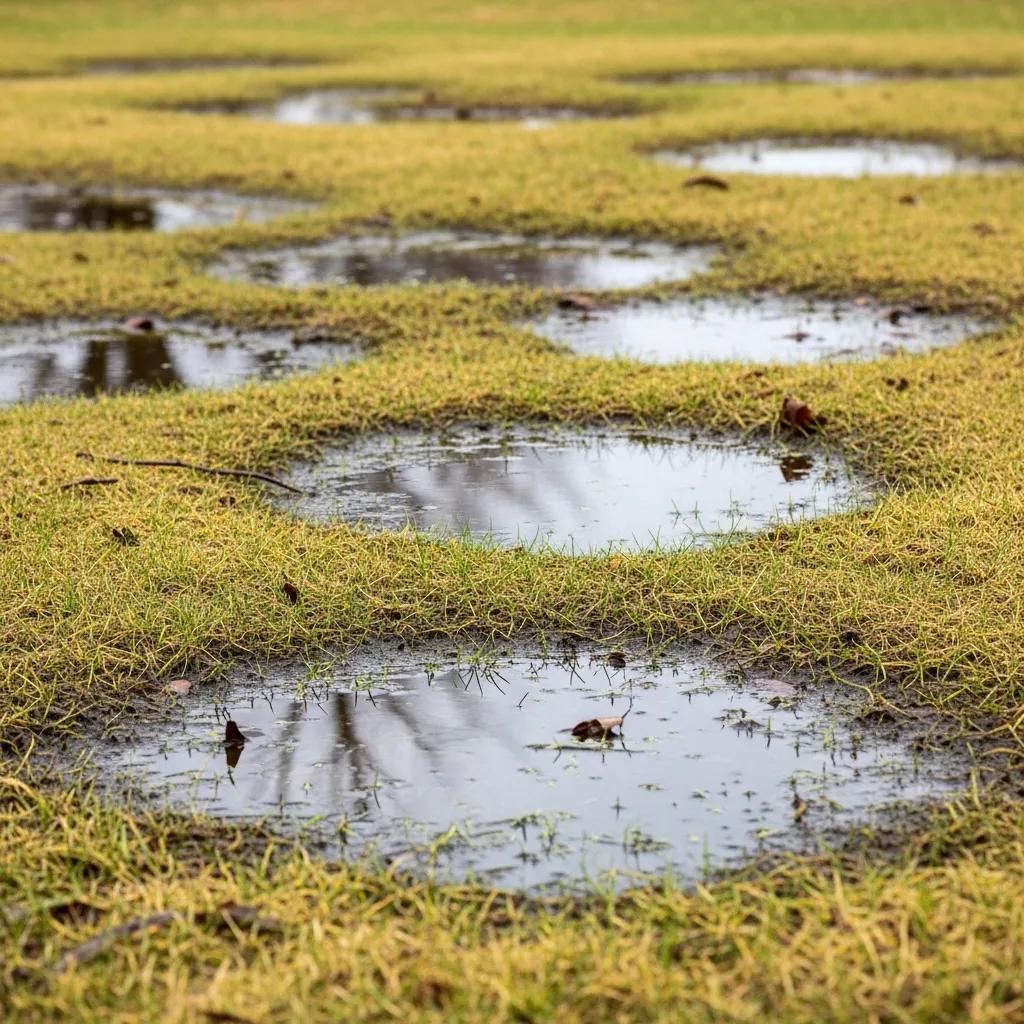
Standing water and soggy spots in your yard are clear indicators of drainage problems. These areas can lead to unhealthy grass and plant life, as excess moisture suffocates roots and promotes fungal growth. Look for puddles that persist for more than 24 hours after rainfall, especially in low-lying areas of your yard. Additionally, if you notice a musty smell or an increase in mosquito activity, these can also signal standing water issues.
What Erosion Patterns Indicate Yard Drainage Problems?
Erosion patterns in your yard can reveal underlying drainage issues. Common signs include exposed roots, uneven soil surfaces, and the formation of small gullies or rills. These patterns often result from excessive water runoff, which can wash away topsoil and damage your landscape. If you observe these signs, it’s crucial to investigate further to prevent long-term damage to your yard.
What Causes Poor Yard Drainage in North Texas?
Understanding the causes of poor yard drainage is vital for implementing effective solutions. In North Texas, factors such as improper grading, compacted soil, clay-heavy soil composition, and occasional heavy rainfall can contribute to drainage problems.
How Does Improper Yard Grading Affect Drainage?
Improper yard grading can significantly impact drainage effectiveness. If your yard slopes toward your home or has low spots, water will accumulate rather than flow away. Proper grading should direct water away from your foundation and into designated drainage areas. Homeowners should regularly assess their yard’s slope to ensure it promotes effective water flow, ideally with a minimum slope of 2% (about a 1/4 inch per foot) away from the foundation.
Why Is Compacted Soil a Drainage Problem?
Compacted soil is another common issue that affects drainage. When soil becomes compacted, it reduces the space between particles, making it difficult for water to penetrate. This can lead to surface runoff and standing water. To alleviate compaction, consider aerating your lawn and incorporating organic matter to improve soil structure and drainage. North Texas soils often have a high clay content, which naturally holds water and exacerbates drainage issues.
Which Yard Drainage Solutions Effectively Fix Common Problems?
There are several effective yard drainage solutions that can help address common drainage issues. These solutions include French drains, catch basins, and rain gardens, each designed to manage excess water effectively.
How Do French Drains Work to Redirect Excess Water?
French drains are a popular solution for redirecting excess water away from problem areas. They consist of a perforated pipe surrounded by gravel, which collects and channels water away from your yard. This system is particularly effective in areas prone to standing water, as it helps to prevent water accumulation and protect your landscape.
Further research emphasizes the versatility of French drains, even exploring their integration into residential driveways for comprehensive stormwater management.
Residential French Drain Driveway for Stormwater Control
By developing an easy-to-incorporate drainage system, a large portion of stormwater that would normally flow into the street can be contained within the property beneath the driveway. The goal is to design a system which can perform its double-duty of being a residential driveway as well as being a stormwater containment and infiltration system with enough void volume to accommodate most, if not all, rainstorm events.
Designing a Modular French Drain Driveway: Addressing the Impact of Stormwater Runoff from Residential Communities, 2004
What Are the Benefits of Rain Gardens and Swales?
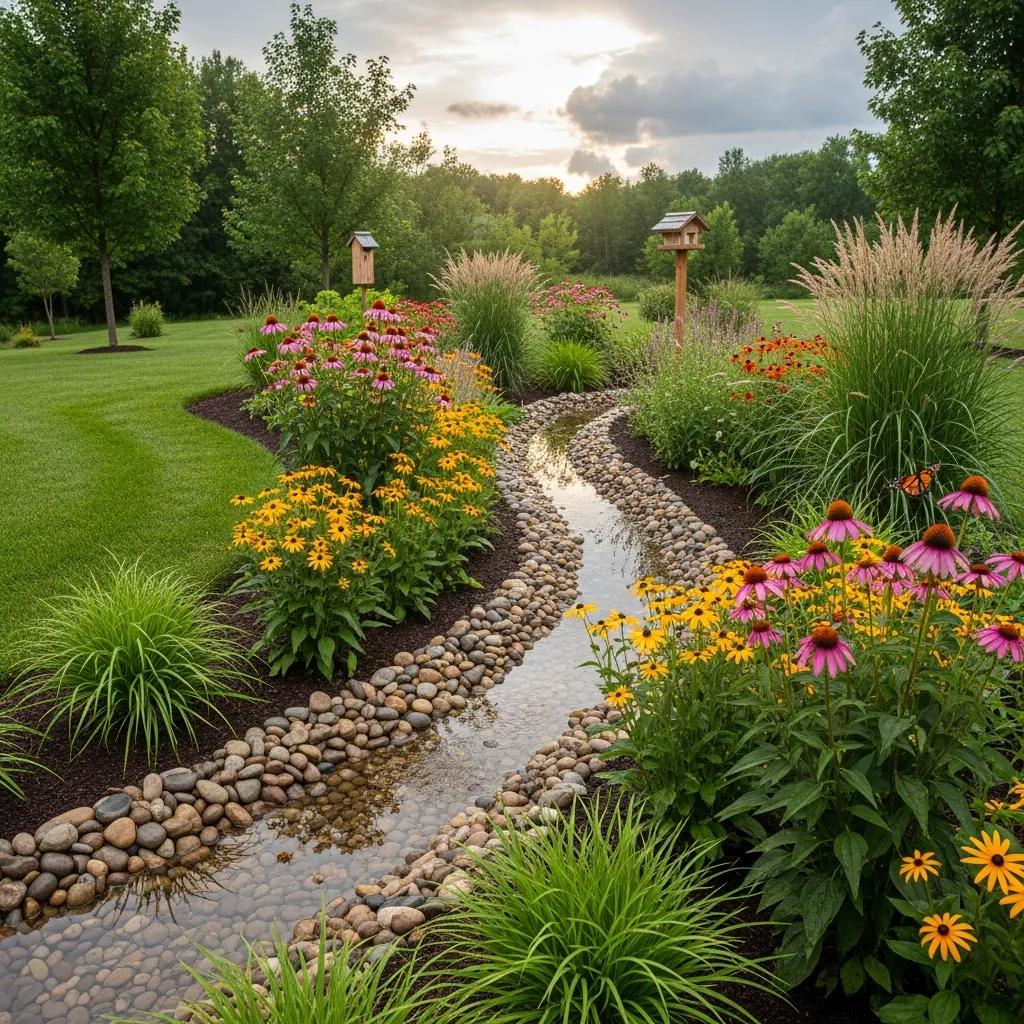
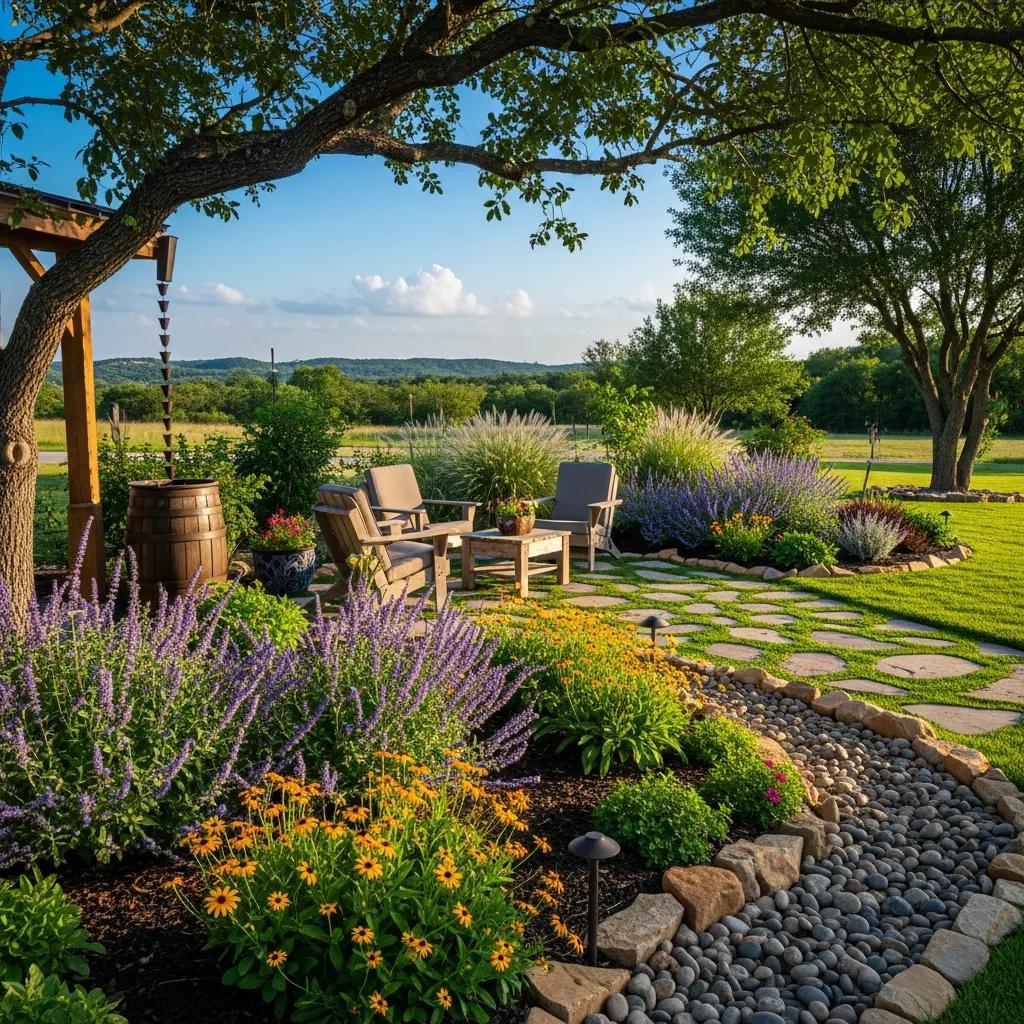
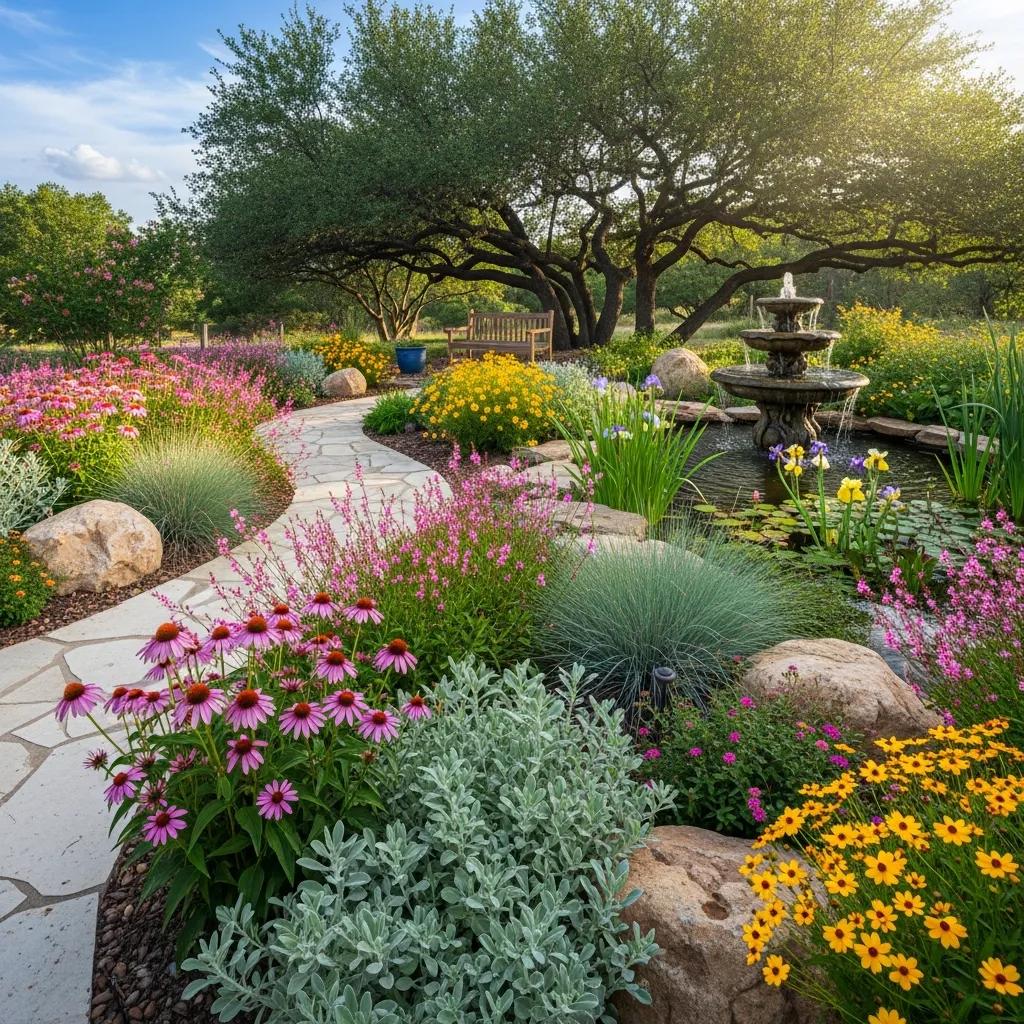
Rain gardens and swales are environmentally friendly solutions that can enhance your yard’s drainage. Rain gardens are designed to capture and absorb rainwater, while swales are shallow, vegetated channels that direct water flow. Both options help reduce runoff, improve water quality, and create attractive landscaping features. Implementing these solutions can significantly improve drainage while benefiting local ecosystems.
Indeed, effective stormwater management is a critical aspect of landscape architecture in the region, as highlighted by research on innovative practices.
North Texas Stormwater Management & Landscape Solutions
To address these detrimental impacts, storm water regulations have been authored on federal, state, and local levels, which include the use of low impact development techniques, integrated storm water management techniques, and structural (or built) storm water best management practices to reduce water quantity and improve water quality.
Innovative storm water best management practices: their influence on landscape architecture in North Texas, 2009
When Should You Choose Professional Drainage Services?
While many drainage issues can be addressed with DIY solutions, there are times when professional help is necessary. Understanding when to seek expert assistance can save you time and money in the long run.
What Are the Advantages of Professional Drainage Solutions?
Professional drainage services offer several advantages, including expertise, efficiency, and access to specialized equipment. Professionals can accurately assess your yard’s drainage needs and recommend tailored solutions that may not be apparent to the average homeowner. Additionally, their experience can help prevent costly mistakes during installation.
How Does Let Us Do It Landscaping Address Yard Drainage Problems?
Let Us Do It Landscaping LLC specializes in providing comprehensive drainage solutions tailored to the unique needs of North Texas homeowners. With a focus on sustainable practices, our team can design and implement effective drainage systems that protect your property from water damage. We offer services such as French drain installation and rain garden design, ensuring your yard remains healthy and vibrant.
How Much Does Yard Drainage Installation Cost in North Texas?
Understanding the costs associated with yard drainage installation is essential for budgeting effectively. Several factors can influence the overall price, including the size of the project and the type of solutions chosen.
What Factors Influence the Cost of Yard Drainage Solutions?
The cost of yard drainage solutions can vary based on several factors, including the complexity of the installation, the materials used, and the size of the area needing drainage. On average, homeowners in North Texas can expect to pay between $2,000 and $5,000 for professional drainage installations, depending on these variables.
How to Budget for Effective Yard Drainage Repairs?
When budgeting for yard drainage repairs, it’s essential to consider both immediate and long-term costs. Start by obtaining quotes from multiple contractors to compare prices and services. Additionally, factor in potential maintenance costs, as regular upkeep can help prevent future drainage issues and extend the life of your drainage system.
How Can You Maintain and Prevent Future Yard Drainage Problems?
Preventing future yard drainage problems requires ongoing maintenance and proactive landscaping strategies. By implementing these practices, homeowners can protect their properties from water-related issues.
What Are Essential Maintenance Tips for Drainage Systems?
Regular maintenance is crucial for ensuring the effectiveness of your drainage systems. Key maintenance tips include:
- Inspecting Drainage Systems: Regularly check for clogs or blockages in drains and gutters.
- Clearing Debris: Remove leaves, dirt, and other debris from drainage areas to ensure proper water flow.
- Monitoring Soil Conditions: Keep an eye on soil moisture levels and adjust watering practices accordingly.
How to Prevent Drainage Issues with Proper Landscaping?
Proper landscaping can significantly reduce the risk of drainage issues. Consider the following strategies:
- Choose Native Plants: Native plants are better adapted to local soil and climate conditions, promoting healthy drainage.
- Create Contours: Design your landscape with contours that direct water flow away from your home.
- Incorporate Mulch: Using mulch can help retain soil moisture while preventing erosion and runoff.
This table summarizes various drainage solutions and their benefits, helping homeowners make informed decisions about managing yard drainage effectively.