Sustainable Landscape Maintenance for Healthy North Texas Gardens: Expert Eco-Friendly Care and Water-Wise Solutions
Sustainable landscape maintenance is essential for creating healthy gardens in North Texas, where water conservation and ecological balance are critical. This article will explore the principles of sustainable landscaping, focusing on xeriscaping techniques, native plants, and eco-friendly lawn care practices. Readers will learn how to implement these strategies to enhance their gardens while promoting environmental health. As North Texas faces increasing drought conditions and variable rainfall patterns, adopting sustainable practices is not just beneficial but necessary for long-term garden vitality. We will cover the importance of sustainable landscaping, the benefits of xeriscaping, the best native plants for the region, and effective water conservation strategies.
What Is Sustainable Landscaping and Why Is It Essential for North Texas Gardens?
Sustainable landscaping refers to designing and maintaining gardens in a way that conserves resources, supports local ecosystems, and minimizes environmental impact. This approach is essential in North Texas, where water scarcity and extreme weather conditions challenge traditional gardening methods. By implementing sustainable practices, gardeners can create resilient landscapes that thrive despite these challenges.
Further emphasizing the importance of this approach, sustainable landscape management forms the very foundation for resilient outdoor spaces.
Foundations of Sustainable Landscape Management
The current interest in, and push for, sustainable landscape the foundation for sustainable landscapes. Although the focus is on commercial
Sustainable landscape management: design, construction, and maintenance, 2010
Defining Sustainable Landscaping and Its Benefits for Local Ecosystems
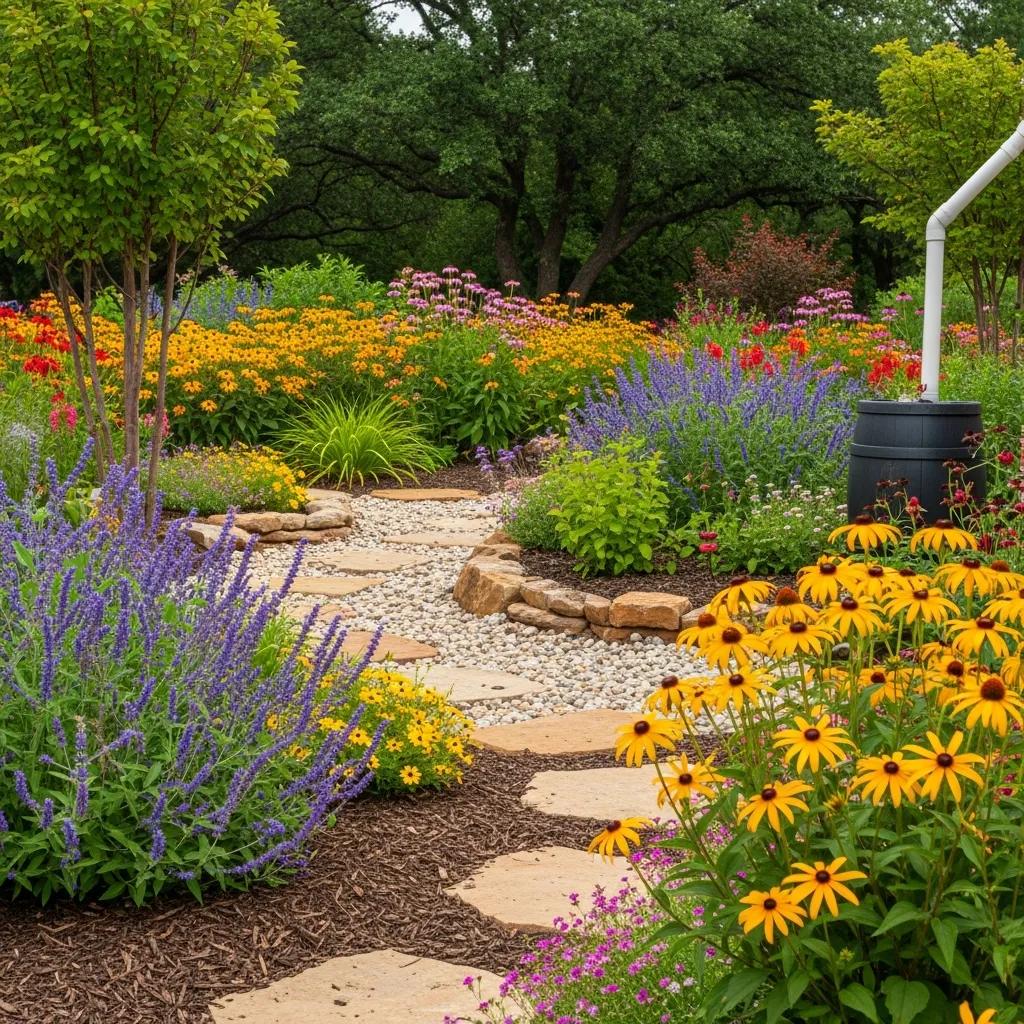
Sustainable landscaping encompasses various practices aimed at enhancing ecological health. This includes using native plants, reducing water usage, and minimizing chemical inputs. The benefits for local ecosystems are significant, as these practices promote biodiversity, improve soil health, and support wildlife habitats. For instance, native plants are adapted to local conditions, requiring less water and maintenance while providing food and shelter for native wildlife.
How Sustainable Practices Support Healthy, Drought-Resistant Gardens
Sustainable practices contribute to the health of gardens by promoting drought resistance. Techniques such as mulching, soil amendment, and the use of drought-tolerant plants help retain moisture and reduce the need for irrigation. Additionally, these practices improve soil structure and fertility, leading to healthier plants that can better withstand periods of low rainfall. By focusing on sustainability, gardeners can create landscapes that are not only beautiful but also resilient to the changing climate.
How Do Xeriscaping Techniques Enhance Water Conservation in North Texas?
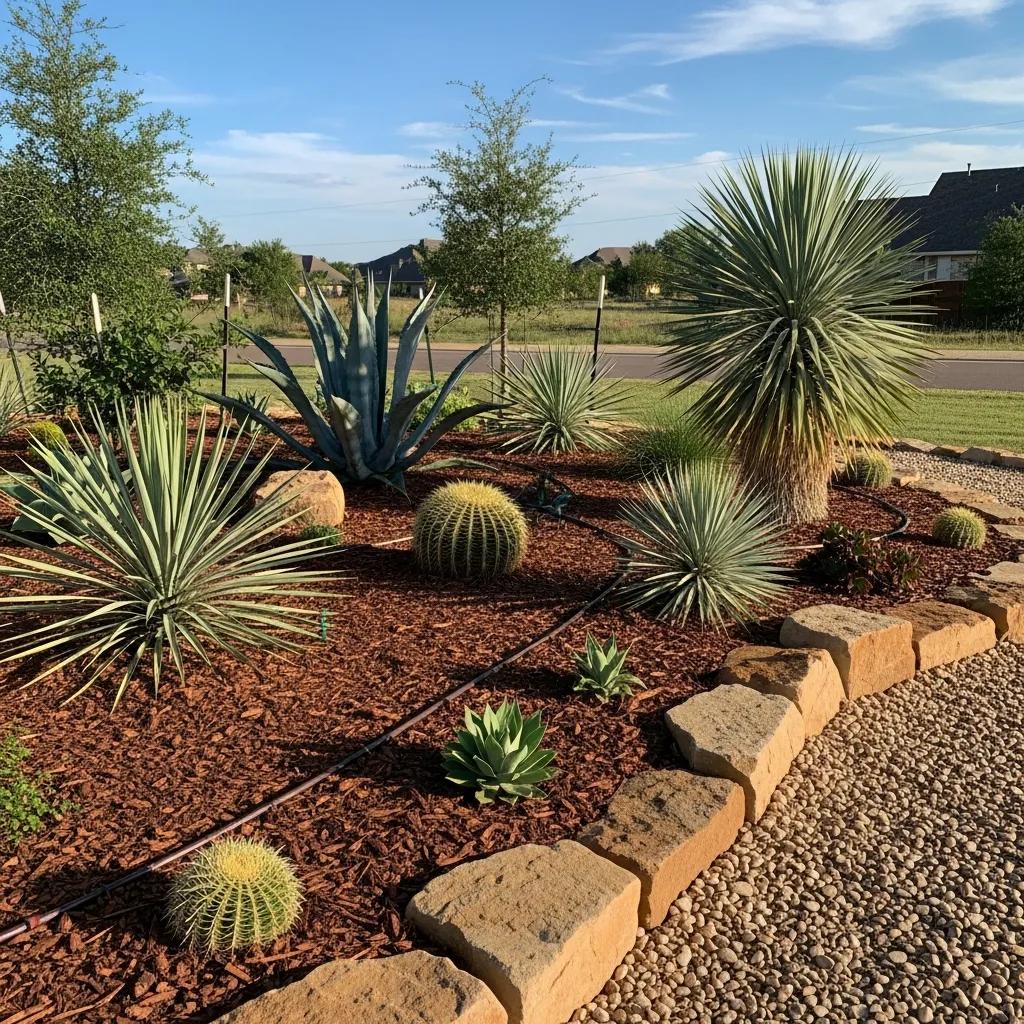
Xeriscaping is a landscaping method designed to reduce or eliminate the need for supplemental irrigation. This technique is particularly beneficial in North Texas, where water conservation is crucial. By incorporating xeriscaping principles, gardeners can create attractive landscapes that thrive on minimal supplemental water.
Key Principles of Xeriscape Design and Installation
The key principles of xeriscape design include selecting drought-tolerant plants, grouping plants with similar water needs, and using efficient irrigation methods. For example, incorporating native plants that are well-adapted to the local climate can significantly reduce water usage. Additionally, using mulch helps retain soil moisture and suppress weeds, further enhancing water conservation efforts.
Understanding the core tenets of xeriscaping is crucial for maximizing water efficiency in your garden, as highlighted by various resources.
Xeriscape Principles for Water-Efficient Landscaping
plants maintained with water-efficient practices. The seven water-saving principles of Xeriscape landscaping are These problems can be eliminated with proper watering techniques.
Xeriscape… Landscape Water Conservation, 2007
Seasonal Xeriscape Maintenance and Effective Weed Control
Maintaining a xeriscape involves specific seasonal tasks to ensure its effectiveness. Regularly checking for weeds and removing them promptly is essential, as they compete for water and nutrients. Seasonal mulching and proper pruning also play a vital role in maintaining the health of xeriscaped gardens. By following these maintenance practices, gardeners can ensure their xeriscapes remain vibrant and water-efficient throughout the year.
Which Native Plants Thrive in North Texas and How Should They Be Maintained?
Native plants are an integral part of sustainable landscaping in North Texas. They are adapted to the local climate and soil conditions, making them ideal for low-maintenance gardens.
Selecting the right native plants for your specific environmental conditions is a foundational step in creating a thriving, sustainable garden.
Native Plant Selection for Texas Gardens
By choosing those plants most suitable for the environmental conditions of your yard, you can have a The first step in the plant-selection process is to identify your zone from the map of
Landscaping with native plants of Texas, 2013
Top Drought-Tolerant Native Plants for Sustainable Gardens
- Blackfoot Daisy: A hardy perennial that blooms profusely and attracts pollinators.
- Texas Sage (Leucophyllum frutescens): Known for its beautiful purple flowers and ability to thrive in dry conditions.
- Lantana: While commonly used in North Texas landscapes and drought-tolerant, Lantana is not native to Texas but is naturalized in some areas. It is a colorful flowering plant that attracts butterflies.
These plants not only require less water but also support local wildlife, making them excellent choices for sustainable gardens.
Best Practices for Native Plant Care and Soil Health
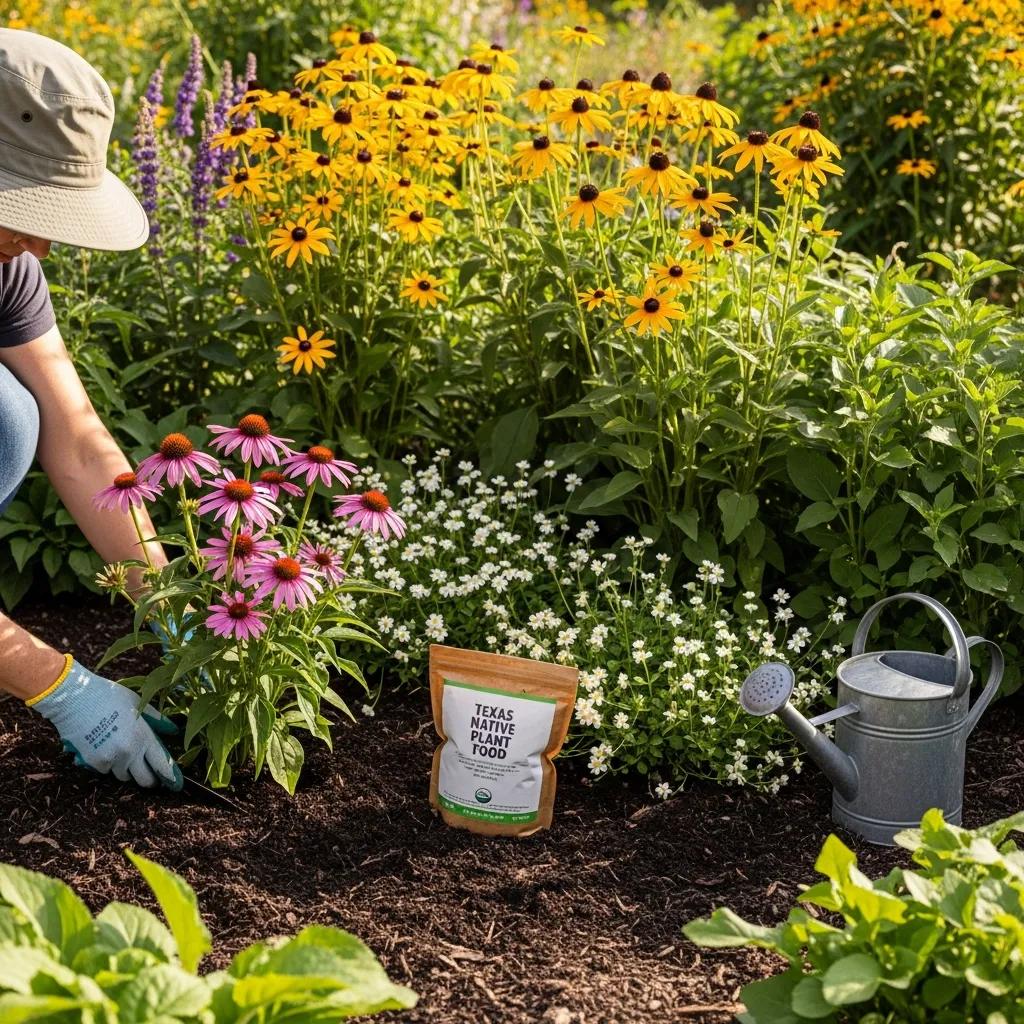
Caring for native plants involves understanding their specific needs. Regularly checking soil health and ensuring proper drainage are crucial for their success. Additionally, using organic fertilizers can enhance soil fertility without harming the environment. By following best practices for native plant care, gardeners can create thriving ecosystems that contribute to the overall health of their landscapes.
What Eco-Friendly Lawn Care Practices Promote Healthy Gardens in North Texas?
Eco-friendly lawn care practices are essential for maintaining healthy gardens while minimizing environmental impact. These practices focus on using natural methods to promote lawn health and reduce chemical usage.
Organic Fertilizers and Integrated Pest Management Strategies
Using organic fertilizers is a key component of eco-friendly lawn care. These fertilizers improve soil health and provide essential nutrients without the harmful effects of synthetic chemicals. Additionally, integrated pest management (IPM) strategies help control pests through natural means, such as introducing beneficial insects or using organic repellents. This holistic approach not only protects the garden but also supports the surrounding ecosystem.
Sustainable Alternatives to Traditional Lawn Maintenance
Sustainable alternatives to traditional lawn maintenance include practices such as reducing mowing frequency and allowing grass to grow taller. This not only conserves energy but also promotes deeper root growth, making lawns more drought-resistant. Additionally, incorporating clover or other ground covers can reduce the need for mowing and provide habitat for beneficial insects.
How Can Water Conservation Strategies Be Implemented for Sustainable Garden Maintenance?
Implementing effective water conservation strategies is vital for sustainable garden maintenance, especially in regions like North Texas where water is a limited resource.
Smart Irrigation Systems and Rainwater Harvesting Techniques
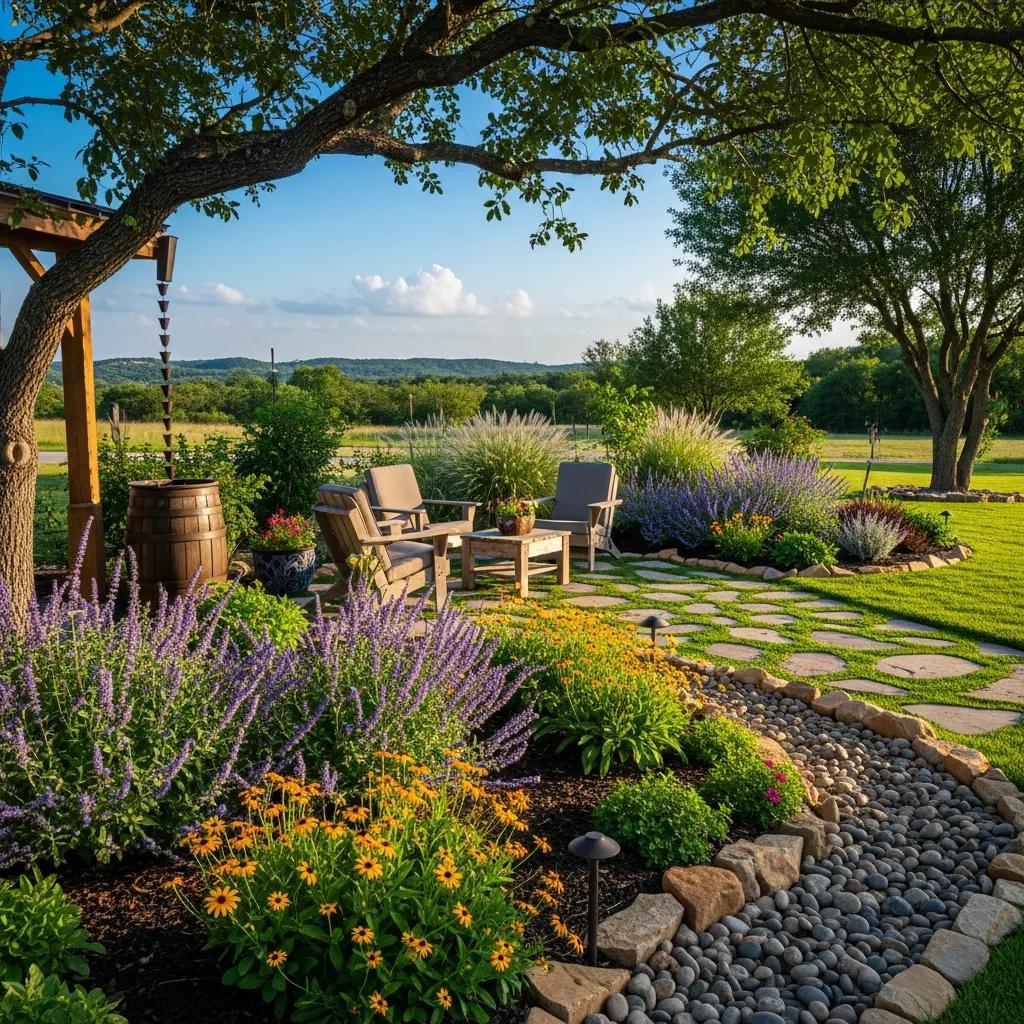
Smart irrigation systems utilize technology to optimize water usage, ensuring that plants receive the right amount of water at the right time. Rainwater harvesting techniques, such as installing rain barrels, allow gardeners to collect and store rainwater for later use. These methods not only conserve water but also reduce reliance on municipal water supplies.
Designing Water-Wise Gardens for Long-Term Sustainability
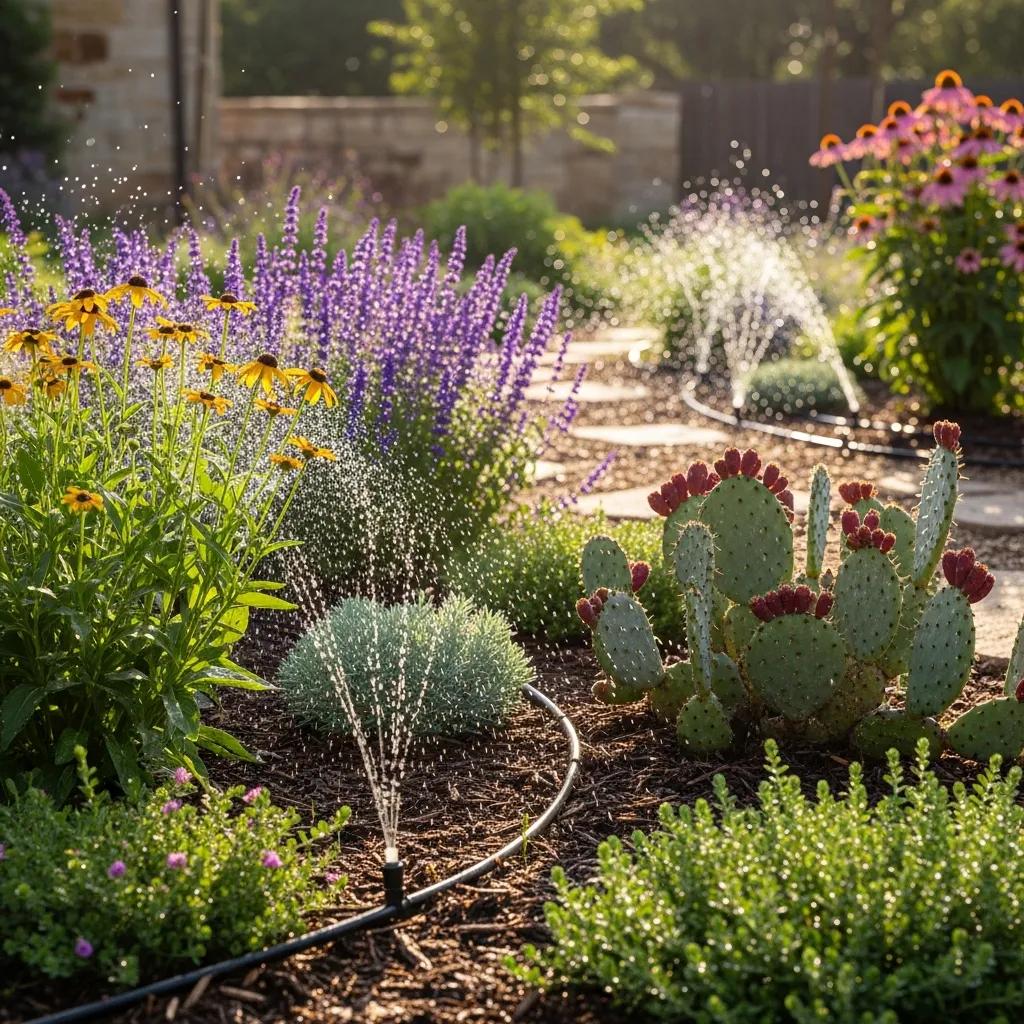
Designing water-wise gardens involves selecting plants that thrive in dry conditions and arranging them in a way that maximizes water efficiency. Grouping plants with similar water needs and incorporating hardscapes like gravel or stone can help reduce evaporation and runoff. By focusing on water-wise design, gardeners can create sustainable landscapes that require minimal supplemental irrigation.
What Seasonal Maintenance Tasks Ensure Year-Round Garden Health in North Texas?
Seasonal maintenance tasks are crucial for ensuring the health and vitality of gardens throughout the year. By following a seasonal maintenance schedule, gardeners can address the specific needs of their plants and landscapes.
Spring Preparation and Soil Enrichment Methods
In spring, preparing the garden involves tasks such as soil testing and enrichment. Adding organic matter, such as compost, can improve soil structure and fertility, providing a healthy foundation for plant growth. Additionally, early spring is an ideal time to plant new native species that will thrive throughout the growing season.
Summer Drought Management and Fall Cleanup Practices
During the summer, managing drought conditions is essential. This includes monitoring soil moisture levels and adjusting irrigation practices accordingly. In the fall, cleanup practices such as removing dead plant material and mulching can help protect plants during the winter months. These seasonal tasks ensure that gardens remain healthy and vibrant year-round.
Implementing these water conservation techniques can significantly enhance the sustainability of gardens in North Texas, ensuring they thrive even in challenging conditions.
By understanding the care requirements of native and well-adapted plants, gardeners can create sustainable landscapes that are both beautiful and beneficial to the environment.