Environmental Benefits of Xeriscaping for a Sustainable Future: How Water Conservation and Biodiversity Drive Sustainable Landscape Design
Xeriscaping is an innovative landscaping approach that emphasizes water conservation and sustainability, making it increasingly relevant in today’s climate-conscious society. This article explores the environmental benefits of xeriscaping, focusing on how it conserves water and enhances biodiversity. As water scarcity becomes a pressing issue, understanding the principles of xeriscaping can provide effective solutions for sustainable landscape design. Readers will learn about the key techniques that make xeriscaping effective, the role of drought-tolerant plants, and how these practices contribute to healthier ecosystems. We will also discuss the economic advantages of xeriscaping, making it a practical choice for homeowners and businesses alike. The following sections will delve into the water conservation techniques, biodiversity enhancement, soil health improvement, climate resilience, and the economic and aesthetic benefits of sustainable xeriscaping.
This perspective is echoed by research highlighting xeriscaping’s origins and its foundational role in sustainable urban development.
Xeriscaping: Sustainable Landscaping with Drought-Tolerant Plants
Urban green spaces play a crucial role in improving environmental quality, mitigating climate change impacts, and enhancing the well-being of city inhabitants. However, water scarcity caused by global warming, population growth, pollution, and unsustainable irrigation practices increasingly threatens the sustainability of conventional landscaping models. The use of turfgrass and non-native species with high water requirements has amplified this pressure, often resulting in degraded and visually unappealing urban landscapes during summer droughts.Xeriscaping, a concept developed in the early 1980s in Denver, USA, represents a sustainable landscaping approach based on water-efficient planning, the use of drought-tolerant plants, soil conservation techniques, and reduced maintenance inputs.
XERISCAPING–SMART LANDSCAPING WITH INDIGENOUS PLANTS ADAPTED TO DROUGHT, P Camen-Comănescu, 2025
How Does Xeriscaping Achieve Significant Water Conservation in Sustainable Landscapes?
Xeriscaping achieves significant water conservation through a variety of techniques designed to minimize water usage while maintaining a vibrant landscape. By implementing strategies such as efficient irrigation systems, hydrozoning, and the use of drought-tolerant plants, xeriscaping can dramatically reduce outdoor water consumption. These methods not only conserve water but also promote sustainable landscaping practices that benefit the environment. Understanding these techniques is crucial for anyone looking to create a water-efficient landscape.
What Are the Key Water-Saving Techniques in Xeriscape Design?
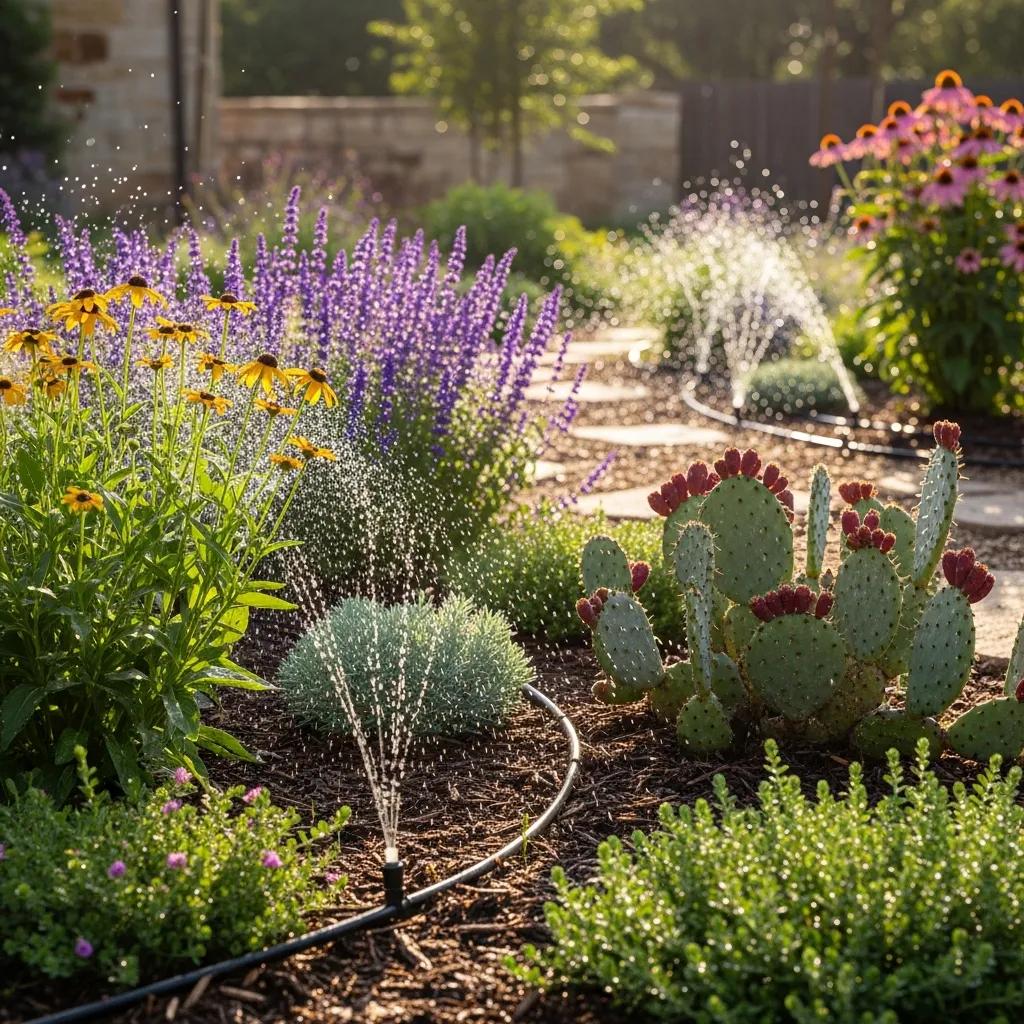
- Drip Irrigation: This method delivers water directly to the plant roots, minimizing evaporation and runoff.
- Hydrozoning: Grouping plants with similar water needs together allows for more efficient watering practices.
- Mulching: Applying mulch around plants helps retain soil moisture and reduces the need for frequent watering.
These techniques collectively contribute to a significant reduction in water usage, making xeriscaping an effective solution for sustainable landscaping.
Further studies reinforce how these integrated design principles are crucial for effective urban water management and achieving broader ecosystem benefits.
Xeriscaping for Sustainable Urban Water Management & Ecosystem Benefits
Urban water stress is intensifying under climate change, rapid urbanization, and increasing climate variability. Outdoor landscape irrigation—especially turf-dominated and high-water-demand planting—constitutes a substantial and often discretionary component of municipal water use, making it a critical target for demand-side water management. Xeriscape (drought-adaptive landscaping) provides an integrated design-and-management framework to reduce irrigation demand through climate-appropriate planning, hydro zoning, soil improvement, mulching, efficient irrigation, and maintenance practices. This review synthesizes international and Turkish evidence on xeriscape within sustainable urban water management and water-sensitive city (WSC) agendas. Following a scoping-review logic and thematic synthesis (Arksey & O’Malley, 2005; Peters et al., 2020), we examine foundational principles, performance evidence (water savings, costs, ecosystem co-benefits), enabling technologies and standa
Evaluation of The Xeriscape Approach in The Context of Sustainable Water Management, 2025
How Do Drought-Tolerant Plants Reduce Outdoor Water Usage?
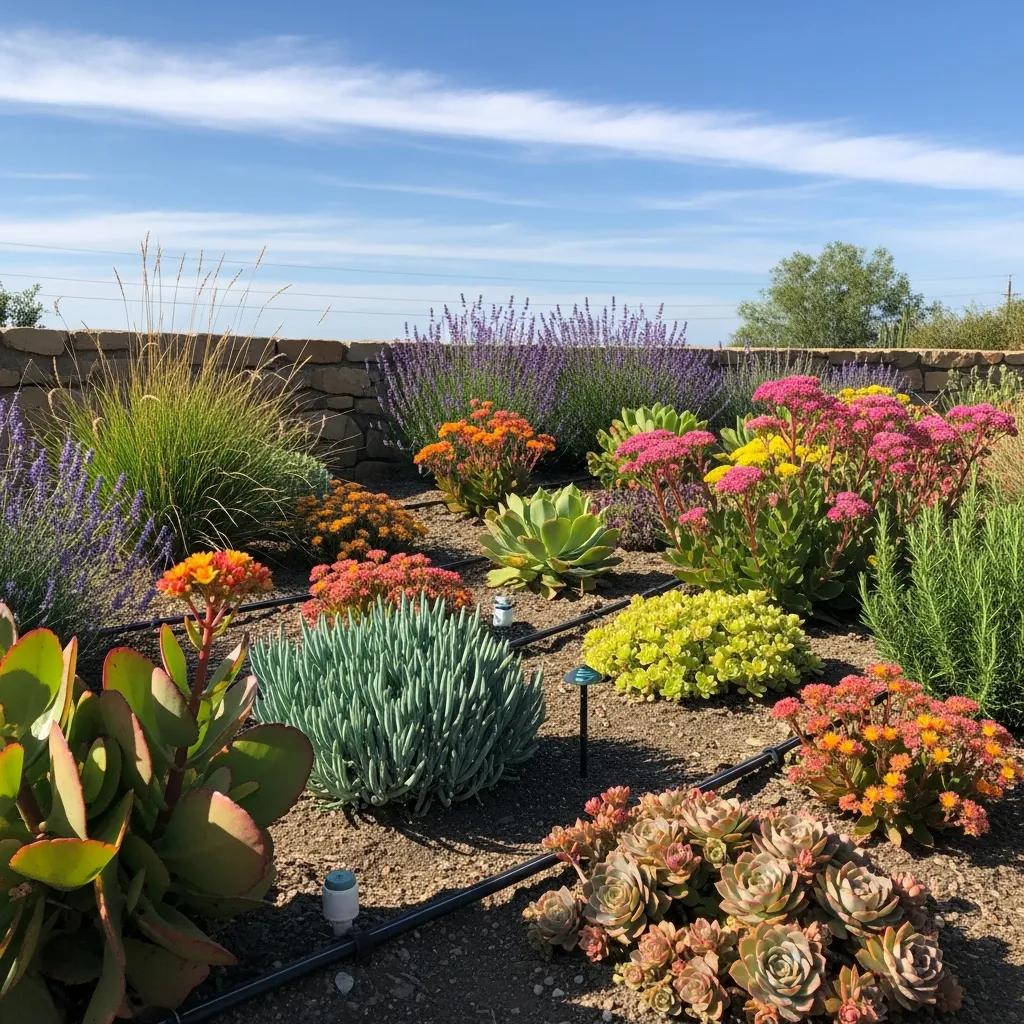
Drought-tolerant plants play a vital role in reducing outdoor water usage by requiring less water to thrive. These plants are adapted to survive in arid conditions, making them ideal for xeriscaping. Examples include native species such as succulents, agaves, and certain grasses that have evolved to withstand prolonged dry periods. By incorporating these plants into a landscape, homeowners can significantly decrease their reliance on irrigation, leading to lower water bills and a more sustainable environment.
In What Ways Does Xeriscaping Enhance Biodiversity and Support Local Ecosystems?
Xeriscaping not only conserves water but also enhances biodiversity and supports local ecosystems. By using native plants and creating habitats that attract wildlife, xeriscaping fosters a balanced ecosystem that benefits both flora and fauna. This approach encourages the growth of pollinator populations and other beneficial species, contributing to a healthier environment.
Which Native Plants Promote Wildlife Habitat and Pollinator Health?
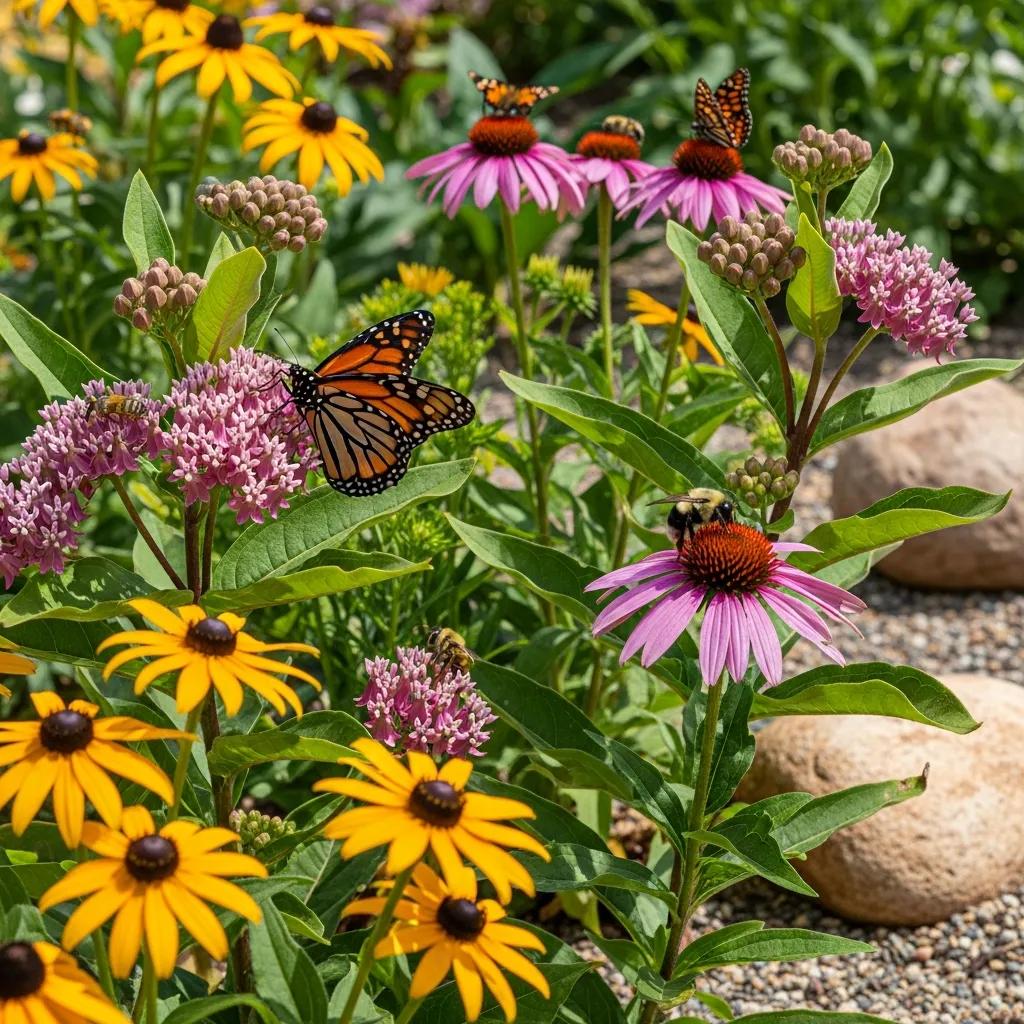
- Milkweed: Attracts monarch butterflies and other pollinators.
- Coneflower: Provides nectar for bees and butterflies.
- Black-eyed Susan: Offers seeds for birds and attracts various insects.
These plants not only support local wildlife but also require less maintenance and water, making them ideal for xeriscaping.
Research consistently supports the strategic use of specific plant species to enhance pollinator habitats and overall biodiversity within landscapes.
Enhancing Pollinator Biodiversity with Strategic Wildflower Plantings
Wild pollinators have a positive impact on the productivity of insect-pollinated crops. Consequently, landowners are being encouraged to maintain and grow wildflower patches to provide habitat for important pollinators. Research on plant-pollinator interaction matrices indicates that a small number of “core” plants provide a disproportionately high amount of pollen and nectar to insects. This matrix data can be used to help design wildflower plantings that provide optimal resources for desirable pollinators.
Identification of plant species for crop pollinator habitat enhancement in the northern prairies, DB Robson, 2014
How Does Xeriscaping Create Thriving Habitats for Texas Wildlife?
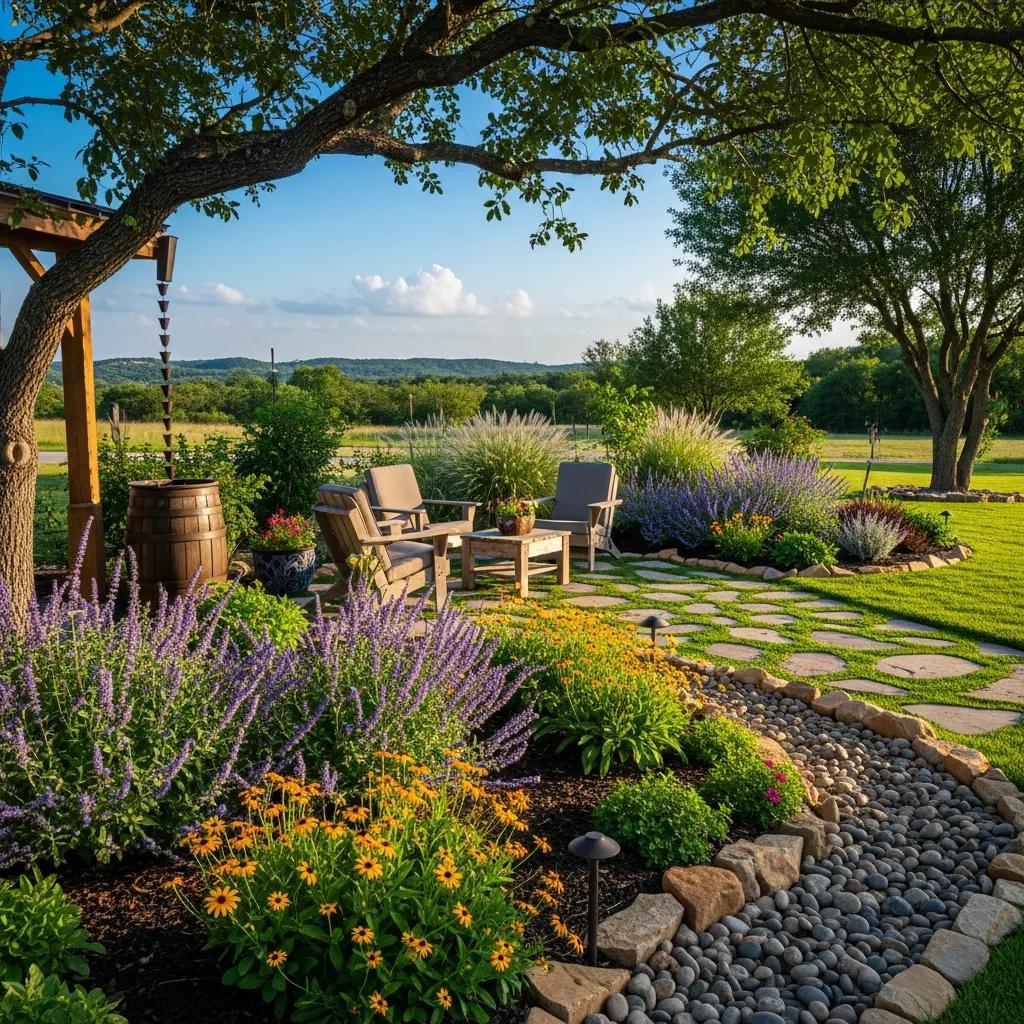
In Texas, xeriscaping can create thriving habitats for local wildlife by incorporating native plants that provide food and shelter. For instance, landscapes designed with a variety of native shrubs and flowers can attract birds, butterflies, and beneficial insects. This biodiversity not only enhances the beauty of the landscape but also contributes to the overall health of the ecosystem, making xeriscaping a valuable practice for environmental conservation.
How Does Xeriscaping Improve Soil Health and Minimize Environmental Pollution?
Xeriscaping improves soil health and minimizes environmental pollution through practices that enhance soil quality and reduce chemical usage. By focusing on organic methods and sustainable practices, xeriscaping promotes a healthier environment.
What Role Does Mulching Play in Soil Moisture Retention and Erosion Control?
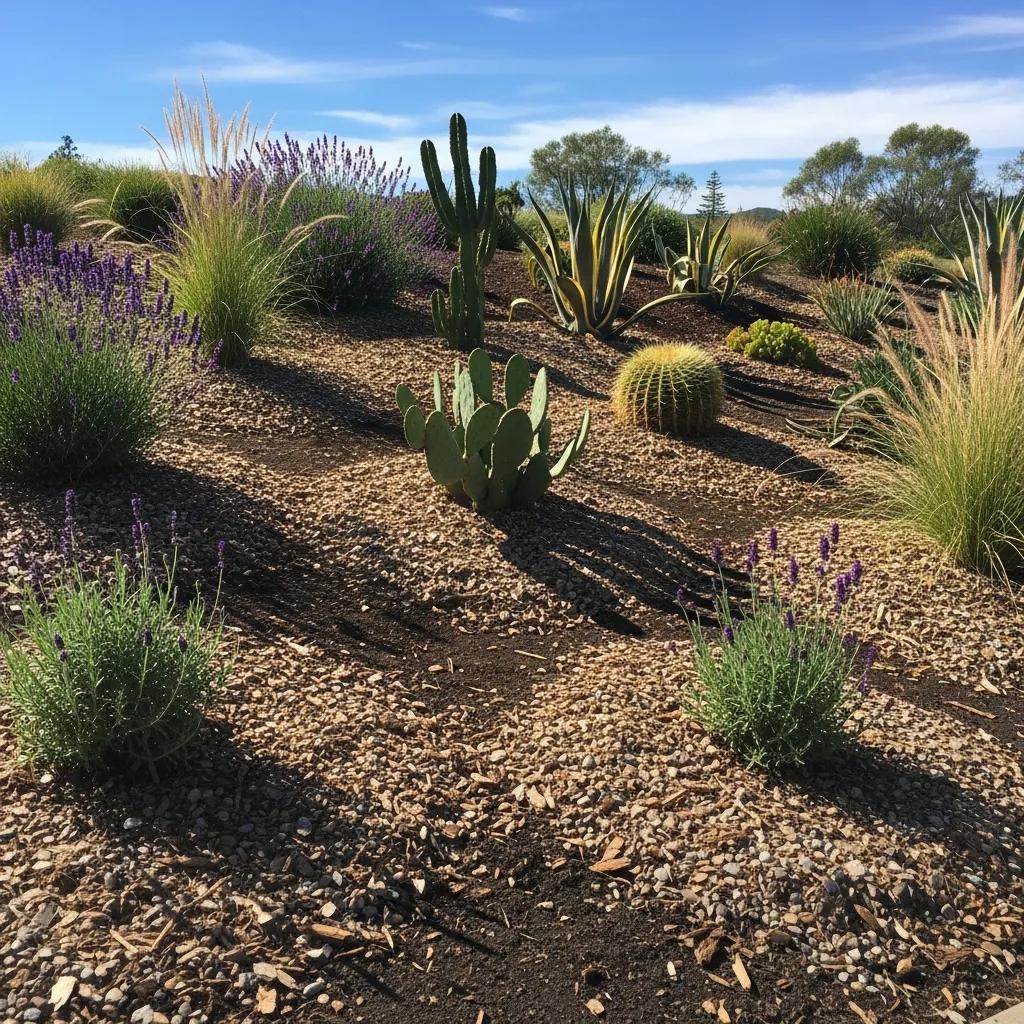
- Retain Moisture: Reduces evaporation and keeps the soil moist for longer periods.
- Control Erosion: Prevents soil erosion by protecting the soil surface from wind and water runoff.
- Suppress Weeds: Limits weed growth, reducing the need for chemical herbicides.
These benefits contribute to healthier soil and a more sustainable landscape.
How Does Xeriscaping Reduce the Need for Chemical Fertilizers and Pesticides?
Xeriscaping reduces the need for chemical fertilizers and pesticides by promoting the use of native plants that are naturally adapted to the local environment. These plants typically require fewer inputs to thrive, leading to a decrease in chemical usage. Additionally, practices such as composting and organic mulching enhance soil fertility naturally, further minimizing the need for synthetic fertilizers. This approach not only protects the environment but also promotes healthier ecosystems.
What Is Xeriscaping’s Role in Building Climate Resilience for a Sustainable Future?
Xeriscaping plays a crucial role in building climate resilience by adapting landscapes to withstand extreme weather conditions, such as droughts and heatwaves. By utilizing water-efficient practices and drought-tolerant plants, xeriscaping helps communities prepare for the impacts of climate change.
How Does Xeriscaping Help Adapt to Drought and Extreme Weather Conditions?
Xeriscaping helps adapt to drought and extreme weather conditions by creating landscapes that require minimal water. The use of drought-tolerant plants and efficient irrigation systems ensures that landscapes remain vibrant even during dry spells. This adaptability is essential for maintaining ecological balance and supporting local wildlife during challenging climatic conditions.
Can Xeriscaping Mitigate Urban Heat Island Effects in Texas Communities?
In Texas, xeriscaping can mitigate urban heat island effects by incorporating vegetation that cools the surrounding environment. Green spaces created through xeriscaping can lower surface temperatures, improve air quality, and enhance the overall livability of urban areas. By reducing the heat generated by concrete and asphalt, xeriscaping contributes to more sustainable and comfortable communities.
What Are the Economic and Aesthetic Advantages of Sustainable Xeriscaping?
Sustainable xeriscaping offers numerous economic and aesthetic advantages that make it an appealing choice for homeowners and businesses. By reducing water usage and maintenance costs, xeriscaping can lead to significant savings over time.
How Does Xeriscaping Lower Water Bills and Maintenance Costs?
Xeriscaping lowers water bills and maintenance costs by utilizing drought-tolerant plants and efficient irrigation systems. Homeowners can expect to see a reduction in their water usage, leading to lower monthly bills. Additionally, the low-maintenance nature of xeriscaped landscapes means less time and money spent on upkeep, making it a cost-effective choice for property owners.
In What Ways Does Xeriscaping Increase Property Value and Visual Appeal?
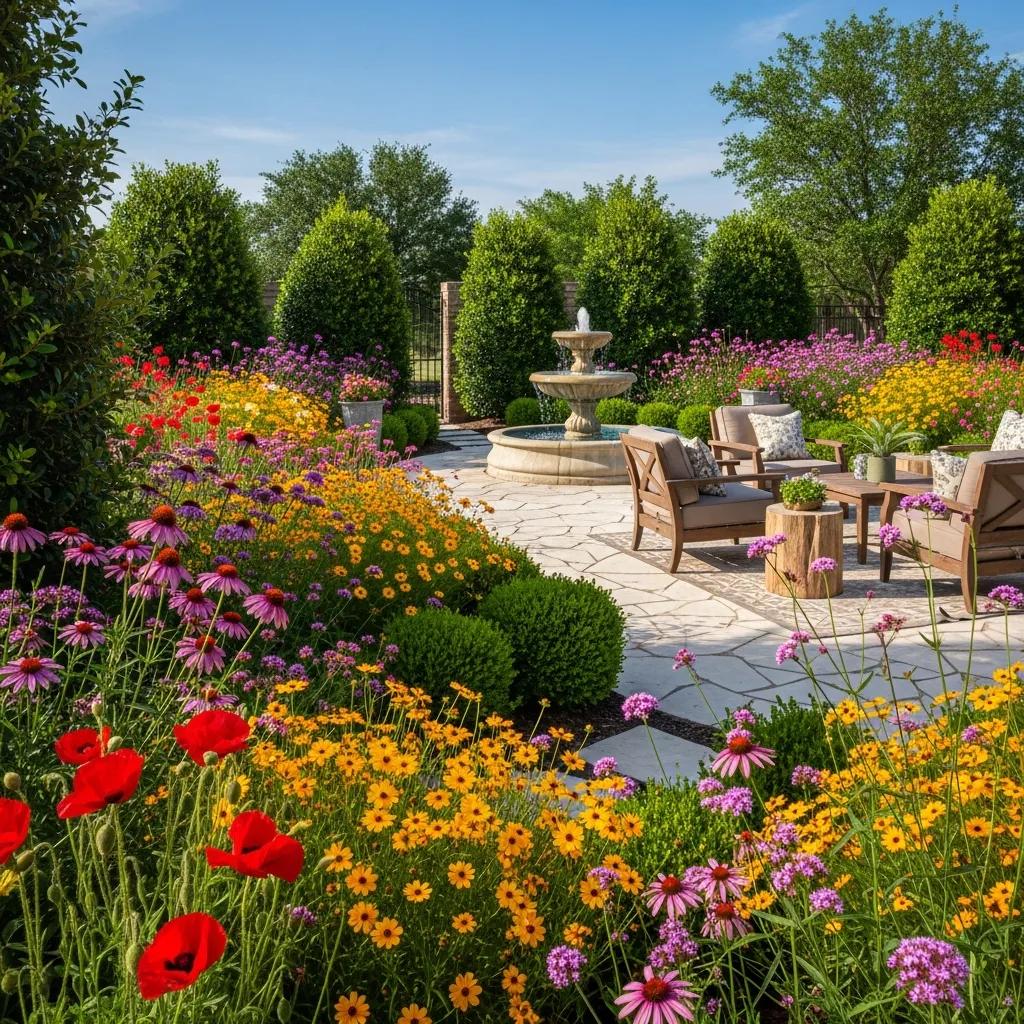
Xeriscaping increases property value and visual appeal by creating attractive, sustainable landscapes that stand out in the neighborhood. Well-designed xeriscaped properties often attract potential buyers who appreciate the environmental benefits and lower maintenance requirements. The use of native plants and thoughtful design elements enhances the overall aesthetic, making xeriscaping a smart investment for homeowners.
Let Us Do It Landscaping LLC specializes in designing and constructing sustainable xeriscape environments for properties around Possum Kingdom Lake. With a focus on professionalism, integrity, and customer satisfaction, our team is dedicated to creating beautiful, water-efficient landscapes that enhance both the environment and your property value. Contact us today to learn more about our xeriscaping services and how we can help you create a sustainable landscape that meets your needs.