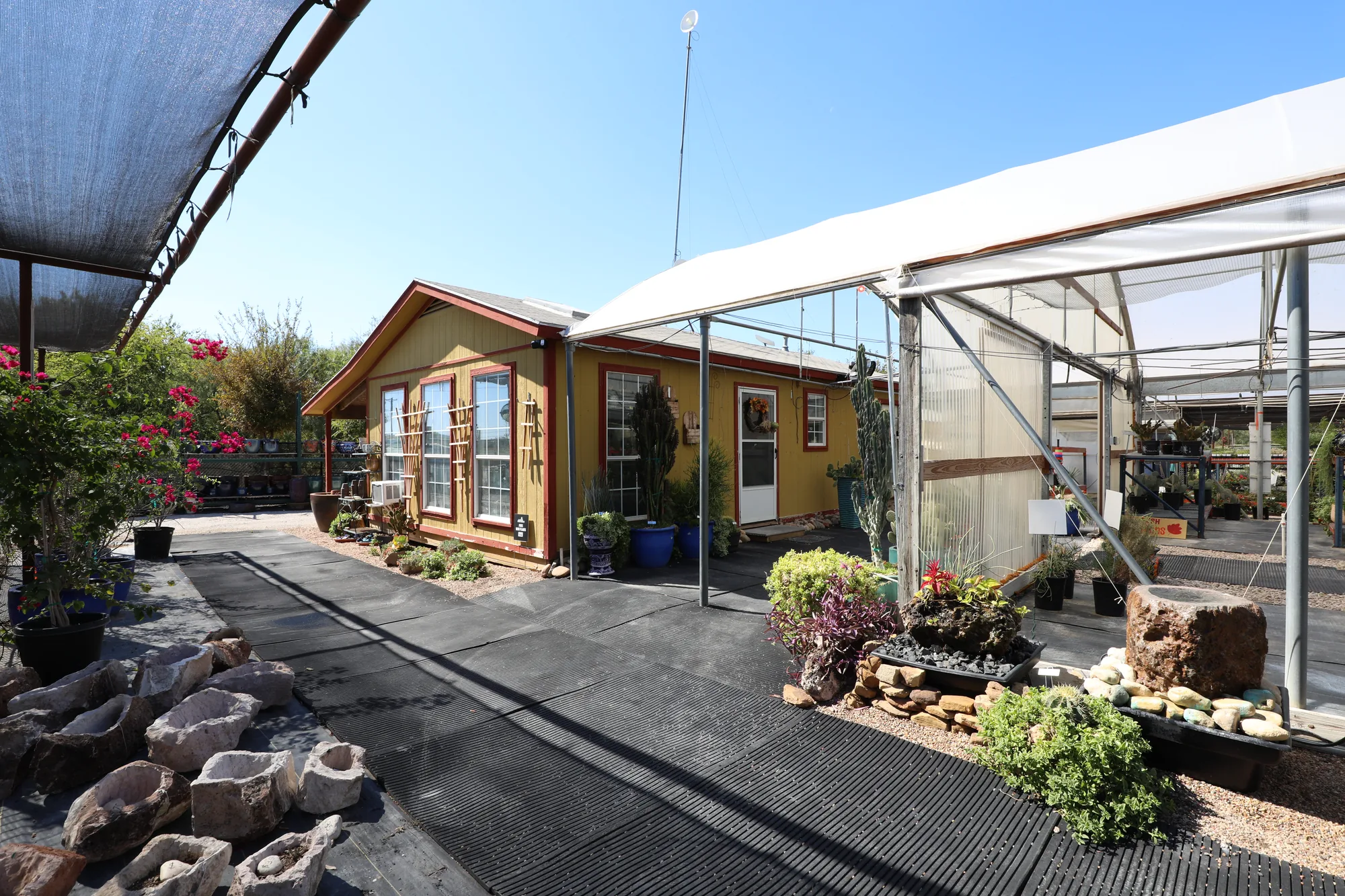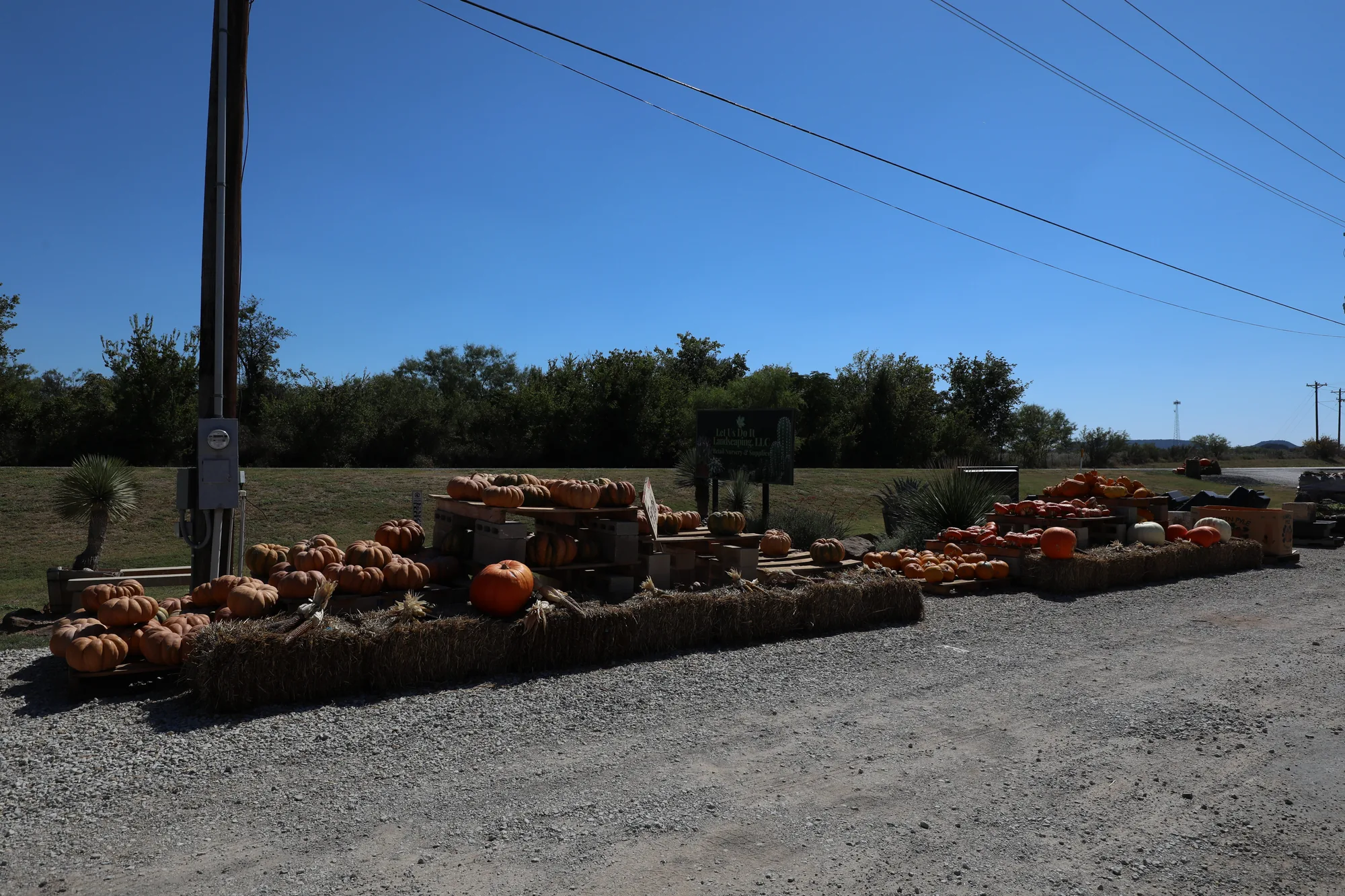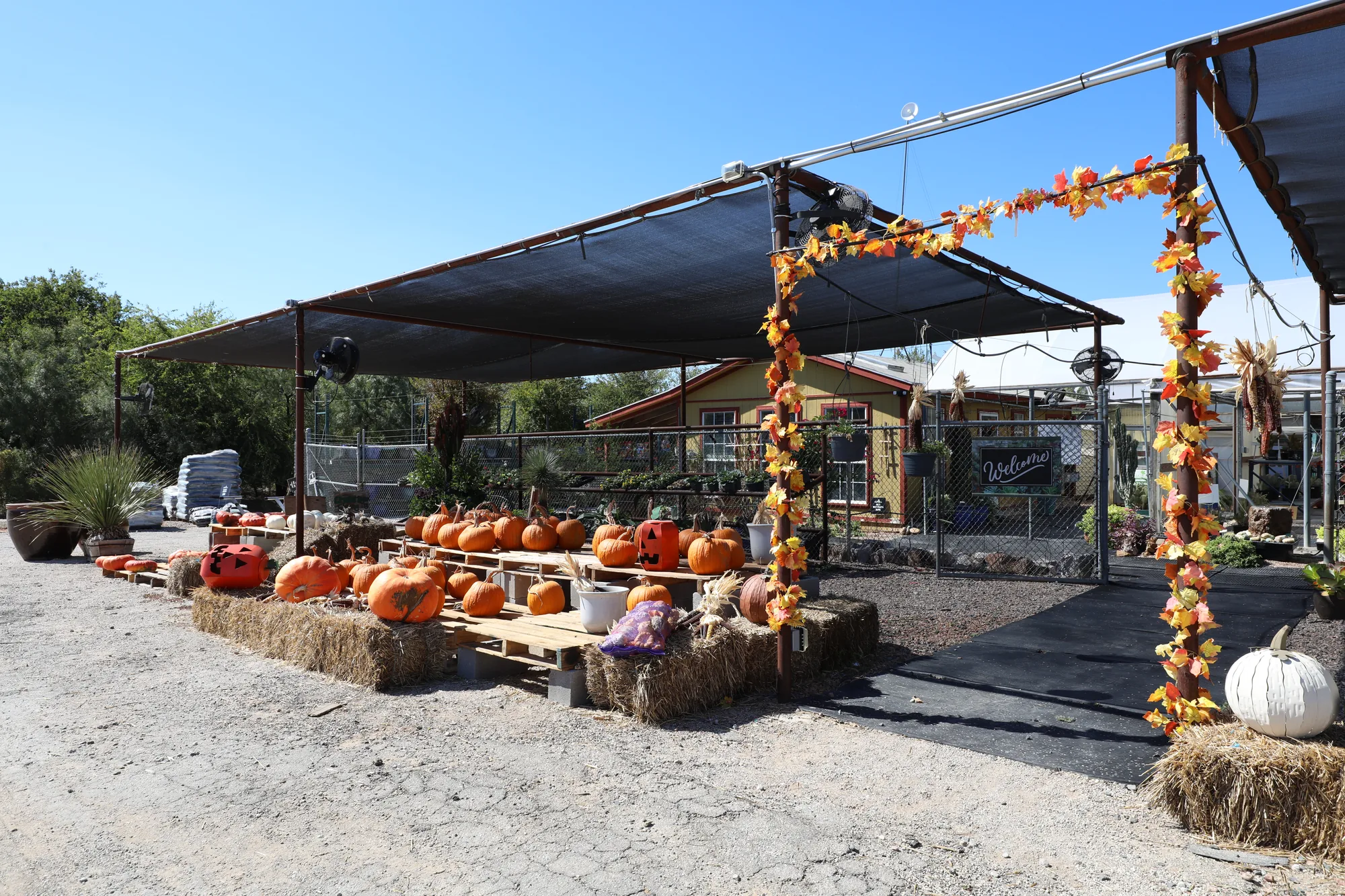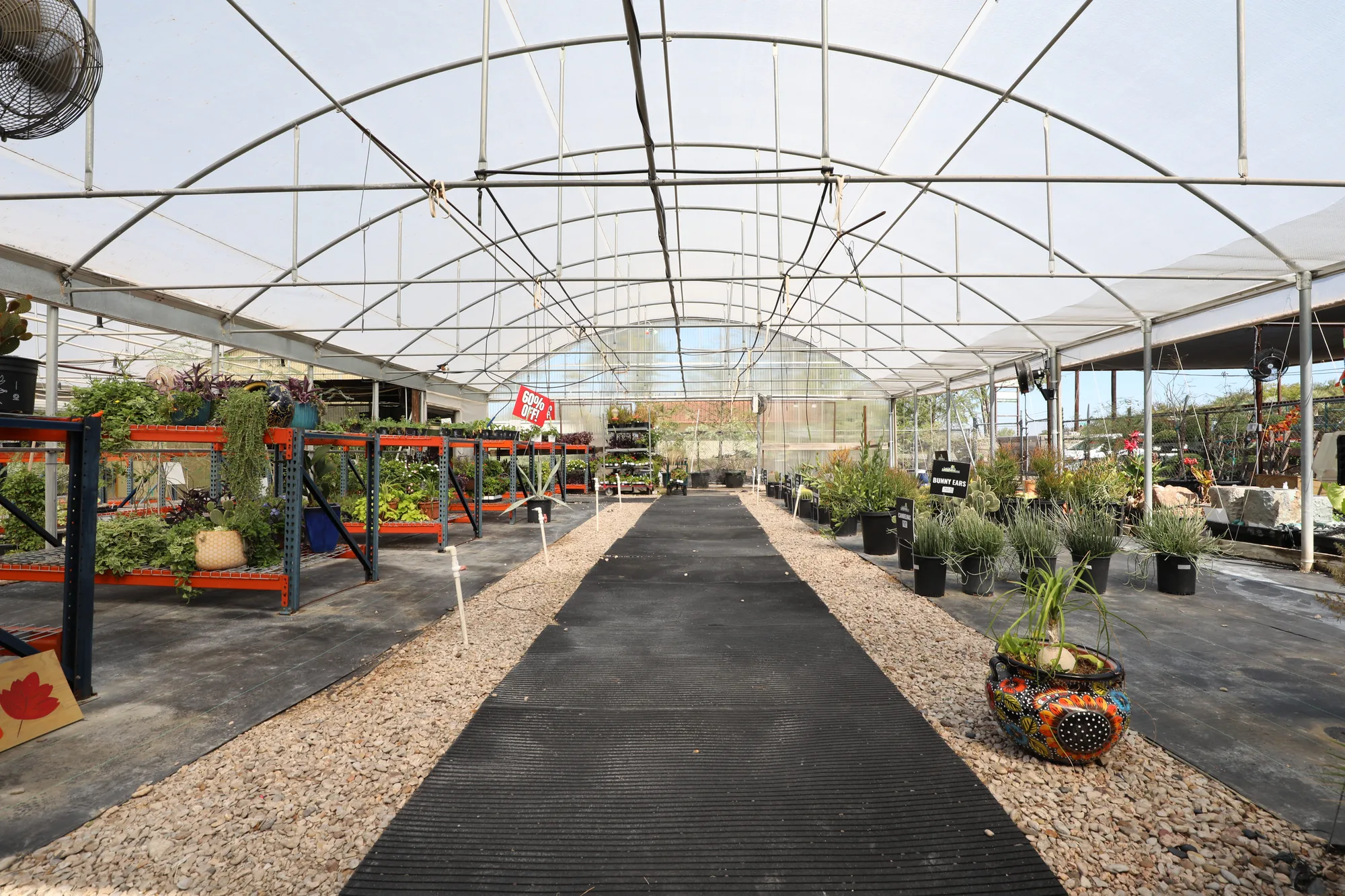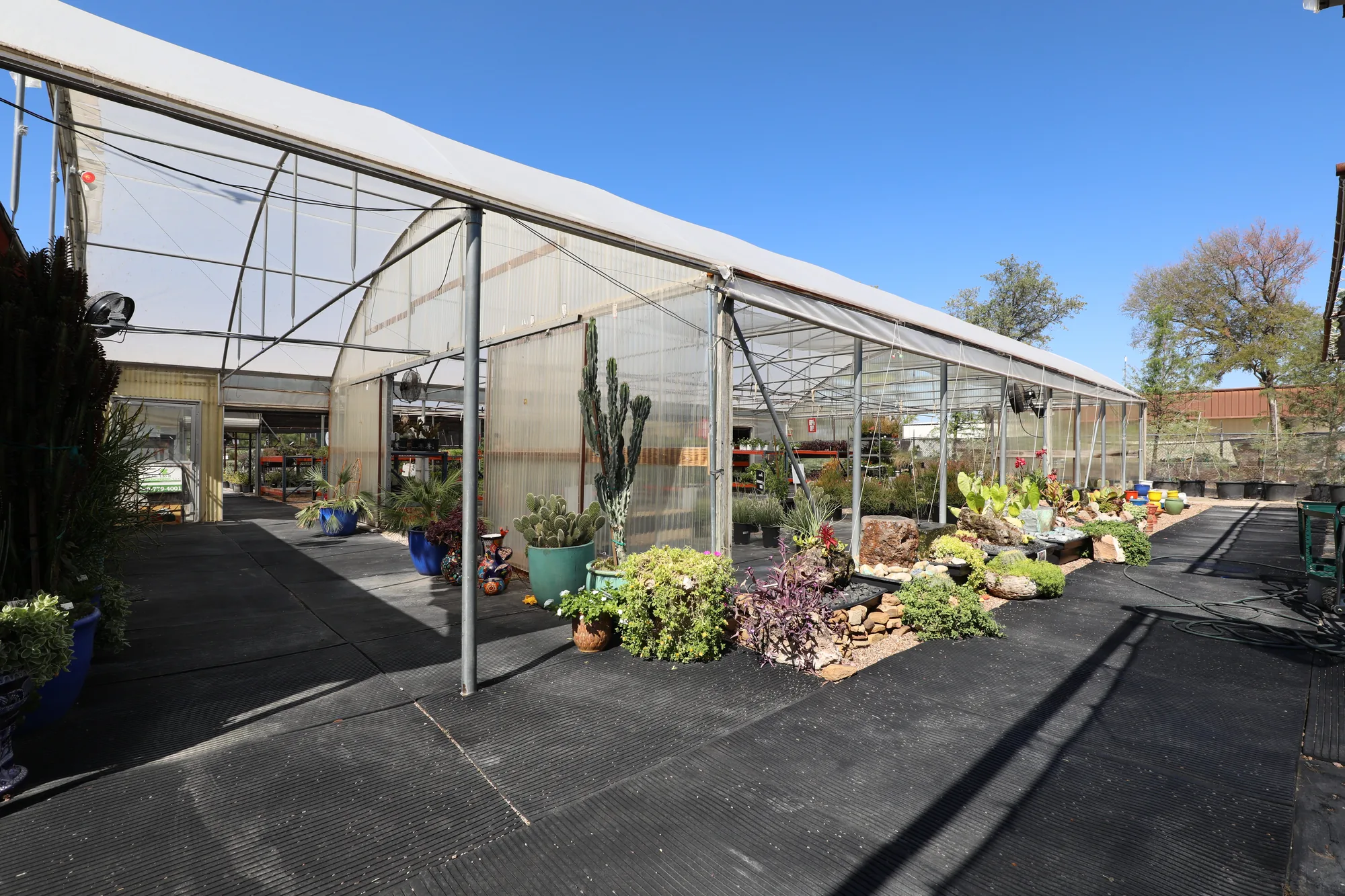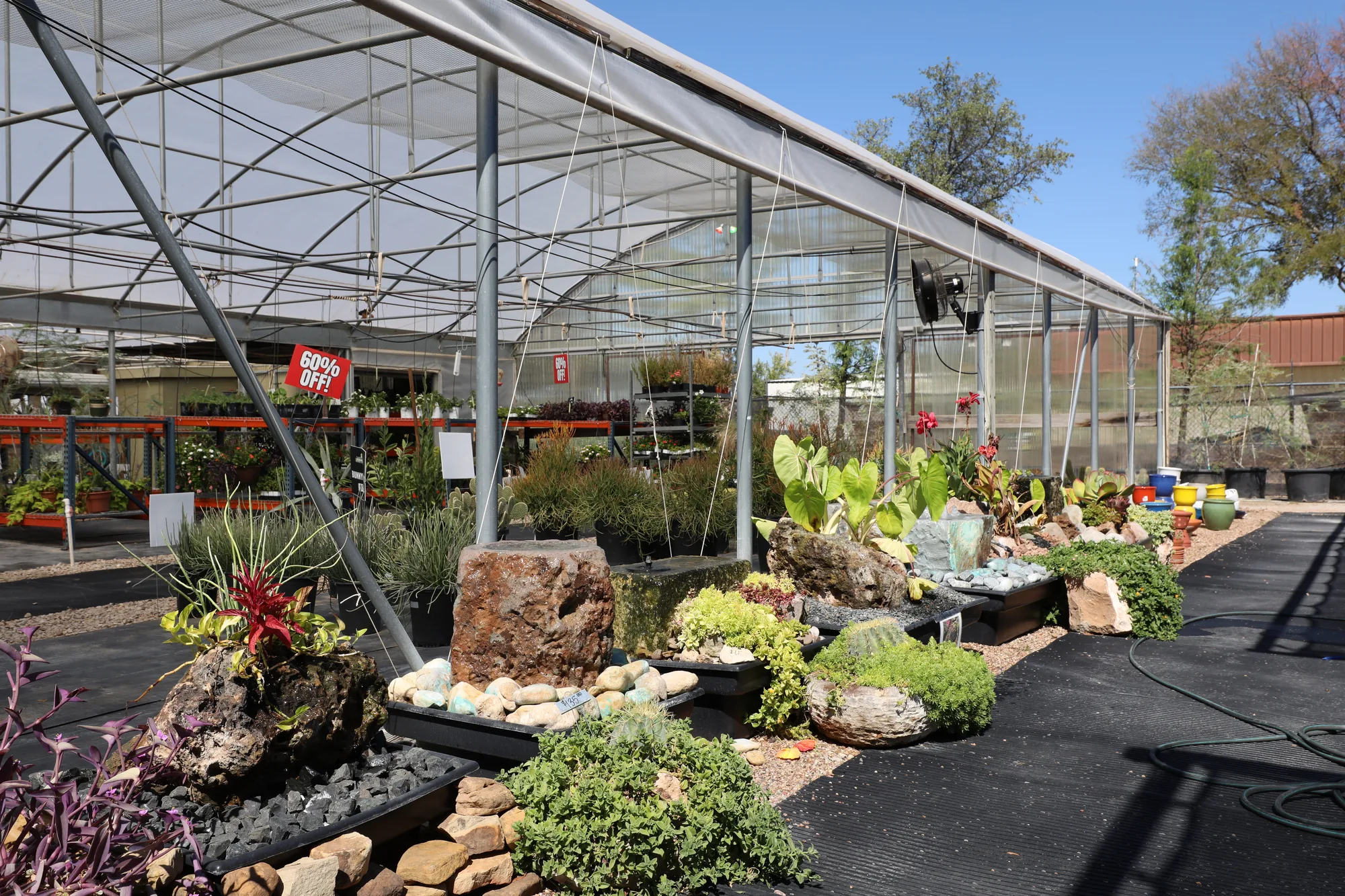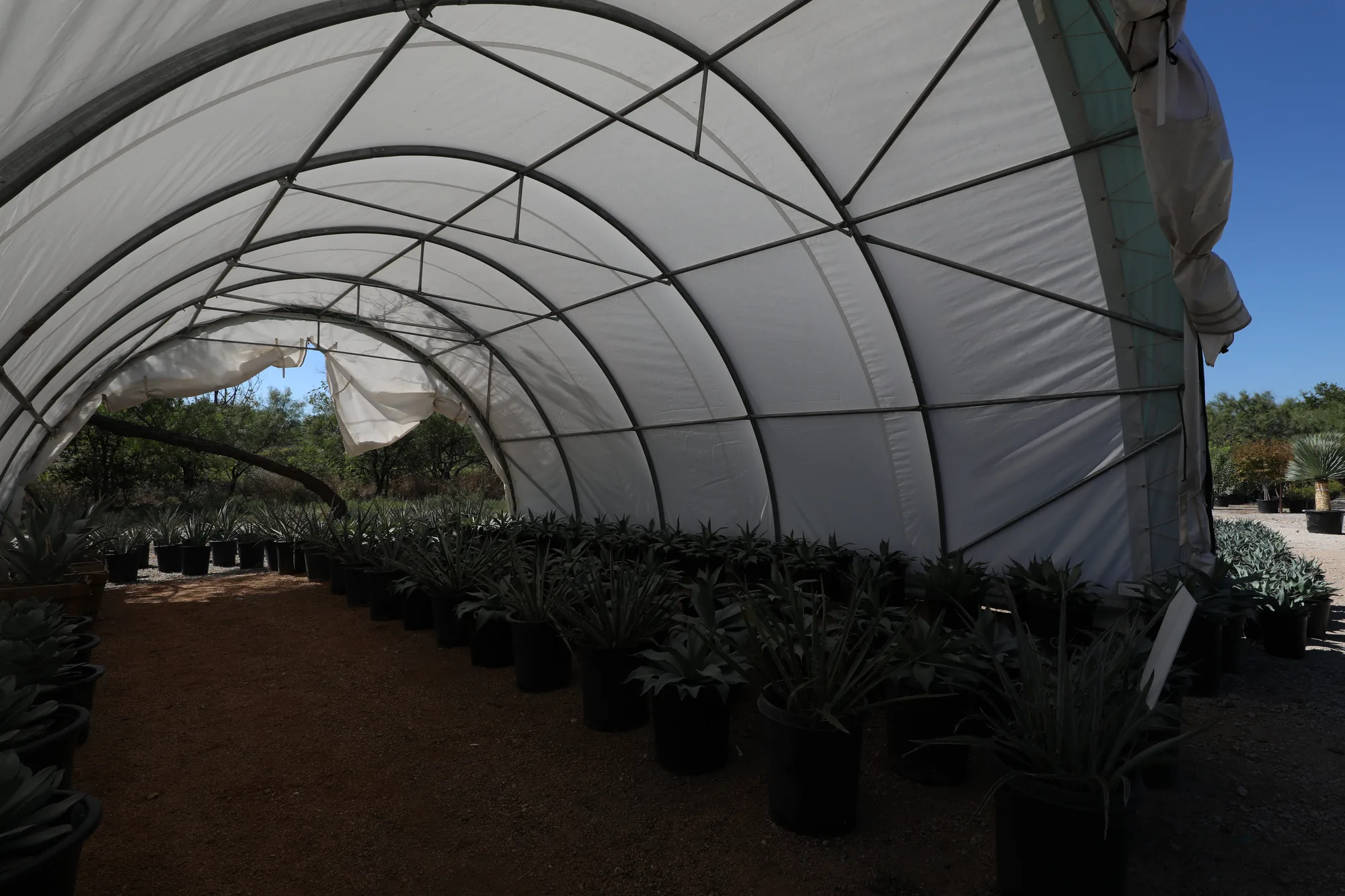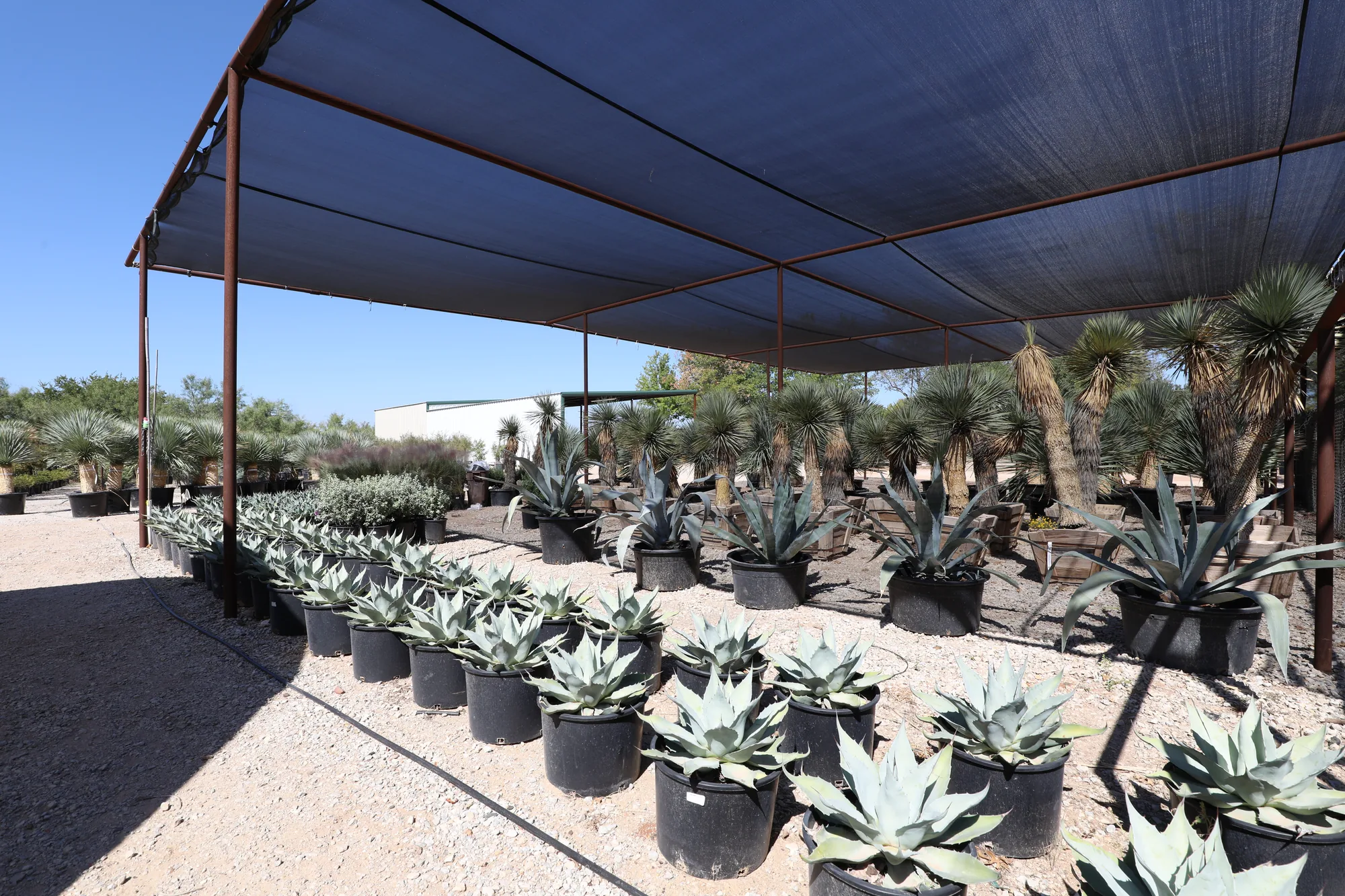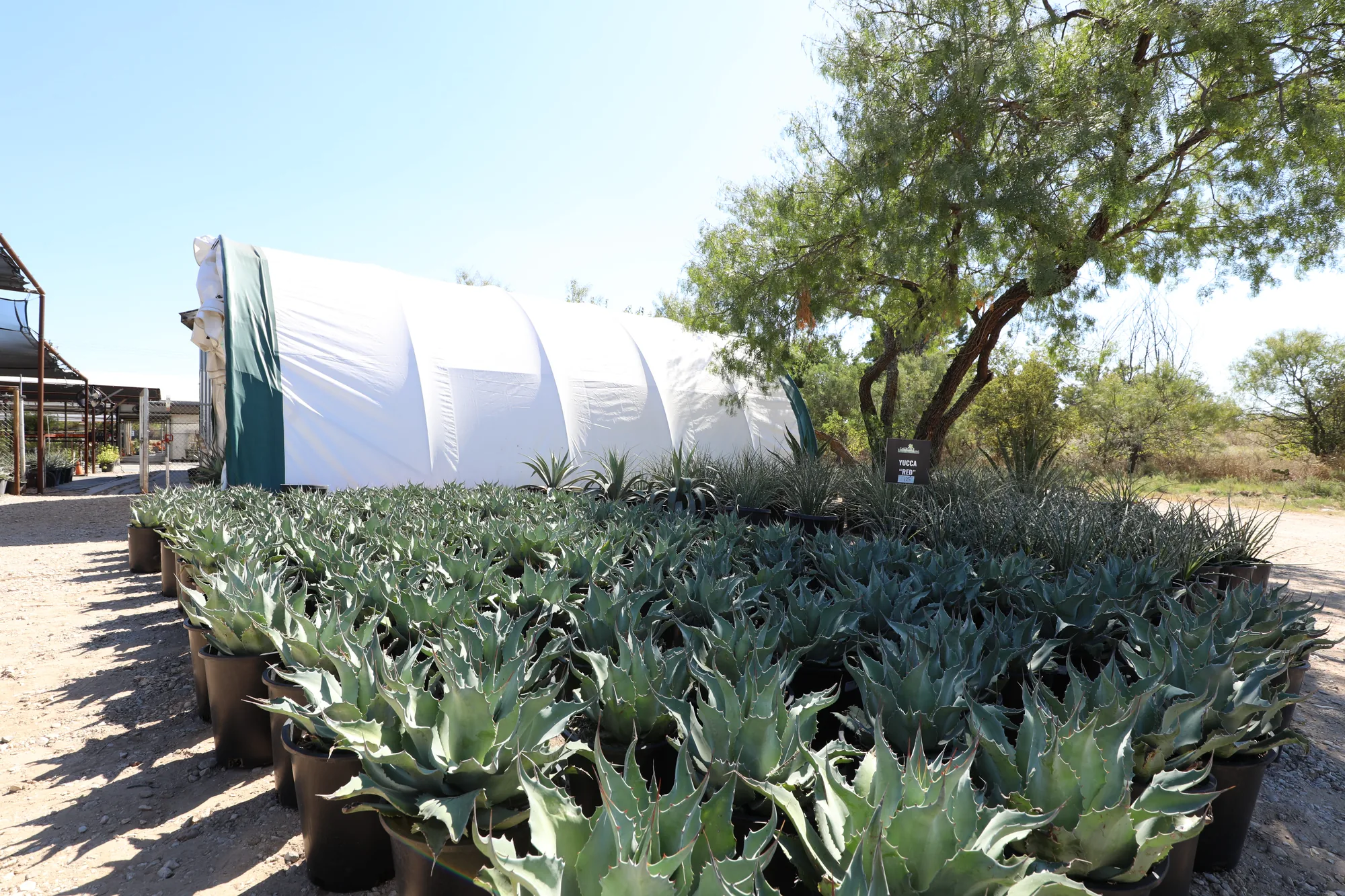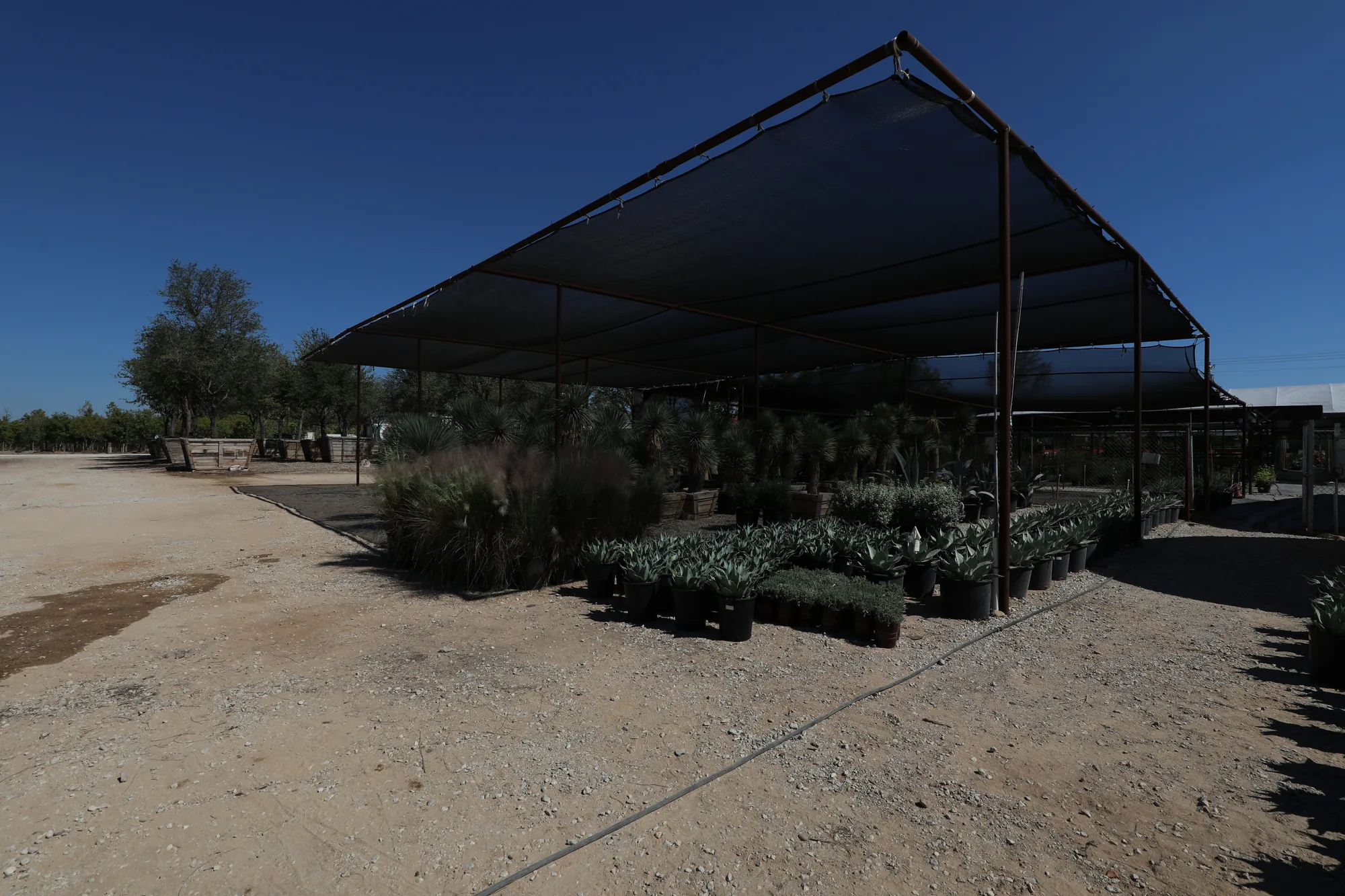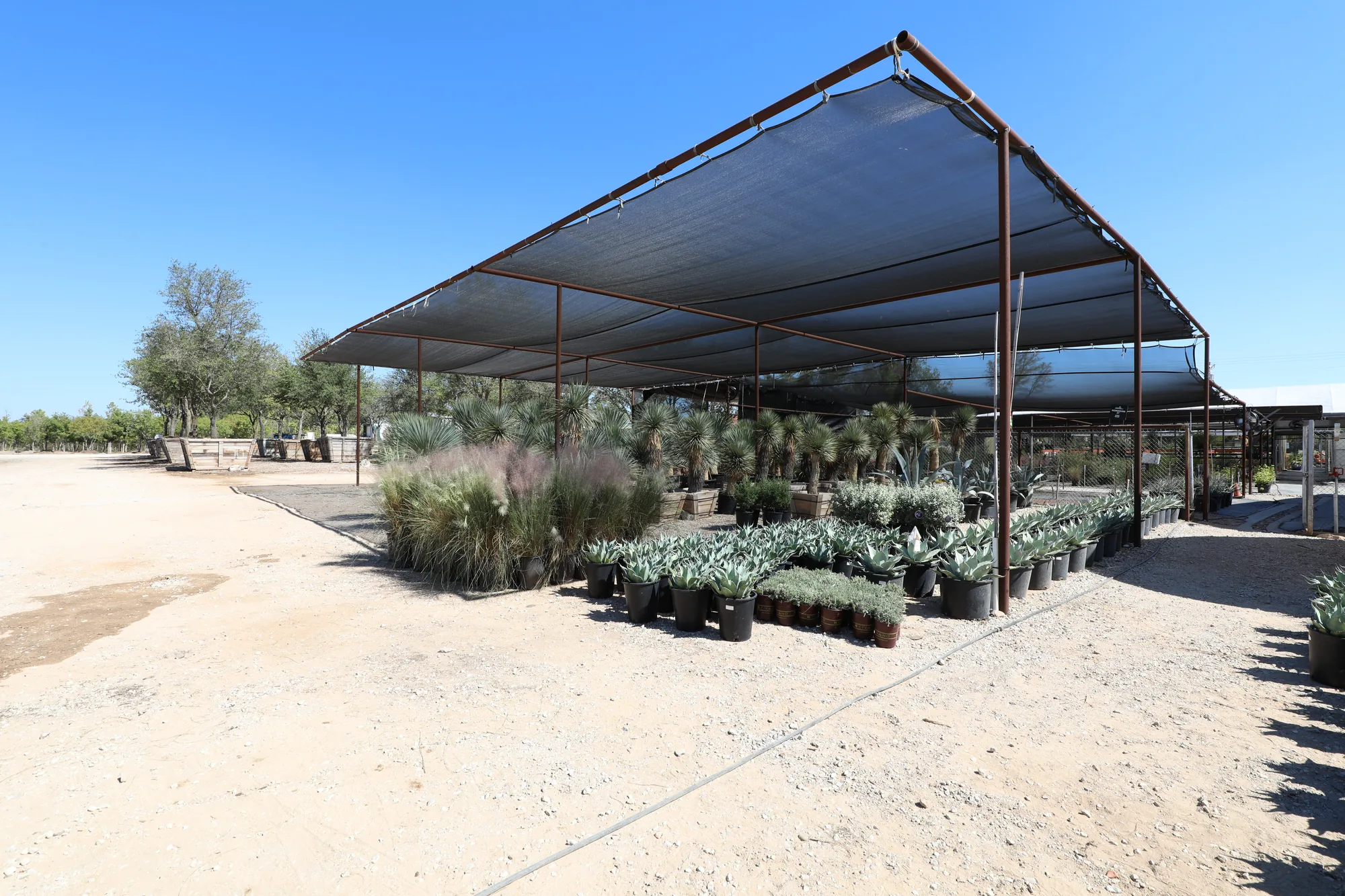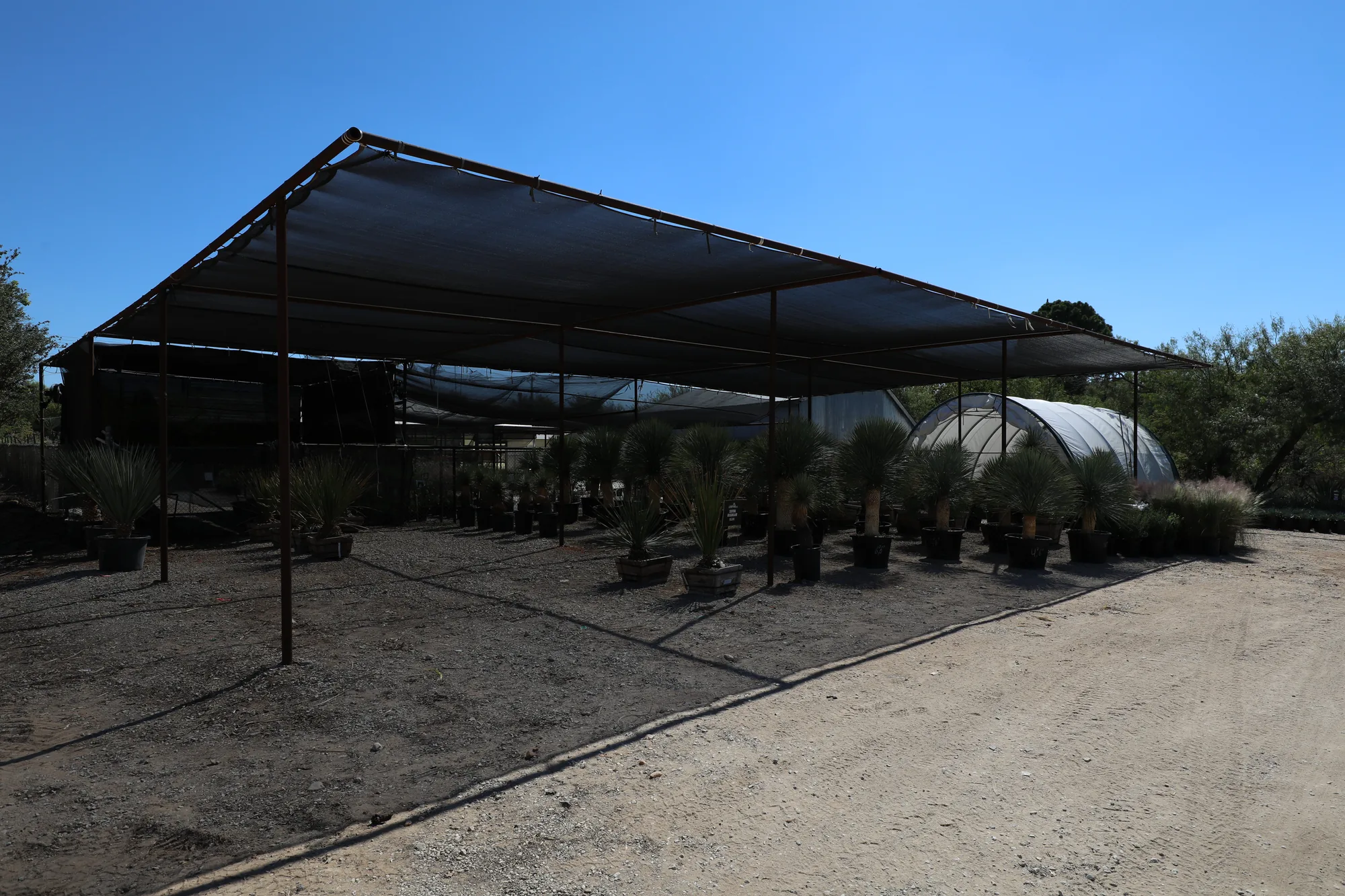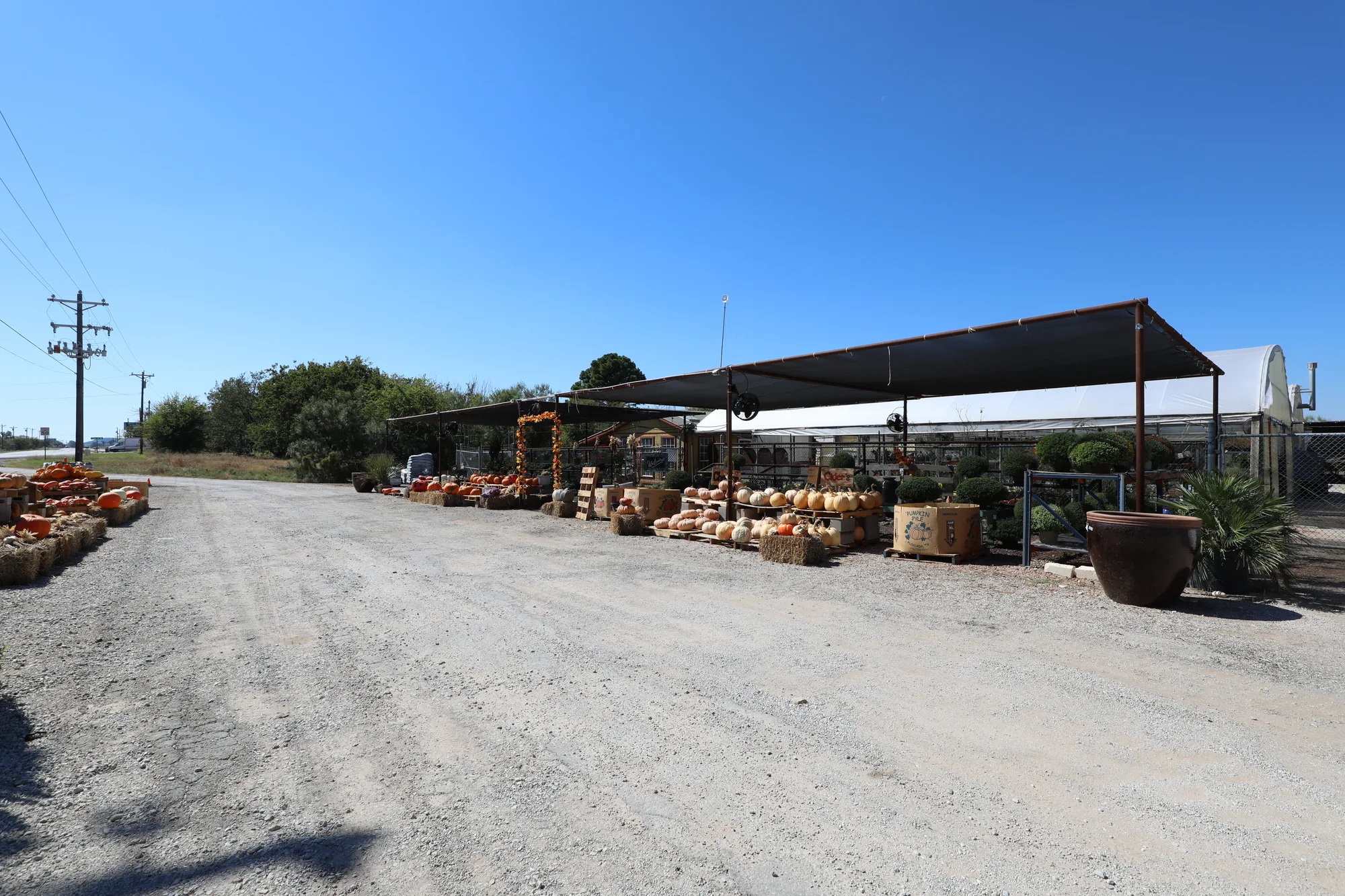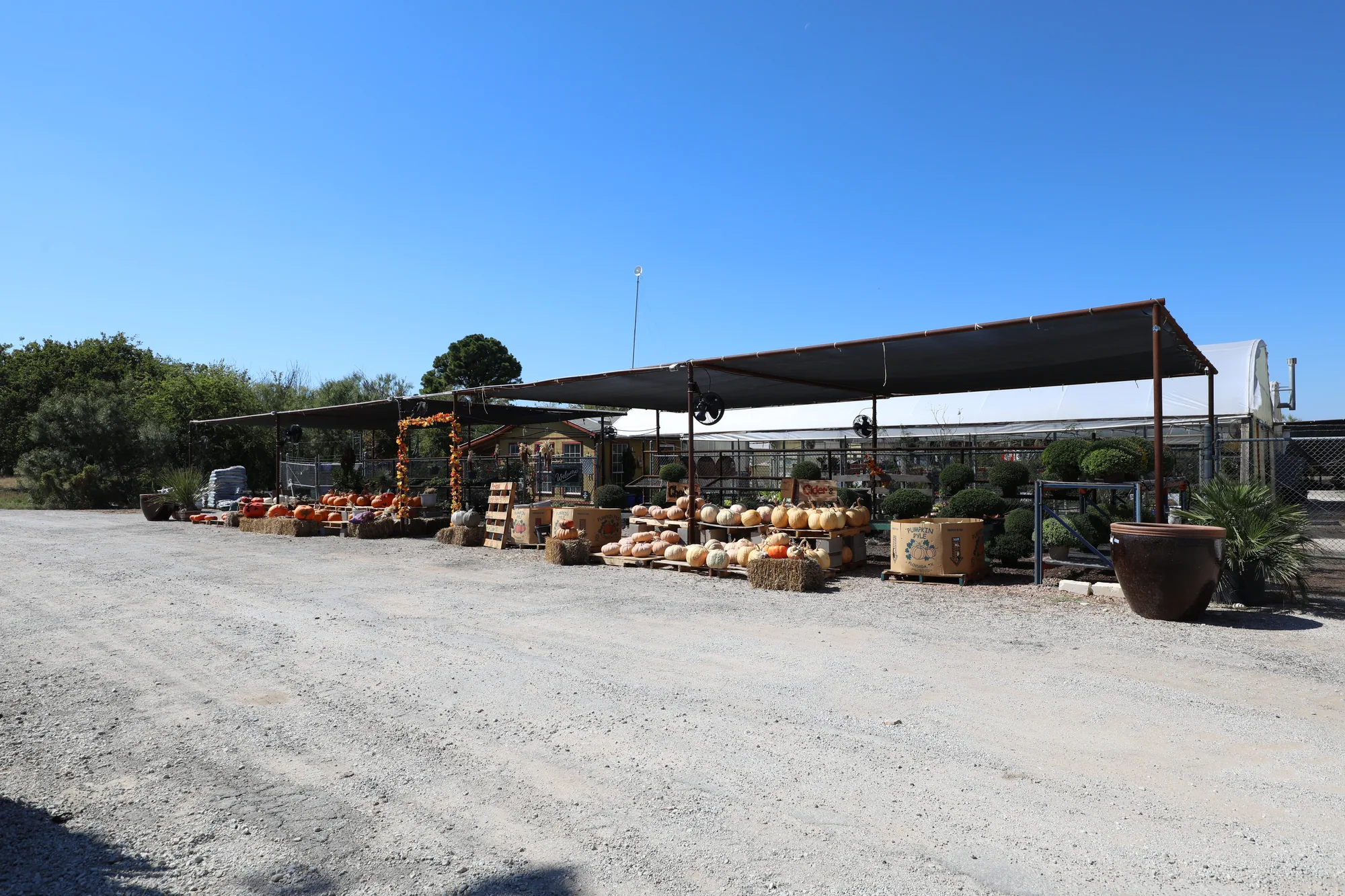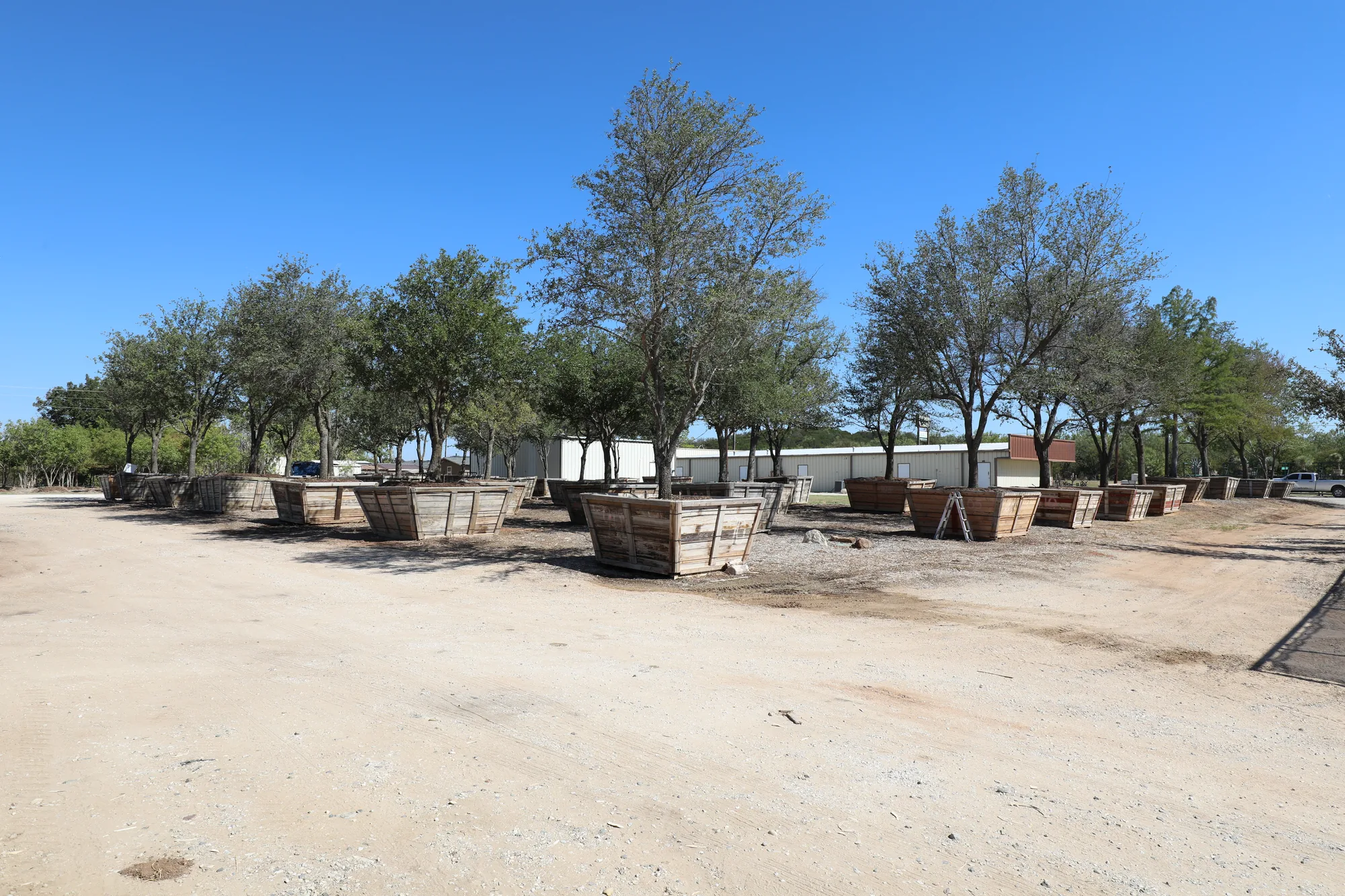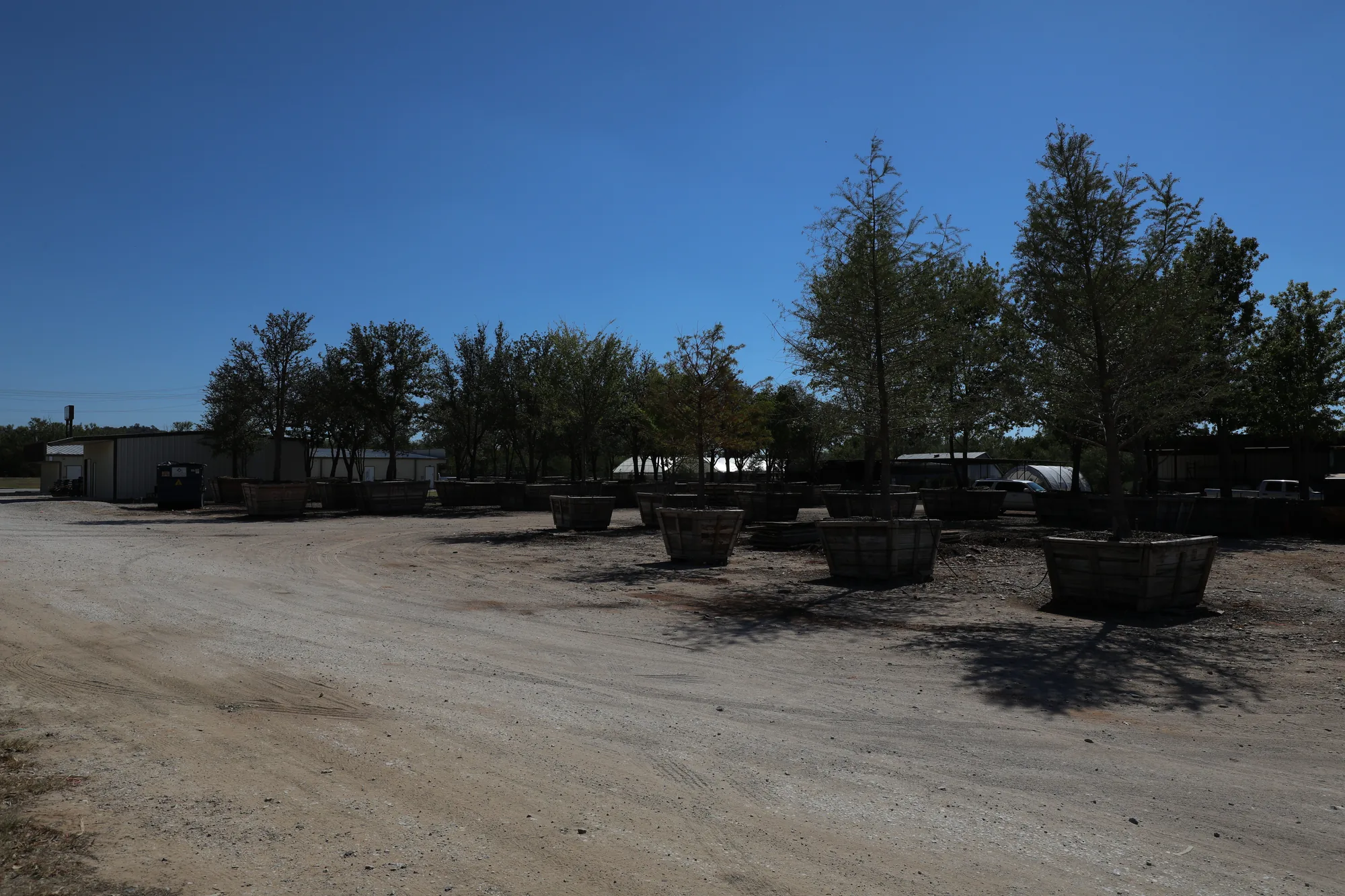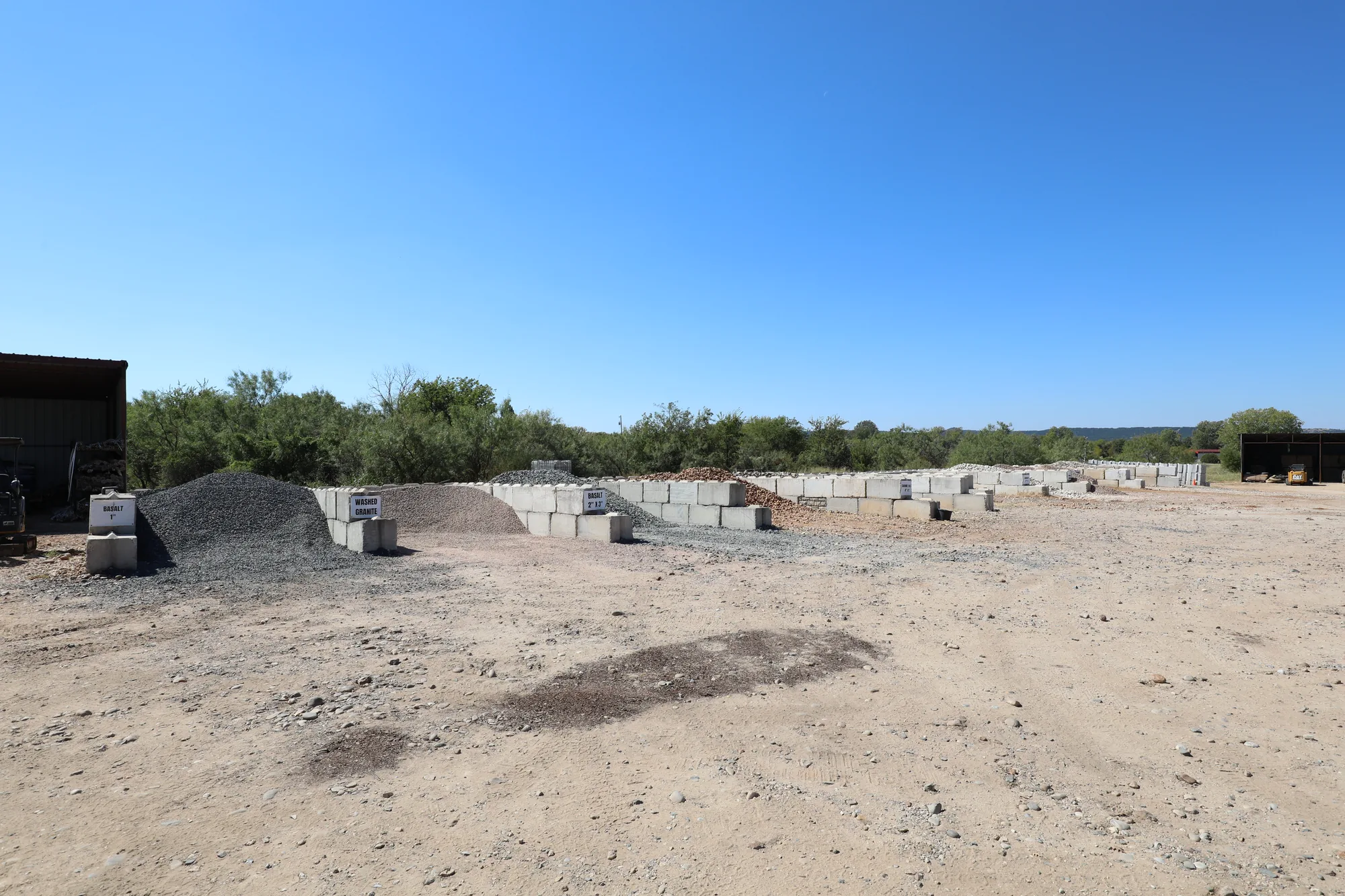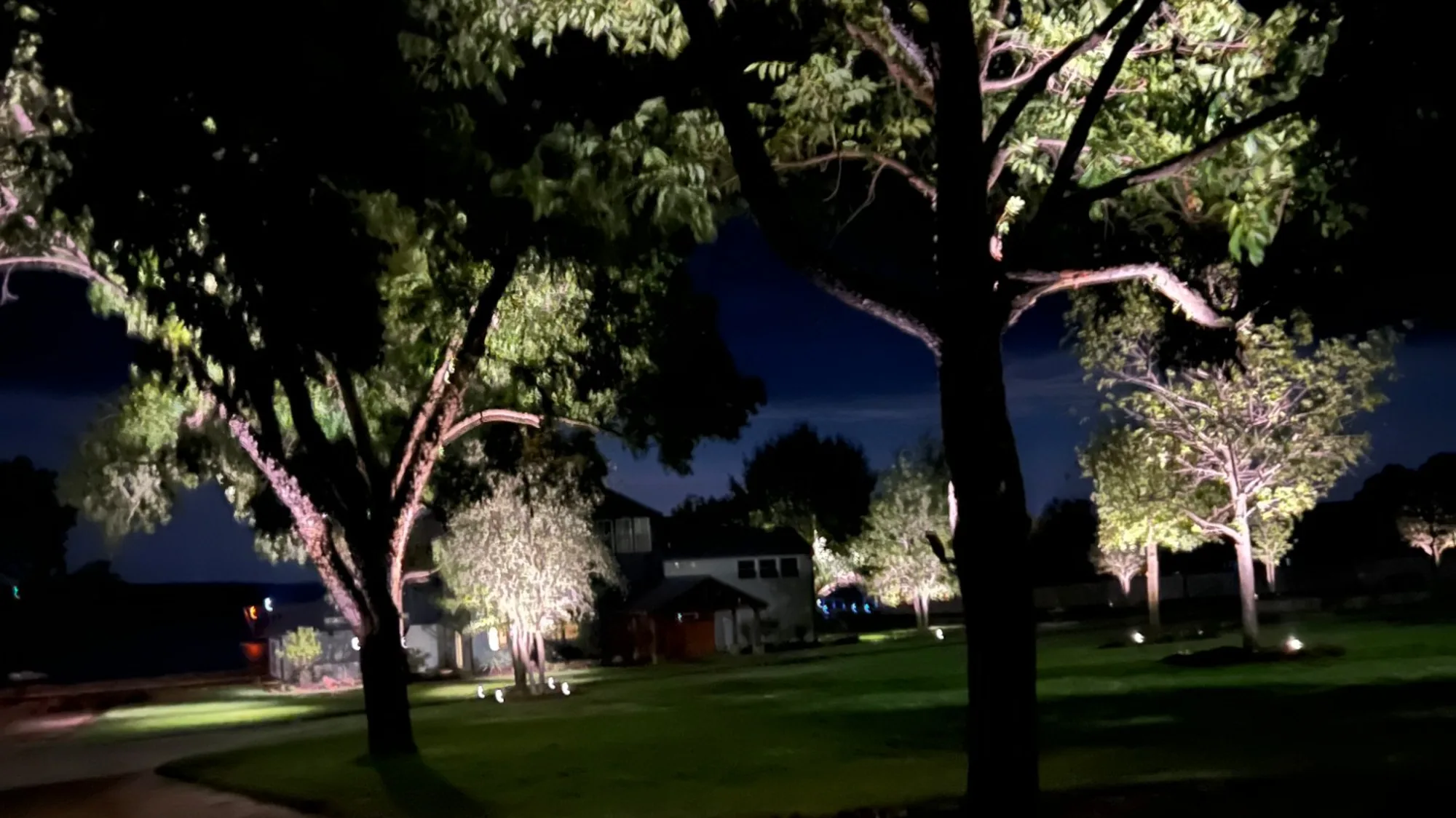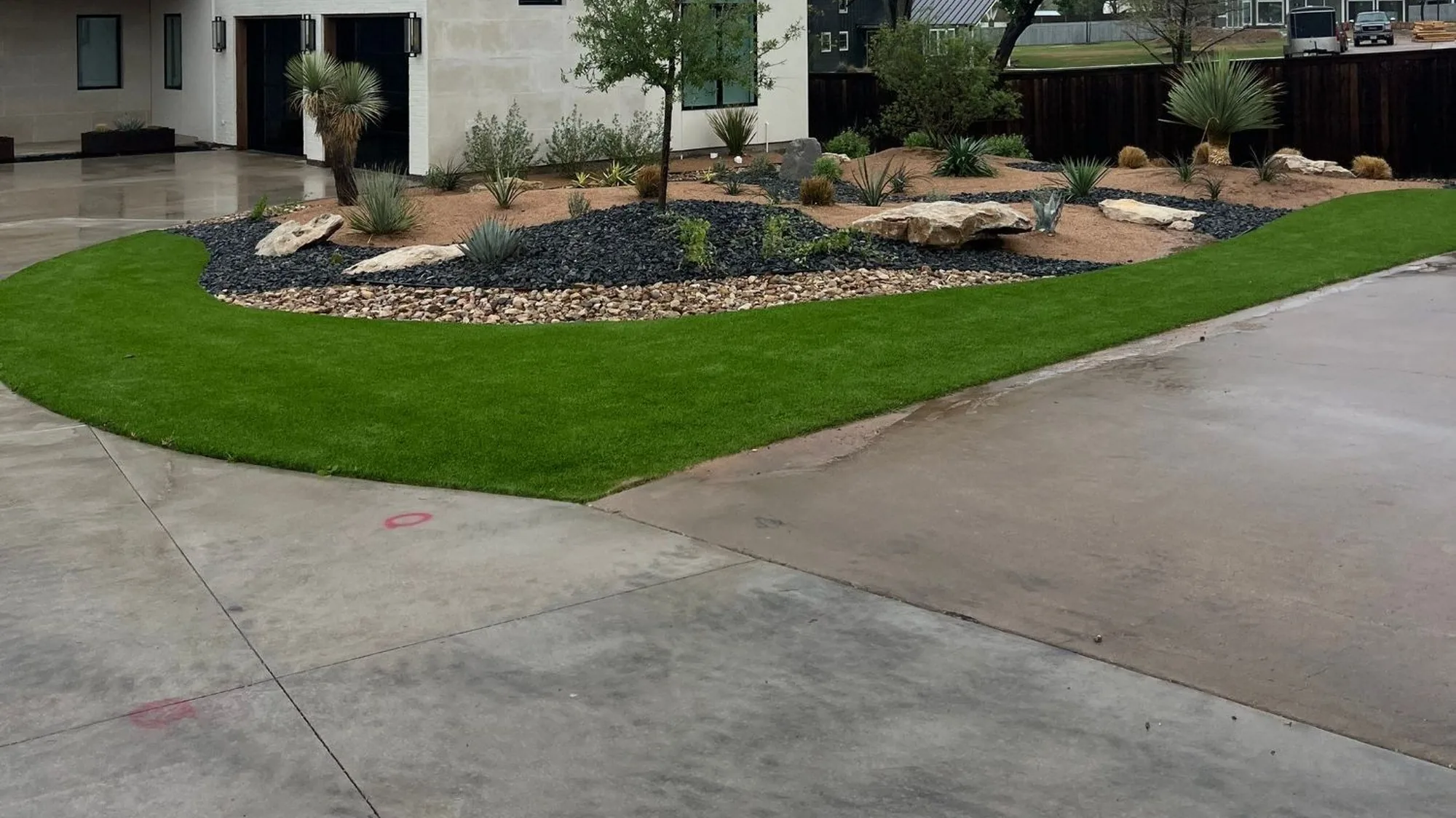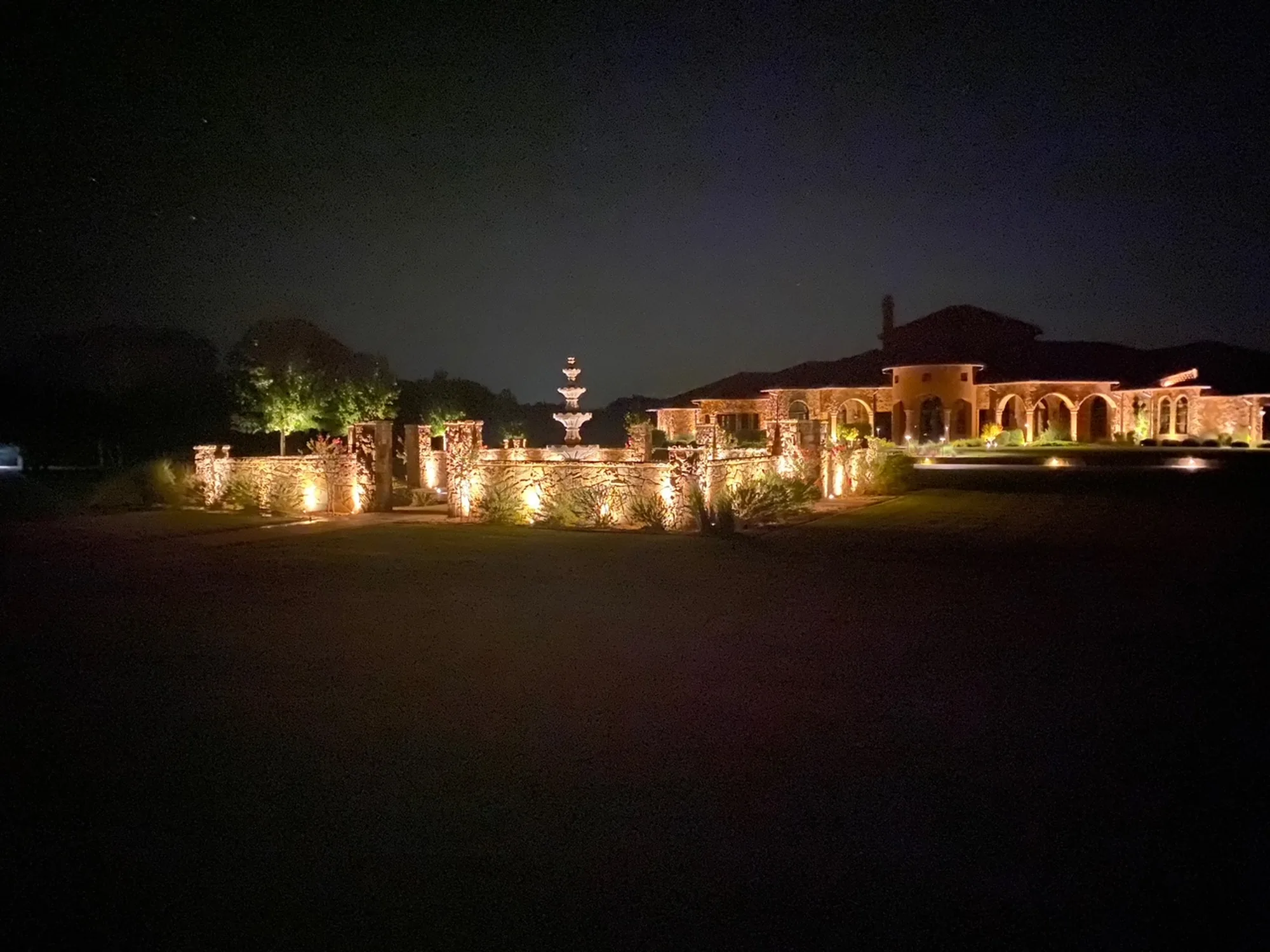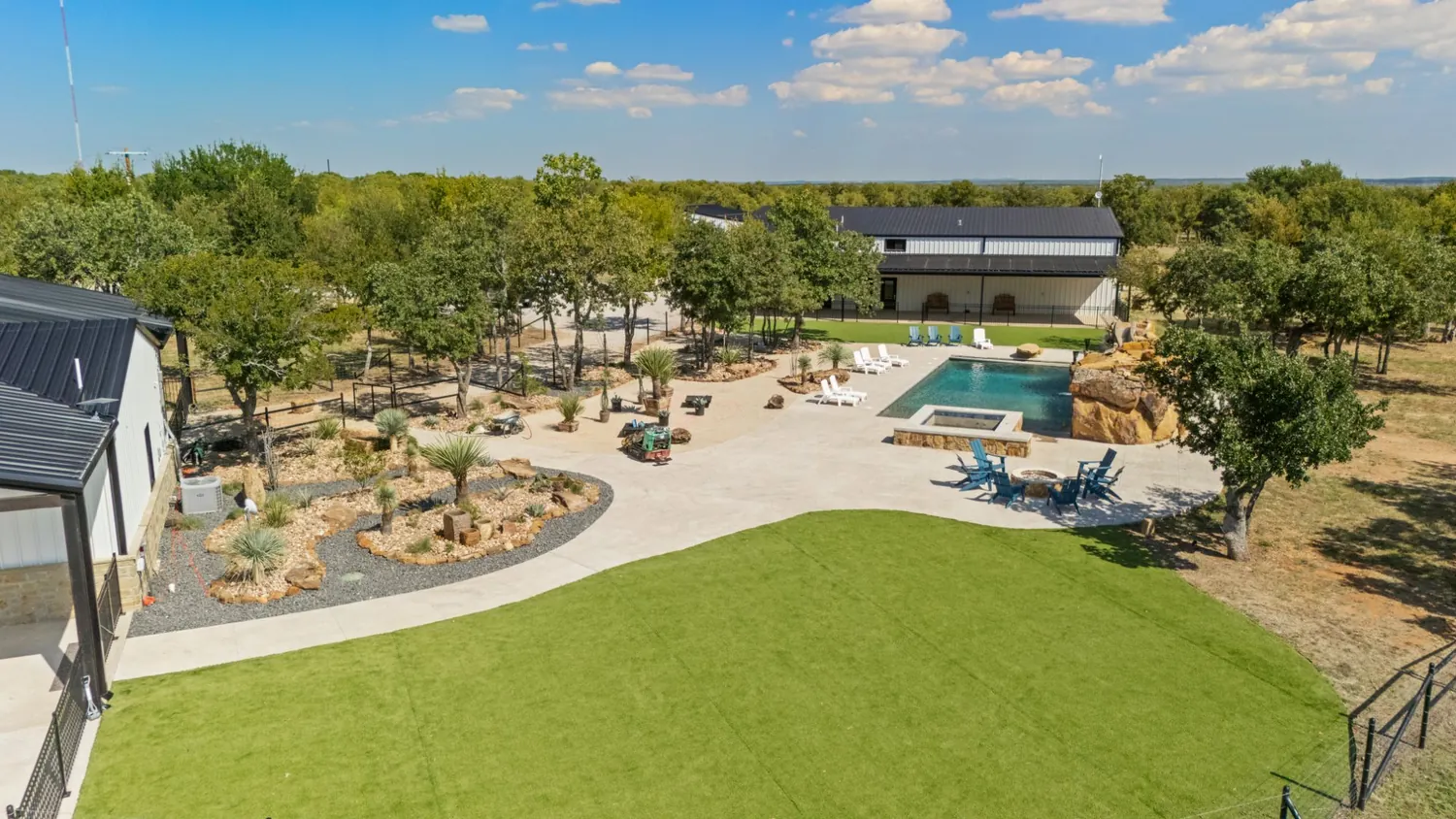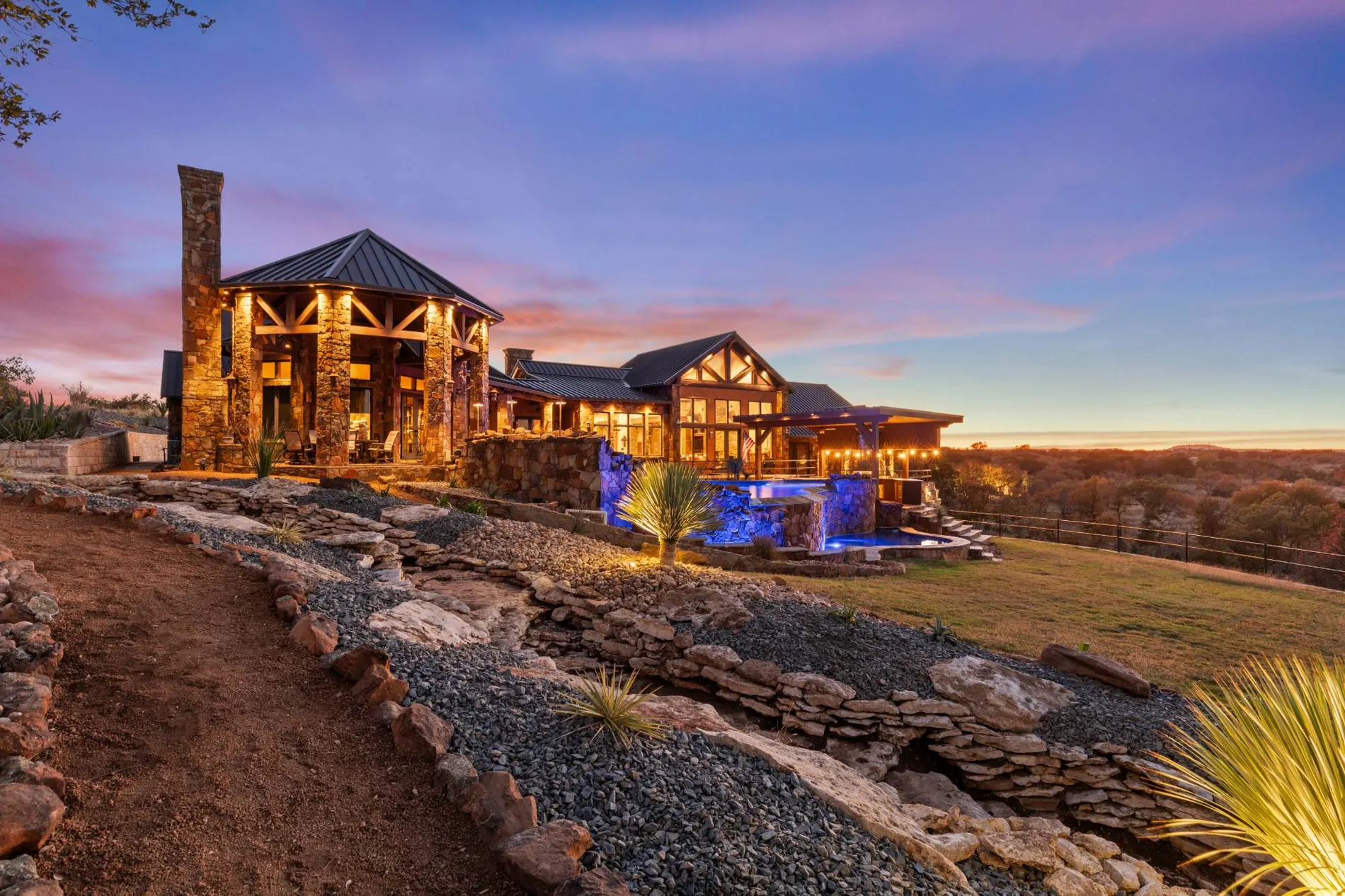
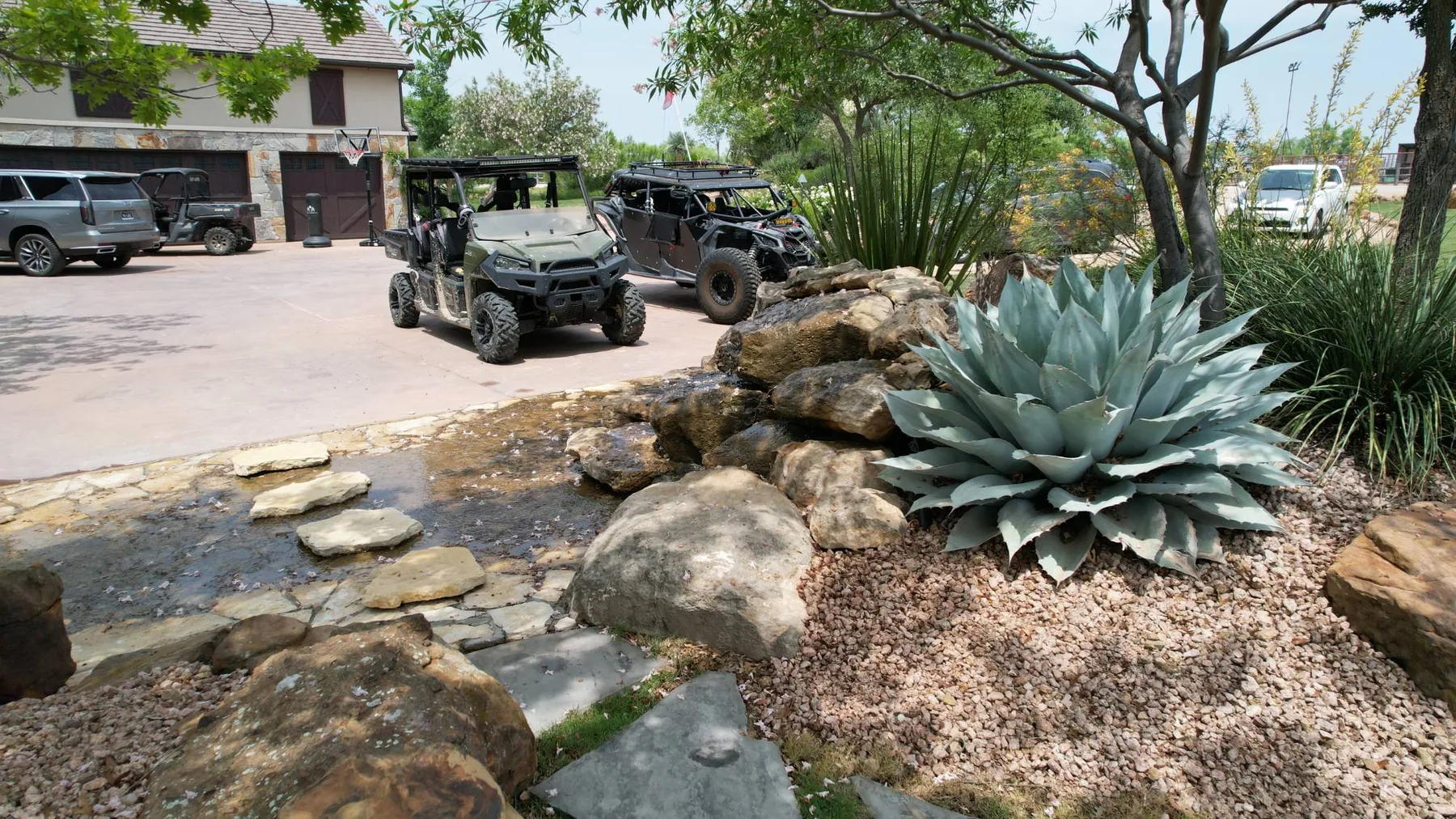
Brazos Native Nursery is our own yard in Graford: large mature specimen trees and Texas-tough natives, held on site and open to contractors and to anyone who wants to pick their own tree instead of taking what a truck brought.
One company, two names
Brazos Native Nursery is the nursery arm of Let Us Do It Landscaping, LLC. Same owners, same crew, two doors apart on the same road in Graford: the yard at 615 FM2353, the landscaping office at 617 FM2353. If you found us searching for the nursery by name, you are in the right place — and the crew that sells you the tree is the crew that plants it.
Why it changes the job
Most landscape companies order trees sight-unseen from a broker and install whatever arrives. You get a caliper and a species, not a tree. Here you walk the rows, tag the specific tree, and that is the tree that goes in the ground — same container, same form, same day if you want it. We plant it too.
It also means material that has already spent a season in Palo Pinto County soil and Palo Pinto County heat. A tree trucked in from the Gulf Coast in July is being asked to survive two shocks at once.
Texas natives establish easily. That is the whole argument.
A native is already adapted to what this ground does — the rainfall pattern, the caliche, the pH, and a summer that will find every weak spot. It goes in with less transplant shock, it needs a shorter establishment watering period, and once it is established it stands on rainfall. That is not a preference. It is the difference between a landscape that is finished and one that needs propping up every August.
Native, and not only native
We stock both. Sometimes the design calls for something that is not from here — a particular form, a bloom, evergreen screening, a specimen for an entrance — and refusing on principle would be dogma rather than horticulture. The honest version is: natives do the heavy lifting, non-natives go where they earn their place, and both are sited so they are not fighting the conditions.
Non-native stock moves with the season, so call the yard for what is on the ground this week.
Every size, up to large mature specimens
Container stock through to large mature trees. That last part is the one most landscape companies cannot do: sourcing a big specimen means holding it, and holding it means a real yard. It is how a new ranch entrance looks established the day it is finished instead of in nine years.
What we hold
Shade and specimen trees
Ten species held at the yard, from alkaline-soil shade trees to heat-built bloomers and formal screening evergreens. Full detail on each — see tree installation.
Live oak
Evergreen and alkaline-tolerant — the specimen shade tree behind most of the ranch entrances we build.
Red oak
The best fall colour available here, held for entrances where the site can give it proper drainage.
Cedar elm
A native that takes clay and caliche without staking — the structural tree on the tougher sites.
Chinese pistache
Fall colour off a tree that reads as an oak all summer; built for heat and poor soil.
Magnolia
Broadleaf evergreen scale and shade for a formal entrance or courtyard.
Cherry laurel
Dense, fast evergreen screening for a property line that needs privacy now.
Chitalpa
Months of bloom through the worst of a Texas summer, no supplemental water once established.
Desert willow
A native flowering tree built for heat, at home on a dry, exposed site.
Italian cypress
Tall, narrow evergreen columns for a formal drive or a screened sightline.
Palm trees
A statement piece for a lake or ranch property, planted where the design wants drama.
Xeriscape and native specimens
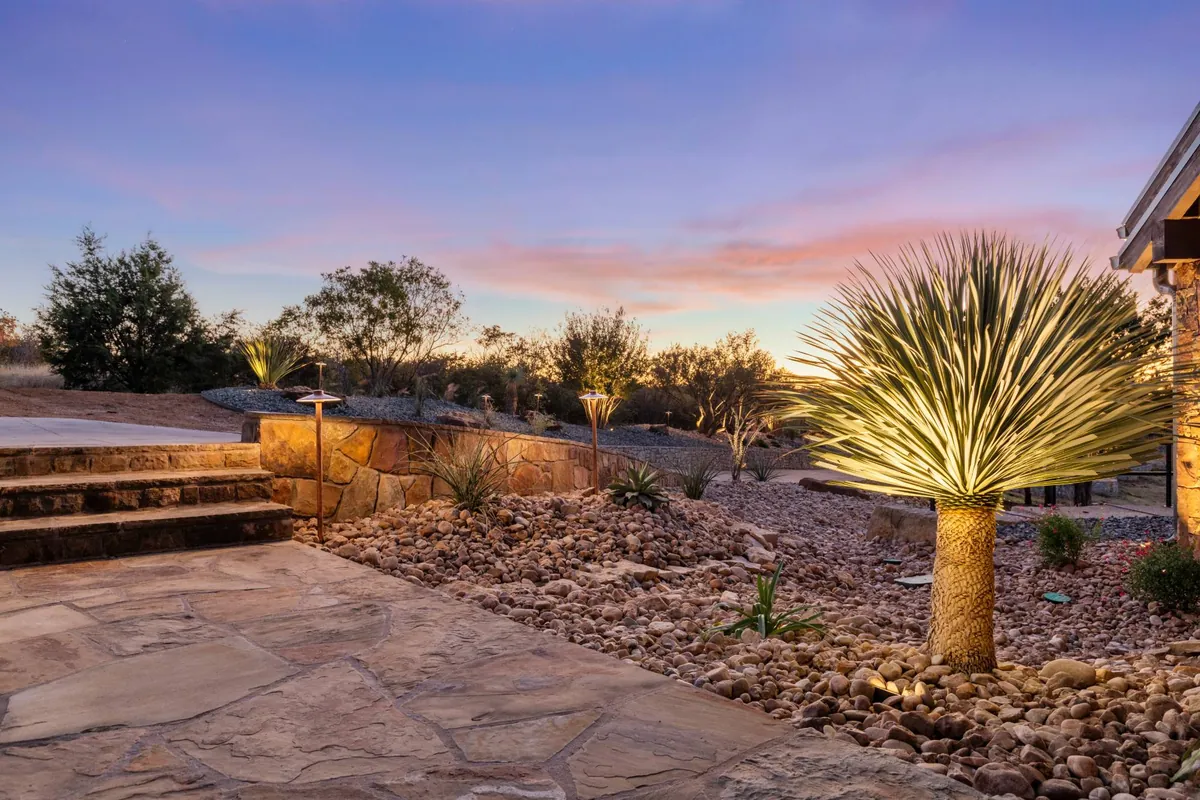
Agave, yucca, sotol, nolina, prickly pear. Texas sage, autumn sage, flame acanthus, blackfoot daisy. The palette that survives a Palo Pinto August without an irrigation bill behind it — see xeriscape design.
Bulk stone and materials
Native building and moss rock, flagstone, boulders, gravel, decomposed granite, soil and mulch. Pick up at the yard or delivered.
Licensed to sell what needs a licence
Texas Pesticide Dealer License #00448906, issued by the Texas Department of Agriculture. Texas requires a dealer licence to distribute restricted-use and state-limited-use product, and we hold one — which is why we can sell you the right chemical for the problem instead of sending you to a big-box shelf for the wrong one. The crew applying it on a job holds a separate applicator licence.
Trade and contractor accounts
Builders, ranch managers and other landscape contractors buy here. Ask about trade pricing and bulk delivery.
Visit the yard
Brazos Native Nursery, 615 FM2353, Graford, TX 76449. Call ahead for large specimens, non-native stock and bulk orders: (940) 779-4001.
Seasonal hours vary — call or message to confirm availability.